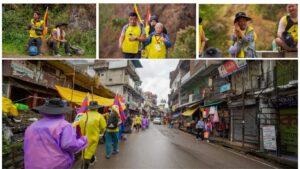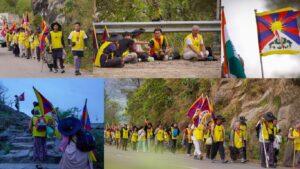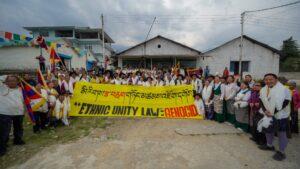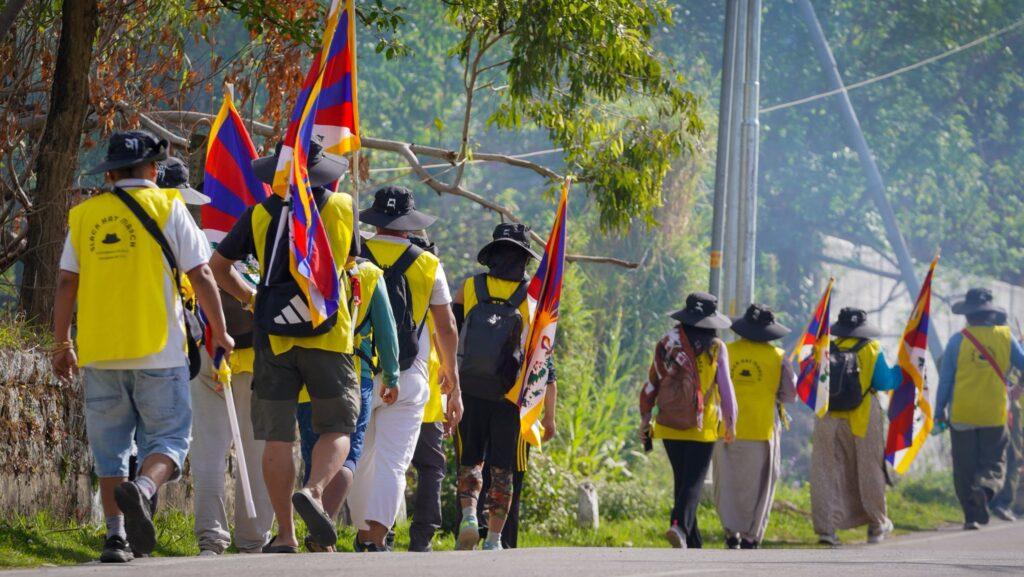
Black Hat March | Day 5: From Bir to Padhar

The fifth day of the Black Hat March commenced at 5:00 AM with prayers, followed by a briefing from the organizing committee on the day’s planned activities.

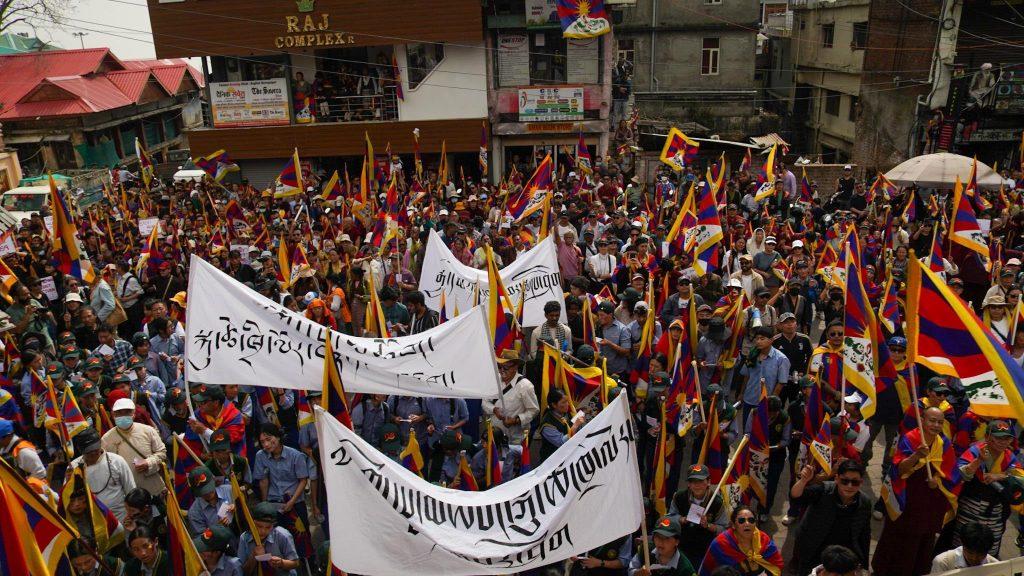
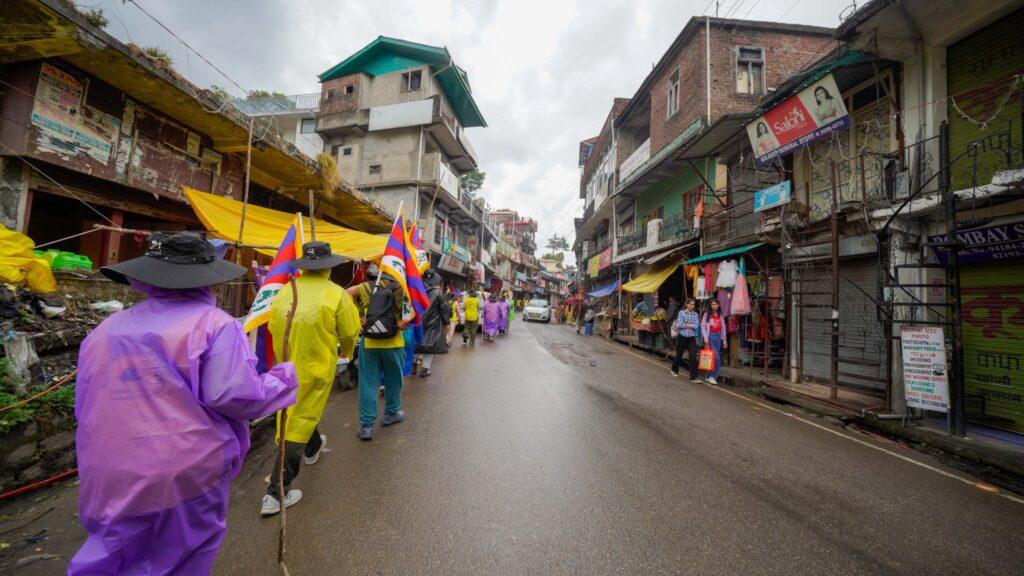
Although there were no Tibetan settlements along the route, the marchers felt a strong sense of support from well-wishers between Bir and Padhar as they continued their journey through Himachal Pradesh.

On the way to Padhar, the marchers had the opportunity to interact with members of the press and media. This engagement was made possible with the support of former Deputy Speaker Kungo Acharya Yeshi Phuntsok, Shri Raj Thakur (ITFS member and businessman), and RTYC Chauntra President Sonam Yougyal.

One powerful reflection from a second-generation marcher deeply resonated with all:

“Why did I join the Black Hat March? Because I am concerned that if we do not continue to struggle for our cause, the new generation may forget our nation’s cause. That is why I joined this campaign, and my children will join in the future. This has become an example for them — a moment of pride.”

Despite facing a thunderstorm and heavy rain, the marchers’ spirits remained unshaken. The day’s journey concluded successfully upon reaching Padhar, marking another determined step forward in the movement.

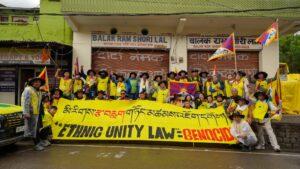
Black Hat March | Day 4: From Tashijong to Bir

Day 4 of the Black Hat March began early at 5:00 AM with prayer meetings, followed by a briefing from the organizing committee outlining the day’s activities.
At around 9:30 AM, the marchers were warmly welcomed at the Ghatta Kangra–Mandi border by representatives of the Bir Local Assembly, the Bir Tibetan Settlement Officer, the Chauntra Tibetan Settlement Officer, RTYC Bir, RTYC Chauntra, and Chauntra Zabsang Choekharling Monastery. Special thanks are extended to RTYC Chauntra President, Mr. Yougyal la, for arranging a press meeting for the Black Hat March.

On the way to Bir, Namlang Resort generously hosted tea for all the marchers. Along the route, members of the Tibetan community from Dergey greeted the marchers with heartfelt warmth at Bir market.

By 1:30 PM, the marchers reached the Bir Tibetan Settlement, where a large gathering warmly received them. The President of the Tibetan Youth Congress addressed the community, stating “We are responding to the Chinese Communist Party that we will continue our struggle to reclaim our country — even if it takes generations.”

Notably, the marchers reached their destination faster than in the previous three days, driven by the strength of their shared purpose. Every step felt lighter with hearts united in one goal — a Free Tibet.

The day concluded with dinner hosted by RTYC Bir, ending on a note of hope and determination that freedom is not far away.


The Tibetan Youth Congress extends heartfelt gratitude to the Bir Tibetan Settlement, RTYC Bir, and RTYC Chauntra for their generous support in providing accommodation and dinner. Special thanks are also due to the Regional Tibetan Health Dispensary for donating medical kits, and to the TCV Suja students for offering relaxing massages to the marchers. Sincere appreciation is extended to Namlang Resort and the Tibetan community of Bir for their kind donations and unwavering support.

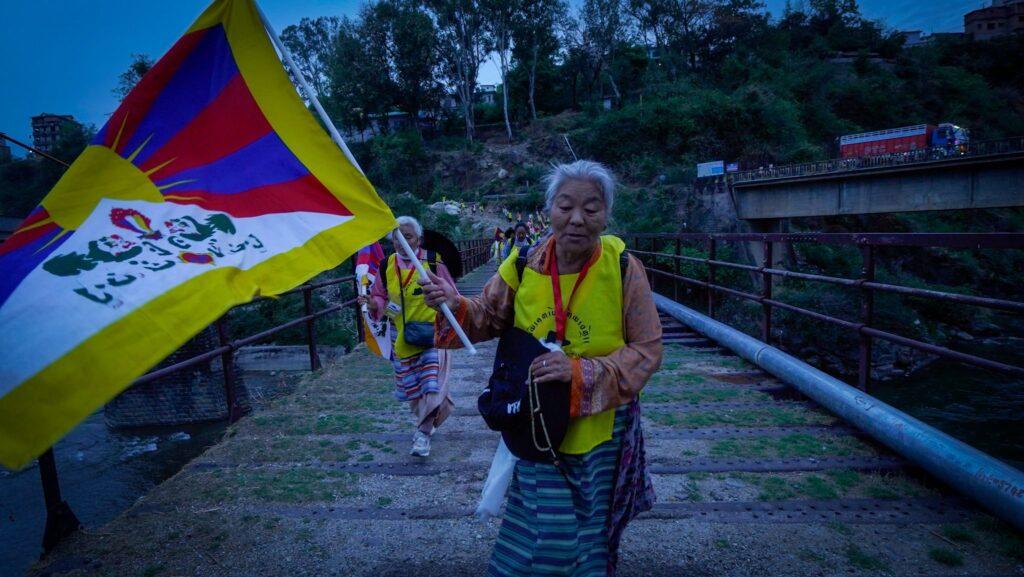
Black Hat March | Day 3: From Gopalpur to Tashijong

 Day 3 of the Black Hat March began early at 5:00 AM with a prayer meeting followed by a briefing from the organizing committee. The march commenced from TCV Gopalpur School.

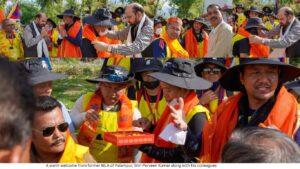
At around 9:00 am, the TYC marchers received a warm welcome from the former MLA of Palampur, Shri Parveen Kumar, along with his colleagues, who honored them with traditional Indian scarves as a gesture of solidarity with the Tibetan movement.


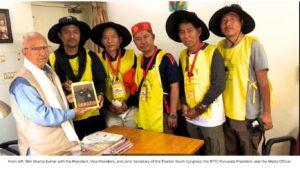
At approximately 11:00 am, the President, Vice President, and Joint Secretary of the Tibetan Youth Congress, along with the RTYC Puruwala President and a few marchers, met with former Union Minister of the Government of India and the third Chief Minister of Himachal Pradesh, Shri Shanta Kumar. A long-time friend of His Holiness the 14th Dalai Lama, Shri Shanta Kumar, even at the age of 91, continues to express steadfast support for the Tibetan cause. The delegation shared the objectives of the Black Hat March and conveyed deep gratitude for his enduring solidarity with the Tibetan people.

By 4:00 PM, the marchers arrived at Tashijong Tibetan Village, where they were warmly welcomed by the local Tibetan community. The President of the Tibetan Youth Congress addressed the gathering, emphasizing the importance of unity and renewed activism among Tibetans.


The day concluded with a generous dinner hosted by the Tashijong Tibetan community. Exhausted yet fulfilled, the marchers retired for the night with a strong sense of purpose and solidarity.

The Tibetan Youth Congress extends sincere thanks to Shri Shanta Kumar, Shri Parveen Kumar, Tashijong Tibetan community, Tashijong Tibetan Monastery, and the Youth Club of Tashijong for their kindness and support.

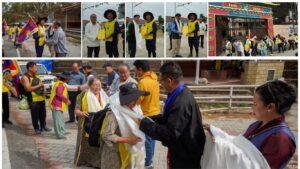
Black Hat March | Day 2: From Sarah to Gopalpur

Day 2 – The day began early at 5 AM with a prayer meets and a briefing by the organizing committee. Soon after, the march set off from Sarah Tibetan Studies College, making its way toward TCV Gopalpur via Dadh.
At Dadh, members of the Tibetan community of Chamunda, along with Himalayan Parivar National Secretary Mr. Rishi Kumar Ji and the owner of Hotel Dolphin, warmly welcomed the Tibetan Youth Congress Black Hat marchers, showing their strong support for the cause. By around 5 PM, we reached Tibetan Children’s Village School, Gopalpur, where students lined up to greet the marchers. The school administration kindly arranged high tea and accommodations for the night.
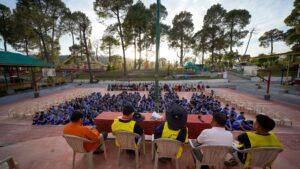
At 6 PM, the President and Vice President of the Tibetan Youth Congress held an engaging talk session with school staff, teachers, and students. They emphasized that students, the future of Tibet, should focus deeply on their education and recognize their responsibility toward the nation’s future.
The day concluded with a school dinner that brought back memories of our own school days, ending on a meaningful and reflective note.
Thank you TCV GOPALPUR , Chamunda Tibetan community, Rishi kumar ji himalayan parivar National Seretary and hotel Dolphin.

67th Tibetan National Uprising Day: Standing Against Oppression

On 10th March 1959, waves of desperate hope and terror swept through Lhasa as Tibetans bravely risked everything (lives, families, future) to shield His Holiness the 14th Dalai Lama and fight for the soul of their homeland. This uprising, forever branded with courage and sorrow, still fuels the unyielding spirit at the core of the Tibetan freedom movement.
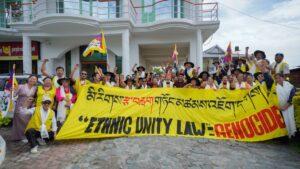
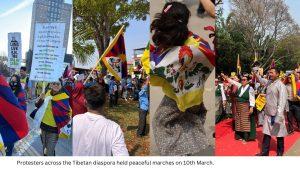
Today, 10th March 2026, Tibetan hearts unite in peaceful protest marches across the world, each step and chant echoing with longing, outrage, and hope for the homeland they ache to see free. (Video link)
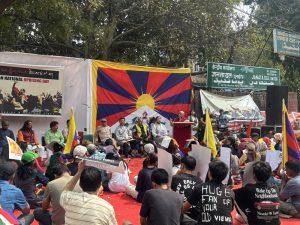
The air at Jantar Mantar in New Delhi pulsed with fierce determination, every heartbeat echoing resistance as the Tibetan Youth Congress led a fervent mass protest. Over 500 Tibetans and their steadfast allies gathered, their voices and very presence a living testament of unwavering solidarity for Tibet’s struggle.
The President of the Tibetan Youth Congress addressed the gathering, joined by several distinguished guest speakers, including Dr Manoj Kumar, National General Secretary of the Indo-Tibet Friendship Society; the former Deputy Speaker of the Tibetan Parliament-in-Exile; former MCD member Rakesh Kumar Ji; Professor Vinay Kumar; and Jagtumba Singh from Bharat Tibet Sahyog Manch. During the programme, organisers’ anguished voices revealed Tibetans’ suffering under Chinese rule, calling for the world to witness this plight. As Ladakhi singer Sonam’s patriotic song soared, emotion swept the crowd, forging tears into vows of commitment.
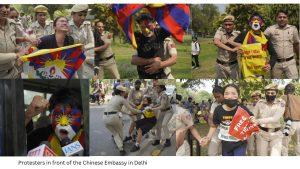
Meanwhile, at the Chinese Embassy, the Tibetan Youth Congress Central Executive, with RTYC Delhi and RTYC Rohini, held a demonstration. When 24 Tibetan activists were detained, fear and injustice surged through the crowd, showing the high stakes of resistance.

TIBETAN YOUTH CONGRESS ADVOCACY IN TAIWAN

Tibetan Youth Congress advocacy in Taiwan

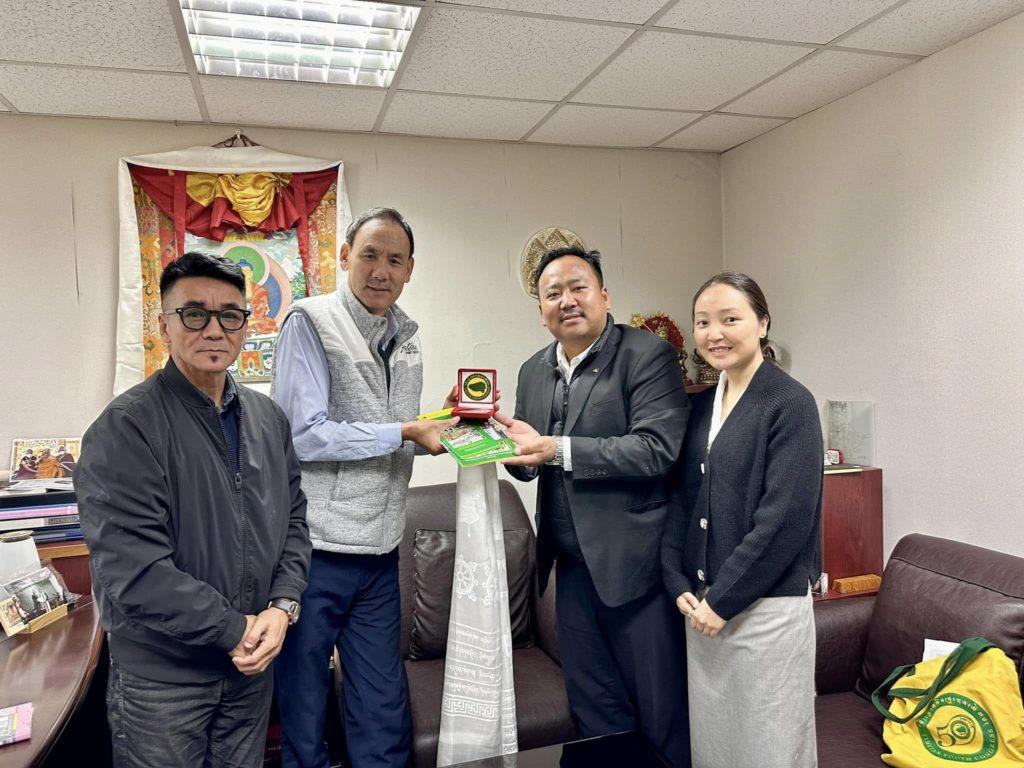
On February 4, 2025, TYC President and Information Secretary met with Kungoe Kalsang Gyaltsen la, the Representative of His Holiness the Dalai Lama in Taiwan. The meeting was also attended by Tashi Tsering la. During the discussion, the TYC President provided an overview of TYC’s advocacy efforts in Taiwan. Kungoe Kalsang la extended his best wishes to the Centrex delegation for their programs in Taiwan. Later in the afternoon, the delegation held a meeting with Taipei-based NGOs.

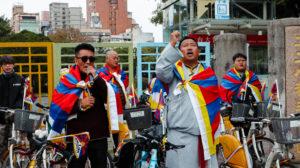
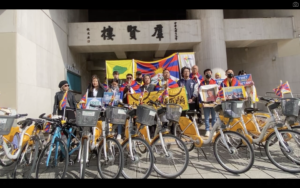
On February 5, the TYC Centrex delegation participated in the Free Tibet Cycle Rally, marking its 15th anniversary. The campaign was initially started by Tashi Tsering la and has been organized by HRNTT since 2016. At a press conference, Taiwanese Members of Parliament Mr. Puma SHEN and Ms. Pei-yu CHEN expressed their support for the Tibetan cause. The TYC President addressed the media, thanking the MPs and the people of Taiwan for their unwavering support for Tibet’s independence. He reaffirmed the Tibetan people’s determination to continue their resistance until Tibet’s rightful independence is restored.

In the afternoon, the TYC President engaged with students at National Chengchi University (NCCU) in a talk program organized by HRNTT, with board members Tashi la and Shinyi accompanying him.

On February 7, with arrangements made by HRNTT, the TYC President and Information Secretary delivered a public talk at the Taipei International Book Festival. Following the talk, the TYC President gave an interview to Taiwanese media. The Representative Office hosted a dinner for the Centrex delegation, Tashi la, and Regional President Kunchok la. The TYC President expressed his gratitude to Kungoe Kalsang Gyaltsen la and the staff of the Taiwan Representative Office for their dinner and support.


On February 5th, during the press conference for the Free Tibet Cycle Rally, TYC President and Information Secretary met with Taiwanese Members of Parliament, Mr. Puma Shen and Ms. Pei-yu Chen.

On February 7th, the delegation first held a meeting with the President and executive members of several NGOs at 9:00 AM. Later, they met with Mr. Lin Ming Shin, Taiwan’s Minister, and Mr. Kao Yung Chen, Commissioner of Taiwan’s National Human Rights Commission, at the Minister’s office. During the meeting, the TYC President expressed gratitude for Taiwan’s continued support for the Tibet cause, providing updates on the critical situation in Tibet, TYC’s ongoing campaigns, and potential future collaborations with Taiwan to counter the Chinese Communist Party (CCP).

Following the meeting, the TYC President participated in an interview at the DW regional office, after which they met with Mrs. Wu Pei Yi, Taiwan Member of Parliament and Vice President of the Taiwan Parliamentary Group for Tibet. The TYC President thanked Mrs. Wu for her unwavering support and requested her continued advocacy.

In the evening, the TYC delegation participated in a public talk at “Friday Philosophy,” where the TYC President and Information Secretary gave a presentation on Tibet’s issues and the role of TYC. The session included a Q&A, during which the TYC President responded the participants’ questions. Representative Kungoe Kalsang Gyaltsen la also attended the event and the program lasted for two hours.

On February 8th, the TYC delegation had a lunch meeting with the Professor WU Haojen, President of HRNTT, Tashi Tsering la, Shinyi, Penghsuan other board members, and the Presidents of several other NGOs. The TYC President expressed gratitude to HRNTT for their hospitality and productive arrangements during their visit to Taiwan, emphasizing the importance of a close relationship between TYC and HRNTT.

On February 9th, the delegation met with Mr. Hung Shen-Han, Minister of Taiwan’s Ministry of Labor and President of the Parliamentary Group for Tibet, at the HRNTT office. The discussion focused on Tibet and international issues. The TYC President thanked Minister Hung for his leadership and support for Tibet’s just cause.

In the evening, Tashi Tsering la and RTYC Taiwan President Kunchok la saw off the TYC President and Information Secretary at the airport. The TYC delegation had a productive engagement in Taipei, Taiwan, before returning to India.

MORE DETAILS HERE


TYC VICE PRESIDENT ATTENDED AS THE CHIEF GUEST ON RTYC MANGALORE FRESHER’S DAY

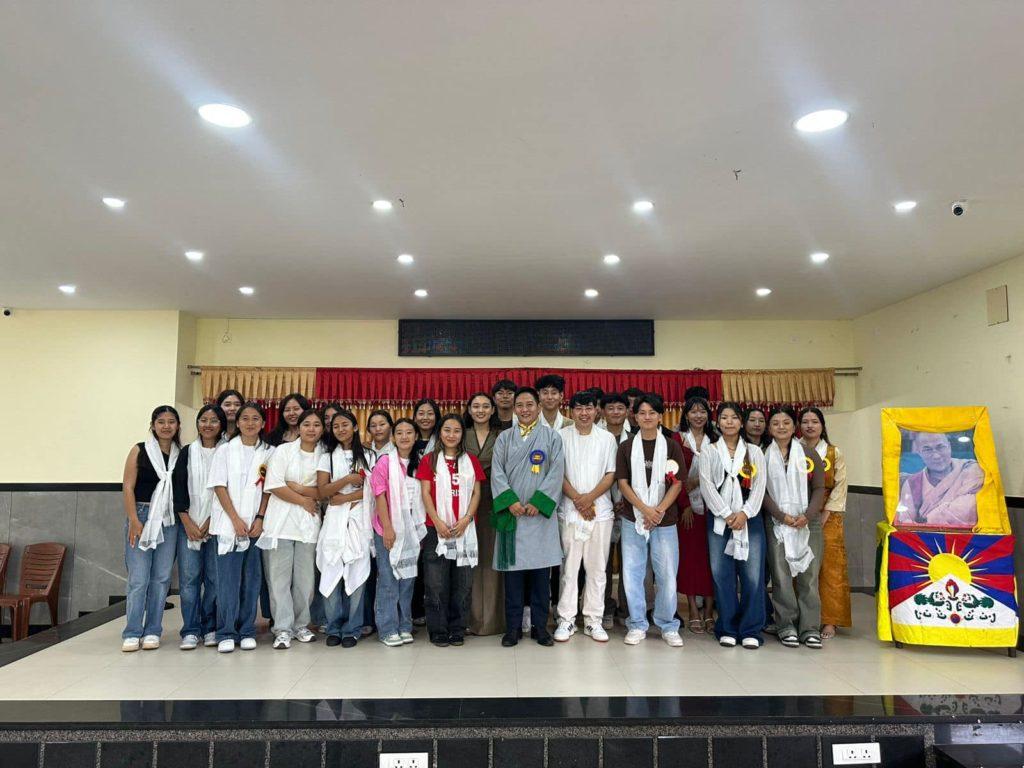
Tibetan Youth Congress Vice President attended as the chief guest, alongside Kungo Jigme Tsultrim la (South Zone Chief Representative), at the Freshers’ Day event organized by RTYC Mangalore. The Vice President spoke about the importance of youth involvement in political campaigns and highlighted the worsening situation inside Tibet.

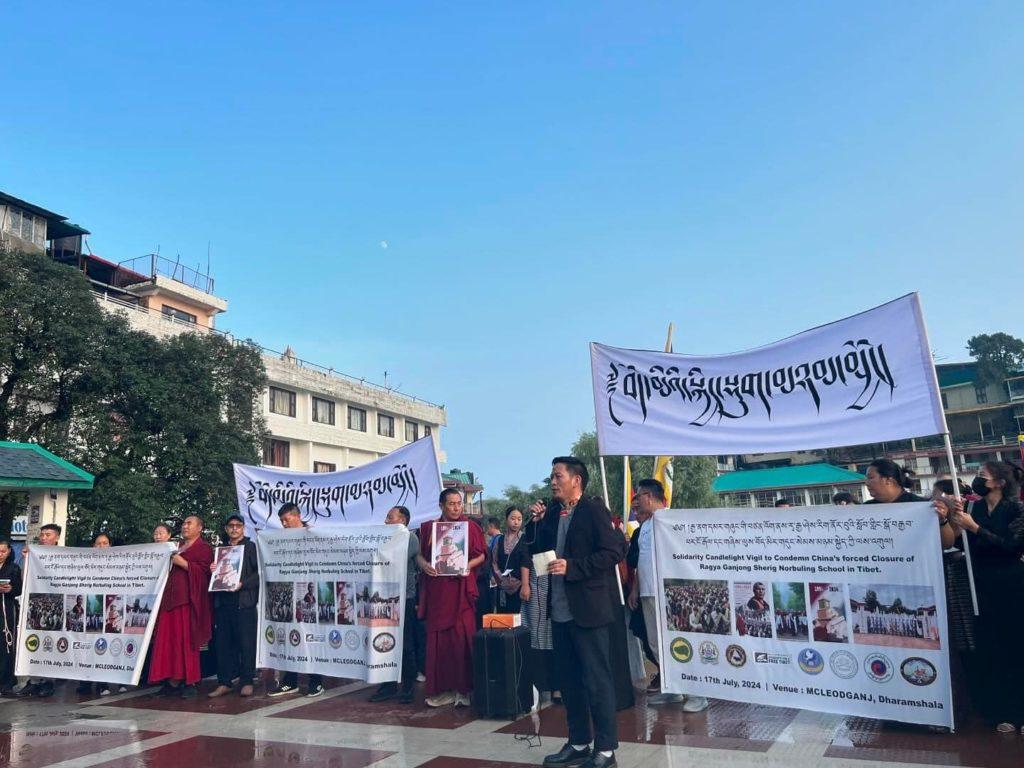
CANDLELIGHT PEACE RALLY TO CONDEMN CHINA’S FORCED CLOSURE OF THE ESTEEMED RAGYA GANGJONG SHERIG NORBU SCHOOL IN GOLOG

The Tibetan Youth Congress, in collaboration with seven NGOs in Dharamshala, organized a candlelight peace rally to condemn China’s forced closure of the esteemed Ragya Gangjong Sherig Norbu school in Golog. The rally aimed to stand in solidarity with Tibetans inside Tibet and condemn Chinese repression.

NEW HOPES EMERGING FOR THE PEOPLE OF TIBET IN THE CHANGING WORLD

NEW HOPES EMERGING FOR THE PEOPLE OF TIBET IN THE CHANGING WORLD

NERVOUS COMMUNIST REGIME, GROWING SPIRIT OF RESISTANCE IN CHINA AND CHANGING INTERNATIONAL MOOD GIVE NEW HOPE TO THE COLONIZED PEOPLE OF TIBET. AN INTERNATIONAL WEBINAR DISCUSSES “HOPES AND POSSIBILITIES FOR A FREE TIBET IN THE PRESENT INTERNATIONAL SCENARIO?”

By- VIJAY KRANTI


NEW DELHI-PARIS-LONDON-BERLIN-DHARAMSHALA, 9 March                       Tibet experts from a cross section of countries see signs of hope for the colonized people of Tibet and other countries, occupied by China, in the ever increasing nationalist rhetoric by the Chinese President Xi Jinping and the Chinese Communist Party (CCP) who are now struggling to keep their hold over China’s ruling system. In an international webinar, held on the eve of 64th anniversary of Tibetan people’s uprising against Chinese colonial rule over Tibet, they saw a big hope in the continuing expression of resistance against Chinese rule among the Tibetan population living under the Chinese rule.

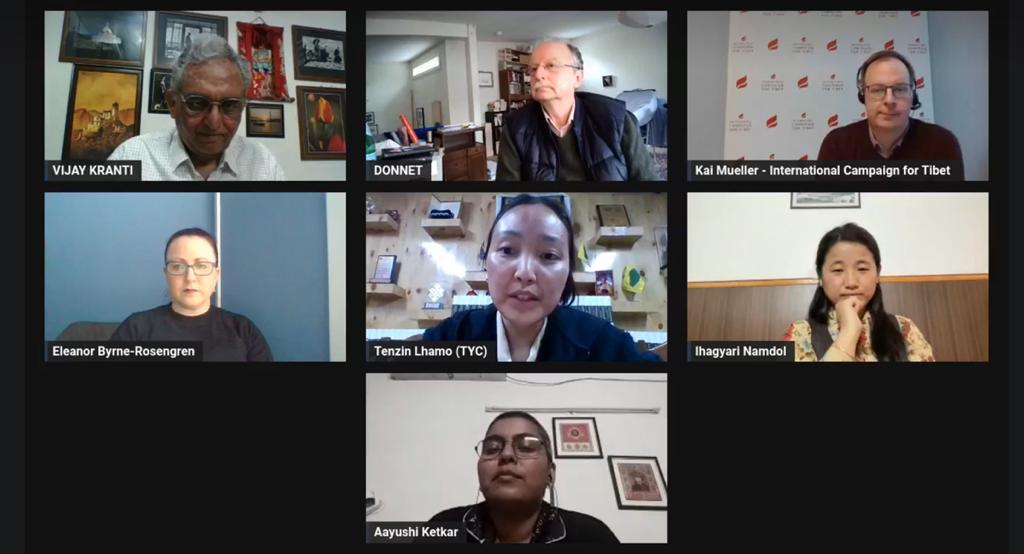
The webinar was organized jointly by the Centre for Himalayan Asia Studies and Engagement (CHASE) and Tibetan Youth Congress (TYC) and the topic of discussion was “Hopes and Possibilities for a Free Tibet in the Present International Scenario.” The expert speakers included Pierre Antoine Donnet, an internationally acclaimed China expert, author and journalist who has had a long stint in Beijing as a correspondent of French news agency AFP. He joined from Paris. Another speaker was Kai Mueller who is Executive Director of the International Campaign for Tibet (ICT), Germany who joined in from Berlin. Ms. Eleanor Byrne-Rosengren, a member of the Steering Committee of International Tibet Network (ITN) joined in from London. The fourth speaker was Ms. Lhagyari Namgyal Dolkar who is an elected Member of the Tibetan Parliament in exile. Prof (Ms) Aaayushi Ketkar of the Special Centre for National Security Studies at JNU and a scholar in international relations and security matters handled the question-answer session of the webinar whereas Ms. Tenzin Lhamo, the Information Secretary of TYC presented her concluding remarks and vote of Thanks. Vijay Kranti, a veteran Tibetologist and Chairman of CHASE moderated the webinar.

The experts took note of the pan-Tibet anti-China protests of 2008; Tibetan people’s deep reverence for Dalai Lama despite his six decade long absence; unending spate of unfortunate self-immolations; and public and individual protests happening frequently across Tibet. They termed these elements as a clear indication of the spirit of freedom remaining alive among the Tibetan people despite rigid controls of China on their lives.

In her presentation Lhagyari underlined the significance of the 10th March in the ongoing history of Tibetan freedom movement. She said, “This day is not only a day for expression of Tibetan people’s collective voice for a free and independent Tibet, it is also to draw world’s attention to the occupation of other colonies of China like East Turkistan, Southern Mongolia and Hong Kong. Our struggle is for the cause of entire humanity,” she said.  She recalled how China’s People Liberation Army (PLA) has killed more than a million Tibetans to fortify its occupation of Tibet. Asserting that Tibet has been a free and independent country throughout the history she said that China is trying to manipulate and rewrite history to assert its claims over Tibet.

Referring to the unabated spirit of the Tibetan people to regain their independence from China, Lhagyari drew attention of the world community to the new campaign of President Xi Jinping and the Chinese Communist Party under which hundreds of thousands of Tibetan children are being taken away from their families to be forcibly kept in the CCP schools to brainwash them in the Communist ideology and to wean them away from their cultural identity

Pierre Antoine Donnet, who has a long experience in watching political developments in China, said that although the CCP has achieved strong control over China and appears to remain in power for a long time, but still the Chinese communist bosses are quite nervous today because of rising opposition and resentment among the Chinese population. He said that after the historic democratic uprising of Chinese youths against the communist regime in 1989 this was the first time that the Chinese people stood up against the communist leadership and the CCP’s for their poor handling of Covid-19. “There were demonstrations in more than 20 cities in which thousands of Chinese youths openly demanded resignation of President Xi and replacing the communist rule with a democratic one. This is a very significant development,” he said.

Donnet underlined the nervousness among the Chinese communist leadership, especially President Xi. “This nervousness became evident from the sudden U-turn on Covid controls,” he said. He also referred to the speeches of President Xi and his new PM at the latest meeting of the Parliament. “Both Xi and his new Prime Minister devoted long time in criticizing and accusing America and western countries. They looked nervous because they are finding that more and more countries are joining hands against China.” He observed that the freedom movements both in Tibet and Xinjiang are gaining momentum. “The international awareness about the real situation in Tibet and Xinjiang is increasing among the world community which is a good sign for both,” he added.

Kai Mueller expressed concern over China’s role in the ongoing Ukraine war. He pointed out that more and more western countries are now realizing that China is becoming a close ally of Russia and cannot be relied upon for conducting any honest negotiations with Russia for bring truce and peace in this war. “World is now realizing China’s increasing attempts in the United Nations, especially in the UN Human Rights Council where it is continuously attempting to undermine definitions, standards and processes of acknowledged and well established UN Rights mechanisms,” he said.

Talking about the take away of the Ukraine war for the Tibetan people he said, “The issue of near total dependence on one source for energy has become quite evident among the western countries during the ongoing Ukraine war. This might now lead to decoupling and diversification of trade with China. If this happens then we can hope a lesser influence of the western corporates over the foreign policy of their respective governments about China. And this will surely lead to a better realization and understanding of western governments on the Tibetan and the Uyghur cause.”

Eleanor Byrne-Rosengren, an old hand at developing strategies in the Tibetan campaign, reflected a hopeful scenario on the issue of Tibet as she finds a noticeable change and realization about China in many countries, especially in the UK. She said that the government and people of UK are waking up to their vulnerability to Chinese spying and surveillance through China made CCTV cameras and other equipment. “Just like we have been using asbestos in our homes and buildings without realizing its dangerous impact on our health, we are now waking up to the danger posed by the Chinese CCTV cameras and other Chinese equipment….. But UK is not the only country which is becoming aware of this danger from China. There are many other countries like Australia and USA who are rising up to this challenge. And all this will lead to a better understanding of the situation of the people of Tibet, ” she added. She pointed out at the naïve belief of many countries that more trade with China will bring more democratic and political change in China.

HIGHLIGHTS ON TIBET

Highlights on Tibet


Human Rights Watch, an American-based organization, released its highly regarded annual human rights report on 12th January 2023. The report, covering over 100 countries, highlights Tibet’s position as the second least-free country, alongside South Sudan and Syria, based on the previous year’s Freedom House Global Report. The findings underscore the Chinese government’s alleged abysmal human rights violations, maltreatment, and systematic eradication of Tibetan culture, Buddhism, and the Tibetan language, which has historically served as the medium of education for Tibetan school students.


In 33rd annual global human rights report, Tibet, unlike any time before, got larger space to hue her infliction, both potent and latent under the Chinese fragrant system.  Human Rights Watch, this year, did not let economic interest outweigh human rights; and they courageously brought out Tibetan issue more practical, covering some urgent issues: environmental degradation, the primary education system in Chinese-designed boarding schools; and restrictions on religious activities. The report also emerged of the arrest and sentencing of Tibetan cultural figures, notably Go Sherab Gyatso and the popular young Tibetan pop singer Tswang Norbu attempted self-immolation in Lhasa, the capital city of Tibet in 2022.


“Holistic View of Tibetan Human Rights Challenges in Human Rights Watch’s Annual Report”


In its 33rd annual global human rights report, Human Rights Watch shines a spotlight on Tibet, providing a comprehensive examination of the multifaceted challenges faced by the region under the Chinese governance. This year, the report demonstrates a commendable commitment to prioritizing human rights over economic interests, bringing crucial Tibetan issues to the forefront. The report addresses pressing concerns such as environmental degradation, shortcomings in the Chinese-designed boarding school system for primary education, and restrictions on religious activities. It also highlights the arrests and sentencing of Tibetan cultural figures, including Go Sherab Gyatso, as well as the attempted self-immolation of popular young Tibetan pop singer Tswang Norbu in Lhasa, the capital city of Tibet, during 2022.


“U.S. Department of State Launches Global Political Prisoner Campaign, Urging for the Release of 18 Prominent Political Prisoners”


On January 10, 2023, the U.S. Department of State unveiled its “Without Just Cause Political Prisoner Campaign,” urging the international community to take decisive action to secure the freedom of 18 prominent political prisoners. Among those highlighted are Go Sherab Gyatso, a Tibetan religious philosopher, and Mohamed El-Baqer, an Egyptian human rights lawyer, who have endured lengthy confinement under the Chinese government’s prosecution. Uzra Zeya, the U.S. Special Coordinator for Tibetan Issues, called for the immediate release of these international political prisoners without any preconditions. Stressing the urgency, Zeya emphasized that countless political prisoners worldwide face torture, suppression of fundamental freedoms, and enforced disappearances, impacting both their families and nations. The campaign aims to address these injustices and advocate for the rights and freedom of political prisoners globally.


“International Campaign for Tibet Reports Alarming Impact of China’s Policy Shift on COVID-19 in Tibet”


On January 19, 2023, the International Campaign for Tibet (ICT) released a comprehensive report detailing China’s sudden abandonment of its “zero-COVID” policy and the dire consequences for elderly Tibetans in Tibet. The report draws on extensive research, including first-hand accounts from Japan and Brazil, as well as on-ground information from individual Tibetans.


According to ICT’s findings, since the implementation of COVID-19 restrictions in Tibet on December 7, 2022, a worst-case scenario predicts that over 220,000 Tibetans aged 60 and above could lose their lives following the end of the zero-COVID policy. Furthermore, considering the current case fatality rate during the COVID surge, it is estimated that over 45,000 Tibetans aged 80 and older may face mortality.


It is important to note that these estimates represent the most severe outcome based on current levels of vaccination and immunity, as well as China’s alleged mismanagement of the pandemic. However, without genuine transparency from the Chinese government, the true COVID death toll in Tibet remains uncertain.

The report highlights the urgent need for transparency and accountability from the Chinese government regarding their handling of the pandemic in Tibet. Efforts to mitigate the impact on vulnerable populations, particularly the elderly, are crucial to protect lives and ensure the well-being of Tibetan communities.


“Arrest of Tibetan Monk Rongwo Gangkar Raises Concerns over Intellectual Suppression”


Rongwo Gangkar, a 43-year-old Tibetan monk known for his deep appreciation of poetry and literature, was actively involved in book-related discussions and advocated for the celebration of the Dalai Lama’s birthday just before his arrest. However, he was arrested by local Chinese authorities in early 2022 in the Malho Tibetan Autonomous Prefecture. Since his arrest, information regarding his whereabouts and well-being has been limited.


According to information compiled by Free Tibet.Org, released on January 21, 2023, Rongwo Gangkar’s arrest is part of a larger pattern wherein Chinese authorities have specifically targeted Tibetan intellectuals and individuals who promote Tibet’s language and culture. This alarming trend underscores the suppression of intellectual freedom and the stifling of Tibetan cultural expression.


The arrest of Rongwo Gangkar has raised concerns within the international community regarding the ongoing targeting of Tibetan intellectuals by Chinese authorities. It highlights the need for greater attention to the protection of human rights and freedom of expression in Tibet.


“Global Week of Action Highlights Concerns Over Thermo Fisher’s Involvement in China’s Surveillance and Attack on Tibetan Identity”


As part of the ‘HANDS OFF TIBETANS’ DNA’ Global Week of Action, an expert panel hosted by the Internal Tibet Network on February 1, 2023, focused on Thermo Fisher’s corporate responsibility and their alleged involvement in China’s latest assault on Tibetan identity and extensive surveillance measures. The event garnered support from 120 NGOs worldwide, as well as coalitions including the Tibetan Youth Congress, Tibetan Women’s Association, National Democratic Party of Tibet, and Students for a Free Tibet at Mcload Square in Dharamshala.


On February 3, 2023, participants united their voices through theatrical performances and signature campaigns to protest China’s mass DNA collection of Tibetans, including children as young as five. The event aimed to raise awareness and express concerns over the infringement of Tibetan rights and the potential misuse of genetic data for surveillance purposes.


The Global Week of Action serves as a platform for various organizations and individuals to come together in solidarity, advocating for the protection of unique identity, human rights, and the preservation of cultural heritage in the face of mounting challenges caused by the Chinese Communist government’s repressive policies.


“UN Receives Damning Report on China’s Colonial Boarding Schools in Tibet”


A comprehensive report exposing China’s extensive network of colonial boarding schools in Tibet, which garnered significant social media coverage upon its release in 2021, has reached the United Nations table on February 7, 2023. The report provides in-depth research, shedding light on the alarming situation of over 900,000 Tibetan children being forcibly enrolled in state-run boarding schools.


The report further condemns the emotional and psychological distress experienced by young Tibetan children in these boarding schools, emphasizing the unacceptable indoctrination and the heavy-handed torture inflicted by the forced separation of approximately 1 million Tibetan children from their families.


The findings presented in the report have ignited global concerns over the welfare and rights of Tibetan children, calling for urgent attention and action from the international community to address the severe consequences of this system.


“110th Anniversary Celebration of Tibet’s Independence Day Marked with International Webinar”


On February 13, 2023, Tibetans around the world commemorated the 110th anniversary of Tibet’s Independence Day, a historically significant event in Tibet’s political history. The 13th Dalai Lama’s resolute declaration of Tibetan independence on the same day in 1913 resonates deeply within the hearts of every Tibetan.


In recognition of this momentous occasion, the Tibetan Youth Congress along with the Centre for Himalayan Asia Studies and Engagement organized an international webinar titled “Tibetan has been an Independent Country in History.” The webinar featured esteemed keynote speakers including Bhuchung Tsering, Interim President of the International Campaign for Tibet; Dr. Uwe Meya, Board Member of Gesellschaft Scheweiz Tibetische Freundcha; Tenzin Zockeur, Executive Director of Tibet Initiative Deuschland, Berlin; and Tibetan parliamentarian Youdon Aukatsang dropped in her perspectives during the event.


The webinar provided a platform for insightful discussions and reflections on Tibet’s historical independence, reaffirming the Tibetan Youth Congress’s unwavering commitment to restore Tibet’s rightful independence.


“Tibet Watch and Free Tibet Organization Expose Human Rights Violations in Drago County”


Tibet Watch, in collaboration with the Free Tibet Organization, held a press conference at Norbu House’s auditorium hall on February 9, 2023, to shed light on the extensive human rights violations, environmental exploitation, and distressing desecration occurring in Drago County, Tibet, between 2012 and 2022. The conference presented compelling evidence and a comprehensive report that had been previously released in the United Kingdom Parliament earlier in 2023, gaining significant news coverage and international attention. The report drew on individual experiences, testimonial documents, and satellite images to provide a nuanced understanding of the situation.


During the press conference, an exiled Tibetan monk from Drago County shared his recollections, stating that the escalating repression imposed by the Chinese authorities in Kham Drago, as with other areas in Tibet, aims to eradicate Tibetan identity, culture, influential Tibetans, and Tibetan language and education centers.


The press conference served as a platform to bring attention to the plight of the Tibetan people in Drago County and to advocate for the protection of their human rights, preservation of their culture, and the restoration of their freedoms.


“Chinese Government Initiates Massive Railway Construction Project in Tibet”


On February 9, 2023, Tibet Times reported that the Chinese government has commenced a new railway construction project in Tibet, aiming to establish a comprehensive railway network connecting the Tibetan plateau with China. The ambitious project comprises 10 railway constructions and is projected to commence operations around 2035.


The planned railway lines strategically target crucial areas within Lhasa, the capital city of Tibet, including Nagri, Shegatse, Lhokar, and Nytri. In a report released by the Central Tibetan Administration in August 2001, it highlighted the environmental concerns associated with China’s Railway Project. The report emphasized that the Railway Project Committee had allocated an estimated 100 billion yuan (US$12.1 billion) for the construction of large and medium-sized railways.


Critics express deep concerns over the potential environmental impact of these railways, including the degradation of permafrost, destruction of the ecosystem, and damage to the habitats of wildlife and river systems. The extensive construction and operation of the railways raise significant ecological and environmental challenges in the region.


“G20 Summit in New Delhi Marred by Tibetan Activist Protests”


Tibetan Youth Congress, Students for a Free Tibet, and National Democratic Party of Tibet activist staged a protest targeting Chinese Foreign Minister Qing Gang. On February 27, 2023, prior to Qing Gang’s arrival at the Chinese Embassy in New Delhi, our protesters confronted him, displaying banner posters and demanding his departure with slogans like “Qing Gang, Go Back” and “G20 Protect Tibetan Children”.


Despite their peaceful intentions, the protesters were met with opposition from Indian police constables who intervened, resulting in scuffles and the confiscation of torn banner posters. The activists’ attempts to raise awareness about the Tibetan cause and advocate for the protection of Tibetan children were silenced during the protest and detained for the rest of the day, and later released.


“Tibetan National Uprising Day Marked by Global Demonstrations and Detentions”


On March 10, 2023, Tibetans worldwide came together to commemorate the 64th anniversary of Tibetan National Uprising Day. In Dharamshala, a significant gathering of Tibetans from various states in India and overseas congregated to express their grievances against China’s policies. Five NGOs organized a nationalistic peace march denouncing China’s practices, including the mass collection of Tibetan DNA samples, the sinicization of Tibetan culture, the implementation of massive surveillance systems, the existence of colonial Chinese boarding schools, and the arbitrary imprisonment of Tibetan intellectuals.


The Tibetan community, both within India and abroad, united in peaceful demonstrations, petition campaigns, and street protests to draw attention to the ongoing challenges faced by Tibetans under Chinese rule. Despite the peaceful nature of the protests, Delhi police intervened and detained all the TYC activist.


The Facebook livestream video of the protest receiving more than 11 million views and being shared by fourteen thousand Facebook users suggests that the protest event was successful in reaching a large audience and generating engagement on social media. This level of viewership and sharing indicates that the protest was able to capture people’s attention and generate interest in the advocacy campaign for freedom.


In 2023 again, Freedom House testified Tibet of a zero-free country from the entire worldwide countries and it has remained in the same category as it was in the last year 2022.  Tibet is ruled by the Chinese Communist Party (CCP) government based on its dictatorship system. The residents of both Han Chinese and Tibetan ethnicity are denied fundamental rights, but the authorities are especially rigorous in suppressing any signs of dissent among Tibetans, including manifestations of Tibetan religious beliefs and cultural identity and language.

Back To Top