Protest at the Chinese Embassy in New Delhi on 1 October

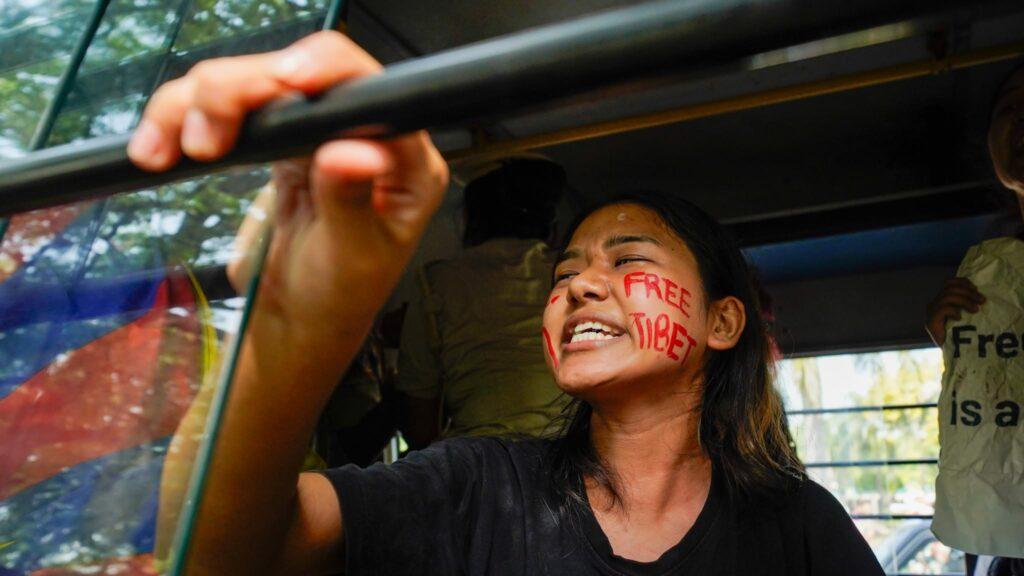
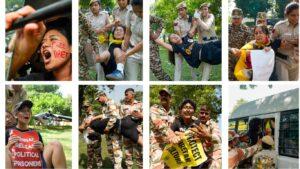
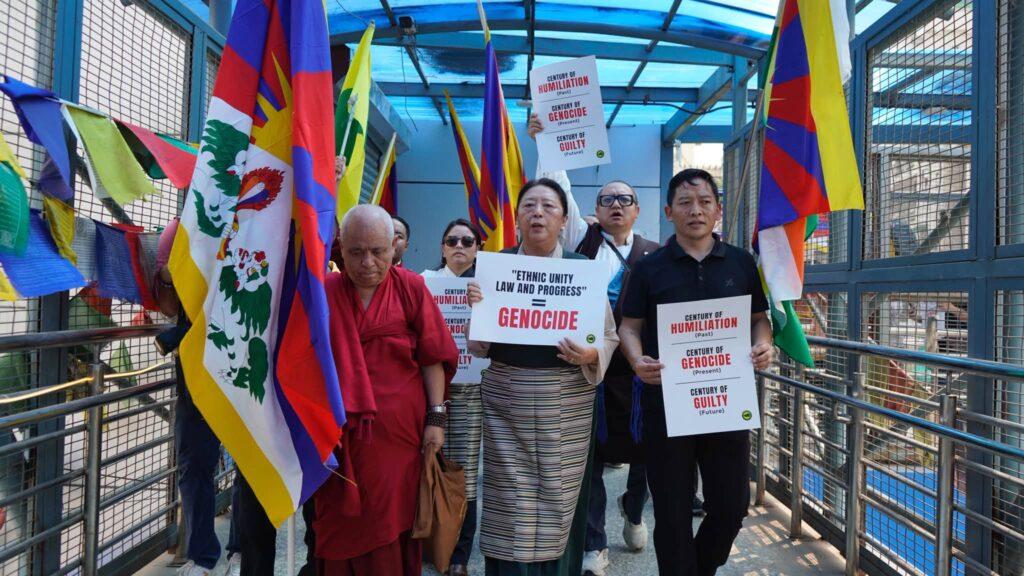
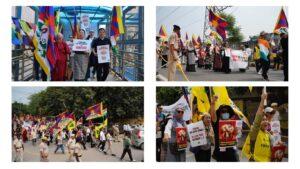
On 1 October 2026, more than 40 members of the Tibetan Youth Congress (TYC) staged a peaceful protest in front of the Chinese Embassy in New Delhi to mark the founding day of the so-called People’s Republic of China. Following the demonstration, all participating activists were detained by the Delhi Police and taken to Mandir Marg Police Station. The protest was a powerful expression of Tibetan resistance and remembrance on a day that is celebrated by the Chinese government, but carries a profoundly different meaning for Tibetans.

The People’s Republic of China was founded on 1 October 1949, a date that Tibetans remember in the context of the subsequent Chinese occupation of Tibet and the profound political, cultural, and social upheaval that followed. While the Chinese government presents its expansion into Tibet under the narrative of “liberation,” Tibetans continue to question the reality and consequences of that claim.              For the Tibetan people, liberation cannot mean the loss of a nation’s freedom, the suppression of its identity, or the weakening of its language, culture, and traditions. Liberation does not equal occupation.

As China celebrated its national day, Tibetan protesters stood outside its embassy to remind the world that behind official celebrations lies a history that remains deeply painful for the Tibetan people. Their presence in New Delhi reflected the enduring grief of a people separated from their homeland, but also the courage and determination of a younger generation unwilling to allow Tibet’s history and identity to be forgotten. Carrying the aspirations of those who sacrificed for Tibet, the protesters raised their voices peacefully for freedom, justice, human rights, and Rangzen.The demonstration also served as a reminder that Tibetans continue to resist cruel Chinese policies that threaten the survival of their distinct national identity. Despite detention and the restrictions placed on peaceful expression, the spirit of the protesters remained resolute: Tibetan voices will not be silenced, Tibetan identity will not be erased, and the aspirations of the Tibetan people will continue to be carried forward.

For Tibetans, 1 October is therefore not simply a date on a political calendar. It is a day of remembrance, reflection, and renewed determination. While one side celebrates the founding of a state, Tibetans remember the consequences that followed and continue to call for a future in which Tibetans can live with dignity, freedom, and self-determination in their own homeland.


CHALO DC! XI JINPING IS NOT WELCOME

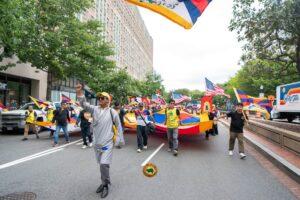
Historic “Chalo DC” Mass Movement Demonstration in Washington, DC

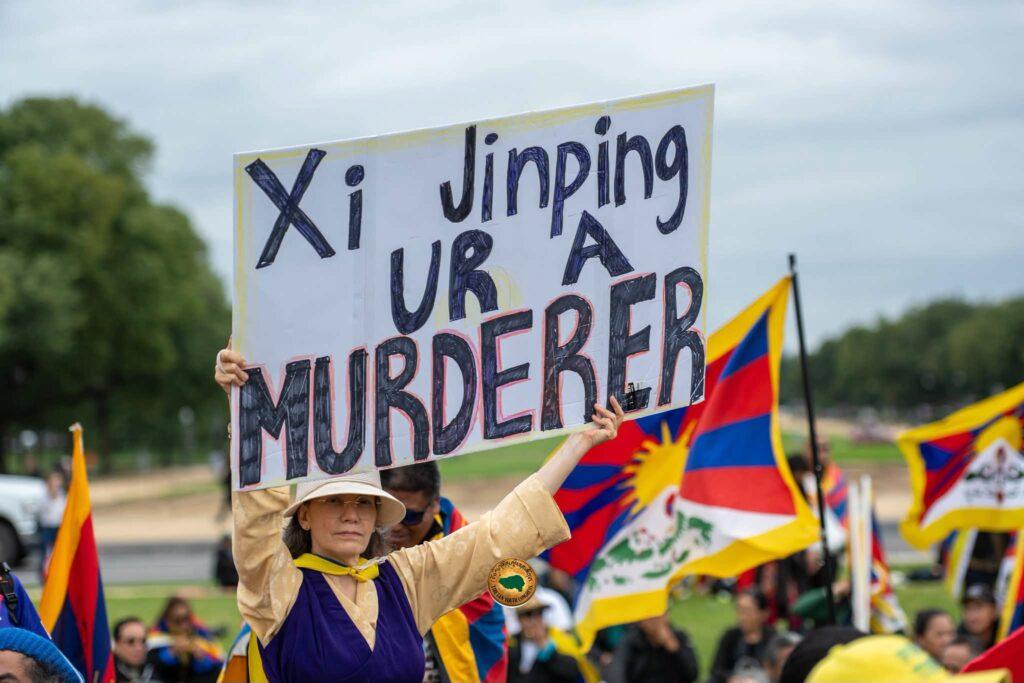
On 24 September 2026, the Central Tibetan Youth Congress (TYC) along with North America RTYCs organized the historic “Chalo DC” Mass Movement Demonstration in Washington, DC, bringing together Tibetans from across North America and Canada in a powerful display of unity and determination against the visit of Chinese leader Xi Jinping to Washington, DC.

The demonstration provided a historic platform for Tibetans in exile to come together and show that, despite decades of repression and increasingly restrictive policies, the Tibetan voice cannot and will not be silenced. The gathering came at a particularly significant moment, as Xi Jinping’s meeting with U.S. President Donald Trump provided an important opportunity for Tibetans to demonstrate their strength, unity, and unwavering commitment to the cause of Tibet.

The protest also expressed deep opposition to China’s so-called “Ethnic Unity Law,” which the Tibetan Youth Congress condemns as a deeply repressive policy aimed at further undermining and erasing Tibetan identity, culture, language, and national existence. For the Tibetan community, such policies are not merely political measures but a continuing threat to the survival of Tibet’s distinct identity and heritage.

The demonstration was further strengthened by the participation of representatives and supporters from other oppressed nations of China. Tibetans, Uyghurs, Hong Kong activists, Southern Mongolians, and Chinese democracy supporters stood together in Washington, raising a shared voice for freedom, human rights, cultural preservation, and justice. Their solidarity demonstrated that the struggle against repression transcends borders and communities.

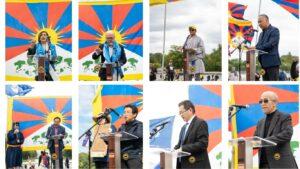
TYC were honored to hear from distinguished speakers, including Former Speaker of the U.S. House Hon. Nancy Pelosi, Hon. Congressman Jim McGovern, TYC President Tsering Chomphel, ICT President Tencho Gyatso, CATA President Tenzin Norbu, Chinese democracy supporters Baosheng Guo and Sophie Luo, Frances Hui of the Committee for Freedom in Hong Kong Foundation, Mr. Enghebatu representing Southern Mongolians, and Omar Kanat, Executive Director of the Uyghur Human Rights Project. We express our sincere gratitude to all the speakers and supporters who stood with Tibet and shared their voices in solidarity.


As Xi Jinping met with the U.S. President, Tibetans and other oppressed communities gathered in the streets of Washington to ensure that the human rights crisis under Chinese rule could not be overlooked. The demonstration called on the United States and the international community to raise the issues of Tibet, East Turkistan, Hong Kong, and other affected communities in their engagement with Beijing.

For Tibetans, the gathering was more than a protest—it was an expression of collective memory, pain, courage, and hope. Thousands of miles away from their homeland, Tibetans stood together with renewed determination to protect their identity and keep alive the aspirations of generations who have sacrificed for Tibet.

The Tibetan Youth Congress extends its heartfelt gratitude to all Tibetans across North America and Canada, as well as friends and supporters from other communities, who came together to make this historic demonstration possible.

United for Freedom.
United for Human Rights.
United for Tibet.

                                  PhotoCredit: Tenzin Wangdu Rangzen

CHALO DELHI !!

Protests in New Delhi Against Xi Jinping’s Participation in the BRICS Summit

On 11 September 2026, hundreds of Tibetans from more than 20 Regional Tibetan Youth Congress (RTYC) chapters, along with members of the Tibetan public in Delhi, gathered in New Delhi for a peaceful demonstration against Chinese President Xi Jinping’s participation in the BRICS Summit hosted by India. More than 250 Tibetan youth came together under the leadership of the Tibetan Youth Congress to raise a strong and united voice against Xi Jinping’s visit. Despite the intense heat, protesters marched with deep emotion, patriotism, and determination, carrying the pain of Tibet and the aspirations of the Tibetan people to the heart of India’s capital.

The demonstration was strengthened by the presence of former CTA Minister Madam Gyari Dolma la, former Deputy Speaker of the Tibetan Parliament-in-Exile Acharya Yeshi Phuntsok la, and Members of the Tibetan Parliament-in-Exile Mr. Wangdue Dorjee la, Madam Gagya Choekyi Gyaltsen la, and Mr. Kunchok Rinchen la. Their presence reflected the collective resolve of the Tibetan community to continue raising the issue of Tibet and demanding justice, freedom, and the restoration of Tibet’s independence.

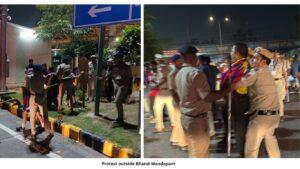
On 12 September 2026, during the BRICS dinner gala, members of the Central Tibetan Youth Congress Executive Committee and RTYC chapters staged another peaceful protest outside Bharat Mandapam, the venue of the BRICS Summit in New Delhi. More than 50 Tibetan Youth Congress members were subsequently detained by the Delhi Police while protesting against Xi Jinping’s participation in the summit and his attendance at the dinner and cultural programme.

The two-day protests sent a powerful message from India’s capital: Tibet cannot be silenced, and the Tibetan struggle cannot be ignored. For Tibetans, the presence of China’s leadership on Indian soil was a deeply emotional reminder of the decades of repression, cultural destruction, forced assimilation, and erosion of Tibetan identity. Yet, rather than allowing that pain to remain unheard, Tibetan youth transformed it into courage, unity, and peaceful resistance.

From the heart of New Delhi, the Tibetan Youth Congress reaffirmed:

Tibet is not a forgotten issue.
Tibet is not an internal issue of China.
Tibet is a question of justice, freedom, and peace in Asia.

The Tibetan Youth Congress and Tibetan youth will continue to raise their voices wherever China seeks to project its power and legitimacy while denying the fundamental rights and aspirations of the Tibetan people. Tibet will not be erased. Tibetan identity will not be silenced. The struggle for Rangzen continues.

Tibet’s independence is not only a question of freedom for Tibetans—it is also a question of peace, justice, and security for India and Asia.


Tibetan Youth Congress Chain Hunger Strike

The Tibetan Youth Congress (TYC) carried out a series of ongoing actions across the world to honor Pawo Lobga Rangzen. As part of these actions, the Tibetan Youth Congress lodged opposition to the Chinese Communist government’s new legislation known as the “Ethnic Unity and Progress Promotion Law” and stated that, through its regional chapters across the world, as well as Tibet-support groups and individuals, it would continue and intensify Tibet-cause struggle activities worldwide, beginning from its headquarters in Dharamsala.


Tibetan Youth Congress Chain Hunger Strike

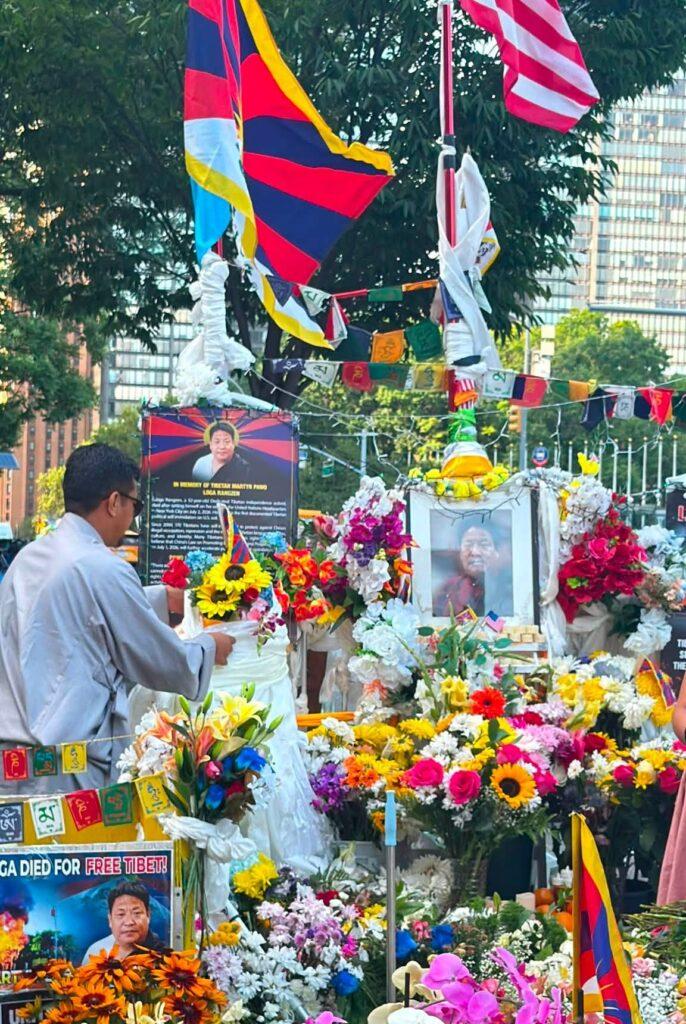
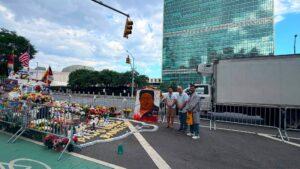
The Tibetan Youth Congress Chain Hunger Strike is part of a worldwide protest campaign. The hunger strike began in Dharamsala, in front of the Dalai Lama Temple, and continued in front of the United Nations Headquarters in New York, where pawo (martyr) Lobga Rangzen self-immolated.

The chain hunger strike began on July 19, 2026, and concluded on September 6, 2026, lasting a total of 50 days.

 The Tibetan Youth Congress launched the hunger strike on July 19, 2026, in continuation of Pawo Lobga Rangzen’s wishes and announced plans to carry out multiple Tibet-cause struggle activities.

Day 1: On the first day of the hunger strike, former Central Executive Committee members of the Tibetan Youth Congress residing in Dharamsala began a 24-hour chain hunger strike.

Day 2: The Central TYC Executive Committee and staff members participated in the chain hunger strike for justice, honoring the aspirations of Tibetan martyrs.

Day 3: Executives of the Regional Tibetan Youth Congress Dharamsala (RTYC Dharamsala) joined the chain hunger strike in honor of the aspirations and sacrifices of Tibetan martyrs.

Day 4: Executives from VTAG India joined the chain hunger strike in honor of the aspirations and sacrifices of Tibetan martyrs.

Day 5: The former TYC Centrex Joint Secretary, RTYC Bir Working Committee members, and members of the public from the Bir Tibetan Settlement joined the chain hunger strike in honor of the aspirations and sacrifices of Tibetan martyrs.

Day 6: Staff members of Students for a Free Tibet–India and members of the Dharamsala public joined the chain hunger strike in honor of the aspirations and sacrifices of Tibetan martyrs.

Day 7: Executives from the National Democratic Party of Tibet and members of the Dharamsala public joined the chain hunger strike in honor of the aspirations and sacrifices of Tibetan martyrs.

Day 8: Staff members from the International Tibet Network and members of the Dharamsala public joined the chain hunger strike in honor of the aspirations and sacrifices of Tibetan martyrs.

Day 9: Members of the Tibetan Market Association joined the chain hunger strike in honor of the aspirations and sacrifices of Tibetan martyrs.

Day 10: Representatives/monks from Tsenyi Monastery and a nine-year-old boy joined the chain hunger strike in honor of the aspirations and sacrifices of Tibetan martyrs.

Day 11: Representatives/monks from Namgyal Monastery joined the chain hunger strike in honor of the aspirations and sacrifices of Tibetan martyrs.

Day 12: Representatives/monks from Gaden Choeling Nunnery joined the chain hunger strike in honor of the aspirations and sacrifices of Tibetan martyrs.

Day 13: Representatives/monks from Nechung Monastery joined the chain hunger strike in honor of the aspirations and sacrifices of Tibetan martyrs.

Day 14: Representatives/monks from Ghadong Monastery and members of the public joined the chain hunger strike in honor of the aspirations and sacrifices of Tibetan martyrs.

Day 15: Students from the College for Higher Tibetan Studies, members of the Sarah Regional Tibetan Youth Congress, and members of the public joined the chain hunger strike in honor of the aspirations and sacrifices of Tibetan martyrs.

Day 16: Members of the Dhasa Gardo Association joined the chain hunger strike in honor of the aspirations and sacrifices of Tibetan martyrs.

Day 17: A group of Rangzen activists joined the chain hunger strike in honor of the aspirations and sacrifices of Tibetan martyrs.

Day 18: Former members of RTYC Dhasa joined the chain hunger strike in honor of the aspirations and sacrifices of Tibetan martyrs.

Day 19:  member of the Tibetan Parliament in Exile and a former Delhi University student joined the chain hunger strike in honor of the aspirations and sacrifices of Tibetan martyrs.

Day 20: Members of the public from Dharamsala and Chauntra (Nangchen) joined the chain hunger strike in honor of the aspirations and sacrifices of Tibetan martyrs.

Day 21: Representatives from Tibet Charity and members of the Dharamsala public joined the chain hunger strike in honor of the aspirations and sacrifices of Tibetan martyrs.

Day 22: Representatives of Chushi Gangdruk (Four Rivers, Six Ranges) and members of the Dharamsala public joined the chain hunger strike in honor of the aspirations and sacrifices of Tibetan martyrs.

Day 23: The President of the Regional Tibetan Youth Congress Dalhousie and a colleague, the Director of the Lha Charitable Trust and a staff member, and members of the Dharamsala public joined the chain hunger strike in honor of the aspirations and sacrifices of Tibetan martyrs.

Day 24: Representatives from the Norbulingka Institute joined the chain hunger strike in honor of the aspirations and sacrifices of Tibetan martyrs.

Day 25: Students from the College for Higher Tibetan Studies and members of the public joined the chain hunger strike in honor of the aspirations and sacrifices of Tibetan martyrs.

Day 26: Representatives from Jonang Monastery and members of the public joined the chain hunger strike in honor of the aspirations and sacrifices of Tibetan martyrs.

Day 27: Representatives from the Tibetan Institute of Performing Arts joined the chain hunger strike in honor of the aspirations and sacrifices of Tibetan martyrs.

Day 28: Representatives from the Tibetan Cooperative Society joined the chain hunger strike in honor of the aspirations and sacrifices of Tibetan martyrs.

Day 29: A Tibetan nun from Dharamsala joined the chain hunger strike in honor of the aspirations and sacrifices of Tibetan martyrs.

Day 30: A staff member of the Tibetan Settlement Office joined the chain hunger strike in honor of the aspirations and sacrifices of Tibetan martyrs.

Day 31: Staff members from the Tibet Action Institute and members of the Dharamsala public joined the chain hunger strike in honor of the aspirations and sacrifices of Tibetan martyrs.

Day 32: Representatives from Tibet Corps and members of the Dharamsala public joined the chain hunger strike in honor of the aspirations and sacrifices of Tibetan martyrs.

Day 33: Chithue, members of RTYC Poanta Sahib, and monks joined the last day of chain hunger strike in Dharamshala in honor of the aspirations and sacrifices of Tibetan martyrs.

Days 34–50: New York

From Day 34 to Day 50, the TYC chain hunger strike for justice and in honor of the aspirations of Tibetan martyrs was held in front of the United Nations Headquarters in New York City.

The New York phase began with the President of the Tibetan Youth Congress, former TYC Centrex executives, and members of RTYC joining the first day. On the subsequent days, members of the Tibetan public also joined the hunger strike.

Conclusion of the 50-Day Chain Hunger Strike

Counting from the day the Central Tibetan Youth Congress launched the hunger strike in Dharamsala, September 6, 2026, marked the 50th and final day of the chain hunger strike, held in honor of the aspirations of Tibetan martyrs.

Two days earlier, a favorable reply letter had been received by email from the United Nations offices. In accordance with the response received, the ongoing hunger strike in New York was subsequently concluded.

The Tibetan Youth Congress stated that it would continue its struggle without cessation until the wishes and aspirations of the Tibetan patriotic heroes and heroines are fulfilled.

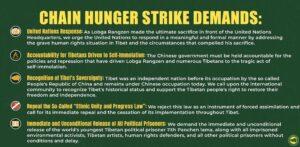
Demands of the hunger strike : 
Tibetan Youth Congress Officially Launches Worldwide Chain Protest Campaign

WORLD WIDE CHAIN PROTEST CAMPAIGN

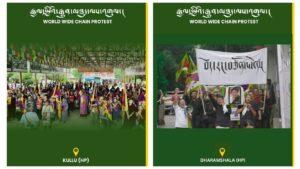
The Central Tibetan Youth Congress (TYC), headquartered in Dharamshala, officially launched a worldwide chain protest campaign on 19 July 2026 in solidarity with the Tibetan people and in remembrance of Tibetan martyr, Pawo Lobga Rangzen. Beginning on this date, the campaign has continued in phases, with Tibetans and supporters of Tibet organizing protests, demonstrations, and solidarity activities across different regions and countries on subsequent dates.

Through this global campaign, the TYC calls upon the Secretary-General of the United Nations to acknowledge and respond to the ultimate sacrifice of Pawo Lobga Rangzen, who self-immolated in front of the United Nations Headquarters in a final appeal for justice and freedom for Tibet.

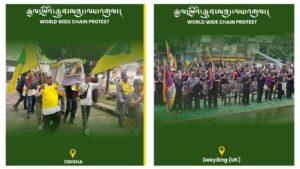
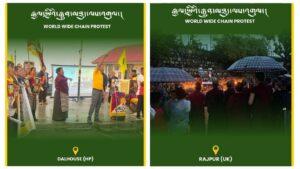
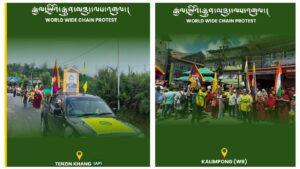
In India: The Central Tibetan Youth Congress (TYC) initiated a chain hunger-strike protest, marking the first phase of the worldwide chain protest campaign. Subsequently, Regional Tibetan Youth Congress (RTYC) chapters across India organized protests and solidarity activities. In Regional Tibetan Youth Congress Kalimpong, women and men shaved their heads as a gesture of mourning and respect for Pawo Lobga Rangzen, followed by similar expressions of solidarity among members of the Tibetan public in Dharamshala.

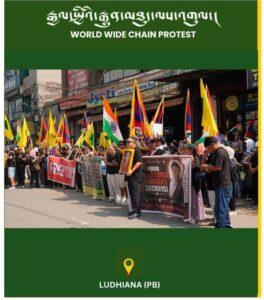
On 22 August 2026, the TYC Global Chain Campaign continued in Ludhiana, where nearly 500 Tibetans from across India, including the Central Tibetan Youth Congress executive members, and members of RTYC Paonta Sahib, joined a peaceful “Chalo Ludhiana” protest march organized by RTYC Bhandara. Marching from 3 Division Chowk to Sundar Nagar Chowk, participants raised awareness about Pawo Lobga Rangzen and the ongoing situation in Tibet. Local Lala (merchant) members also joined the campaign, demonstrating solidarity with the Tibetan people. The protesters condemned China’s so-called “Ethnic Unity Law” as a “Black Law” and called for its immediate repeal, reaffirming their commitment to justice, freedom, and peace for Tibet.

In Abroad: Following the launch of the worldwide campaign, Regional Tibetan Youth Congress chapters in various countries, including France, New York & New Jersey, Minnesota, Toronto and many others, organized protests and solidarity activities on different dates. The Central TYC President, Mr. Tsering Chomphel, travelled from India to participate in and oversee campaign activities abroad.

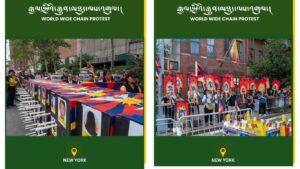
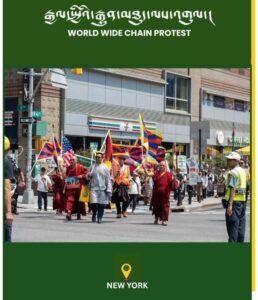
In New York City, the Tibetan Youth Congress (TYC), in collaboration with the Regional Tibetan Youth Congress New York & New Jersey (RTYC NY&NJ), organized three major demonstrations as part of the worldwide chain protest campaign. On 2 August 2026, more than 700 participants joined a Coffin March from Jackson Heights to the United Nations Headquarters to honor Tibetan martyrs and call for international action on Tibet. On 6 August 2026, over 300 Tibetans participated in the “Flames of Aspiration” demonstration, paying tribute to Tibetan self-immolators and reaffirming their commitment to Tibet’s freedom, justice, and independence. Subsequently, on 12 August 2026, marching from the United Nations Headquarters to the Chinese Consulate in New York to call for the restoration of Tibet’s independence and draw attention to the ongoing situation in Tibet. Through these demonstrations, participants urged the international community to address human rights concerns in Tibet and support the Tibetan people’s aspirations for freedom and justice.

The TYC also unequivocally rejects China’s so-called Ethnic Unity and Progress Law, which threatens the distinct identity, language, culture, and national existence of the Tibetan people under the guise of ethnic unity.

The Tibetan Youth Congress remains committed to sustaining the worldwide chain protest campaign through continued actions across different regions until the United Nations responds to the sacrifice of Pawo Lobga Rangzen and addresses the concerns and aspirations of the Tibetan people. The campaign reaffirms the Tibetan people’s determination to pursue freedom, justice, and independence through collective action and international solidarity.


PROTESTS IN INDIA : 


PROTESTS ABROAD : 


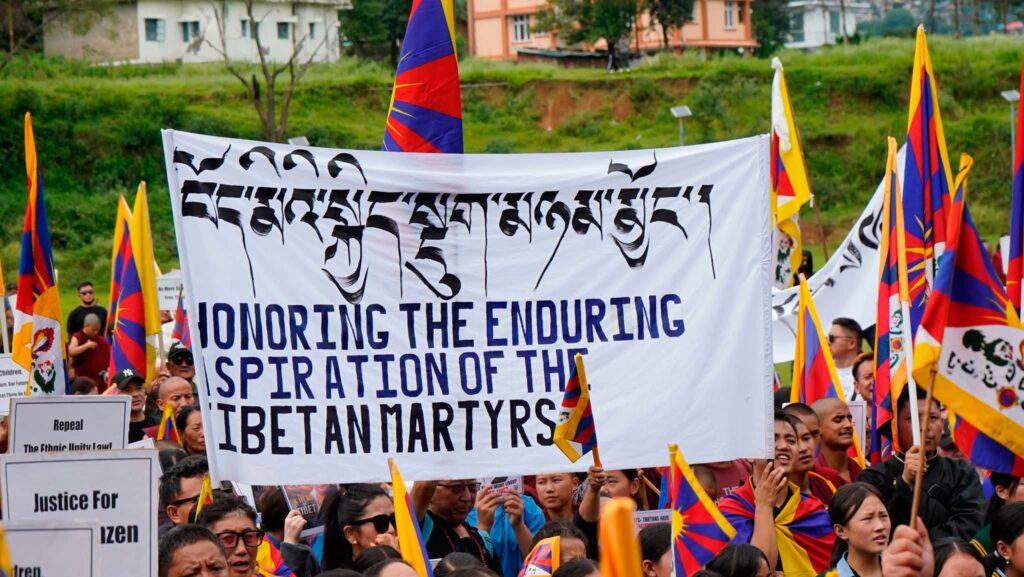
Peaceful March: Honouring the Enduring Aspirations of the Tibetan Martyrs

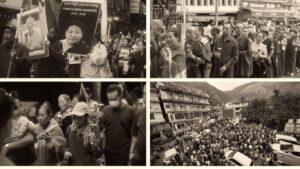
June 20, 2026 marked the 49th day since the passing of Martyr Lobga Rangzen, who sacrificed his life for the cause of Tibet and the aspirations of the Tibetan people.

A memorial service and prayer ceremony were jointly organized by the Central Tibetan Administration and the Tibetan Parliament in Exile at the Tsuglagkhang, the Dalai Lama Temple, in McLeod Ganj, Dharamshala. The ceremony was attended by thousands of Tibetans and supporters of Tibet.

Following the memorial service, Honourable Sikyong Mr. Penpa Tsering formally concluded the Dharamshala part of the Tibetan Youth Congress’s continuous Chain Hunger Strike, which had been organized in remembrance of Pawo (Martyr) Lobga Rangzen and in protest against China’s so-called “Ethnic Unity Law.” As part of the same continuous campaign, the strike continues in front of the United Nations Headquarters in New York, USA, at the very location where Martyr Lobga Rangzen made the ultimate sacrifice for the Tibetan cause. The protest seeks to keep his aspirations alive and call for international attention to the Tibetan struggle and the grave consequences of China’s policies in Tibet.

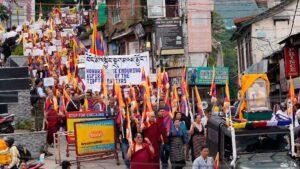
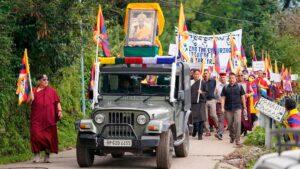
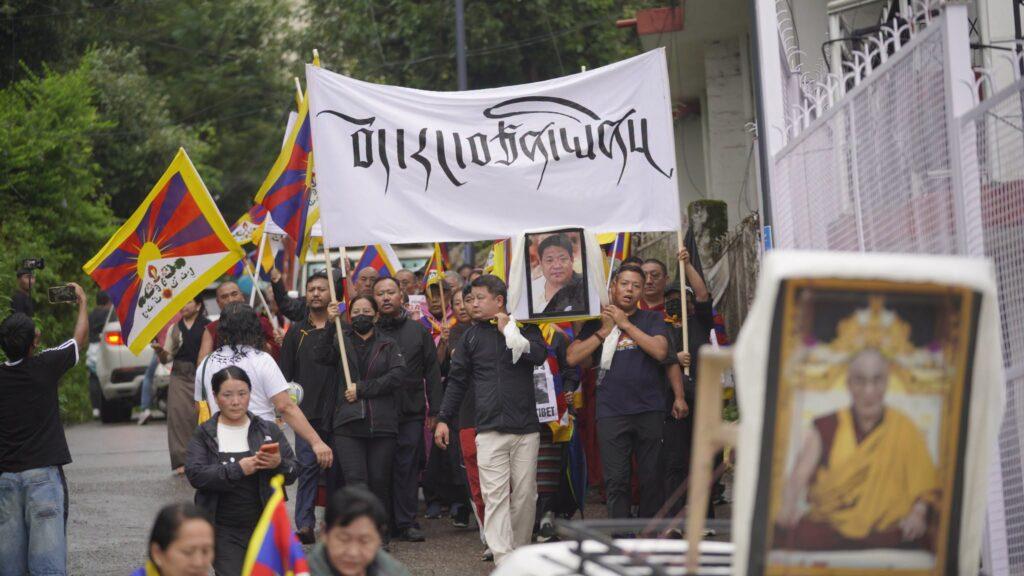
The Central Tibetan Administration, the Tibetan Parliament in Exile and Tibetan Youth Congress subsequently organized a peaceful mass march led from the Dalai Lama Temple to the Police Ground, Dharamshala. Thousands of Tibetans and Tibet supporters from different nationalities joined the march, united in honouring Martyr Lobga Rangzen and reaffirming their commitment to the Tibetan cause.

The concluding ceremony at Police Ground was moderated by the Tibetan Youth Congress. Distinguished guests — Honourable Sikyong Mr. Penpa Tsering; President of the Indo-Tibetan Friendship Society, Shri Ajit Nehria; Dharamshala Mayor, Shri Shamsher Singh Nehria; and a representative of Shri Shanta Kumar — addressed the gathering, expressing solidarity with the Tibetan people and paying tribute to the courage and sacrifice of martyr Lobsang Rangzen. Statements from the Tibetan Cabinet (Kashag) and the Tibetan Parliament-in-Exile were also read out during the programme.

The 49th day commemoration concluded with a renewed commitment to carry forward Martyr Lobga Rangzen’s aspiration for a free Tibet and to continue raising the voice of Tibet on the international stage.

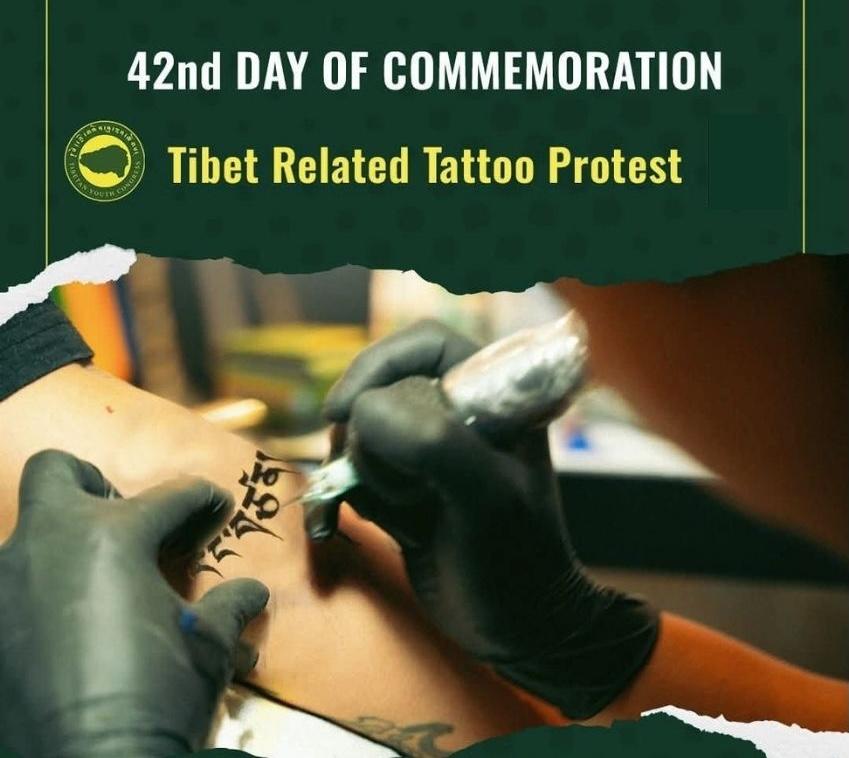
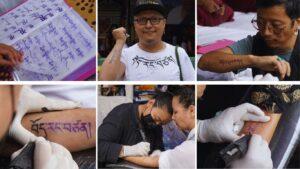
Tattoo Protest: Protest in the Form of Art

On the 42nd day (sixth week) commemoration of Pawo Lobga Rangzen, who self-immolated in front of the United Nations Headquarters in New York for the cause of Tibet, the Tibetan Youth Congress organized a day-long tattoo protest as a tribute to his sacrifice. Participants could get Tibet-themed tattoos featuring powerful messages and symbols of the Tibetan freedom struggle — including the map of Tibet and expressions of national identity, unity, resilience, and resistance against China’s ongoing repression and assimilation policies in Tibet. It was a unique and symbolic protest action honouring his sacrifice and unwavering commitment to Tibetan independence.

This initiative seeks to transform remembrance into a lasting expression of solidarity. By carrying these symbols, participants ensure that the sacrifice of Martyr Lobga Rangzen and the aspiration for a free and independent Tibet remain permanently etched in their hearts, minds, and collective memory — inspiring continued commitment to the Tibetan cause across generations.

Candlelight Vigil at Dharamshala: Observing one month passing of pawo lobga rangzen

On July 2, 2026 — marking one month since pawo Lobga Rangzen self-immolated for the cause of Tibet’s freedom and independence — a candlelight vigil was held in his memory, together with a protest against the Chinese communist government newly implemented “Ethnic Unity Law” and an appeal action directed at the United Nations. Organized by non-governmental Tibetan organizations based in the exile  and by Tibet Support Groups in Dharamsala. Hundreds of Tibetans and supporters of the Tibetan cause held the candlelight procession from McLeod Ganj market to Bhagsu.


Tribute to Pawo Lobga Rangzen at the United Nations Headquarters, New York

On 31 July 2026 at 5:30 PM, Tibetan Youth Congress President Mr. Tsering Chomphel, former TYC President Mr. Tsewang Rigzin la, and former TYC Centrex member Mr. Norsang la visited the site in front of the United Nations Headquarters in New York, where Pawo Lobga Rangzen made the ultimate sacrifice through self-immolation for the just cause of Tibet.

The visit was a solemn act of remembrance and tribute, intended to honor Pawo Lobga Rangzen at the very place where he gave his life and to reflect on the message behind his final act. His sacrifice was a powerful appeal to the international community, particularly the United Nations, to recognize the continued suffering of the Tibetan people and the urgent need for meaningful international attention to the situation in Tibet.

Standing at the site of his sacrifice, TYC leaders expressed profound respect for his courage and solidarity with his family and the Tibetan people. The visit also reaffirmed the Tibetan Youth Congress’s determination to ensure that his sacrifice and the aspirations he sought to convey are not forgotten or overlooked.

Pawo Lobga Rangzen’s sacrifice remains a deeply painful reminder of the consequences of the continued repression of the Tibetan people. At the same time, it strengthens the determination of Tibetans in exile to continue raising their voices peacefully for justice, freedom, human rights, and the restoration of Tibet’s independence.

The Tibetan Youth Congress calls upon the United Nations and the international community to listen to the aspirations of the Tibetan people and to take meaningful action on the situation in Tibet.

“NGO-LEN MEY!”: Tibetans in Dharamshala Reject China’s “Ethnic Unity” Law and Honours Pawo Lobga Rangzen

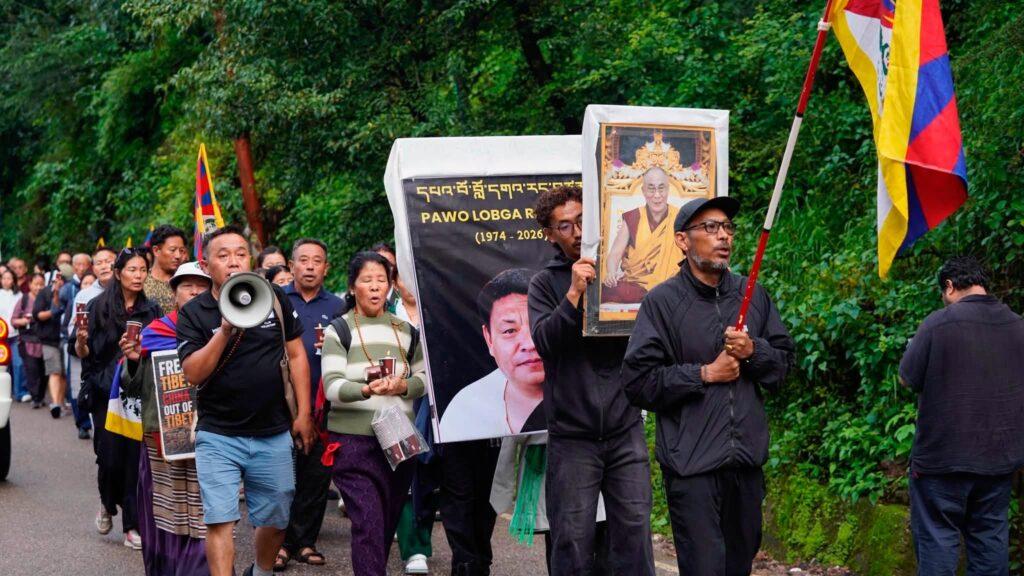
On Saturday, July 18, 2026, hundreds of Tibetans gathered in Dharamshala for a protest march against China’s newly implemented so-called “Ethnic Unity” Law and paying tribute to late Tibetan activist and  Pawo Lobga Rangzen la. The demonstration was jointly organised by Tibetan non-governmental organisations (NGOs) based in Dharamshala and Tibet Support Groups in solidarity with the Tibetan people’s continued struggle against China’s repression and Sinicization policies.

The march began at the parking area near the main temple of His Holiness the Dalai Lama and proceeded towards the Police Ground in Kachari. Hundreds of participants, dressed in black, marched with Tibetan national flags and posters honouring the sacrifice of Pawo Lobga Rangzen la and condemning China’s newly implemented legislation.


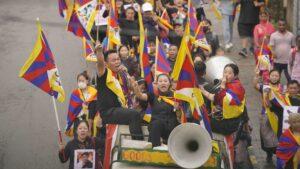
The streets of Dharamshala echoed with powerful chants of “Free Tibet!”, “Lobga Rangzen!”, “Lobga Died for Free Tibet!” and “China Out of Tibet!” Participants from across generations joined the march, with mothers and fathers carrying their children as they walked alongside fellow Tibetans, reflecting the collective and intergenerational nature of the Tibetan struggle.

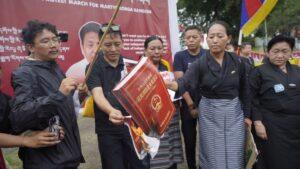
Upon reaching the Police Ground, protesters symbolically rejected China’s so-called Law on Promoting Ethnic Unity and Progress by setting fire to a printed copy of the law’s front cover. The act represented their unequivocal rejection of legislation they view as an attempt to further undermine Tibet’s distinct national identity, culture, language, and way of life.

As the cover burned, protesters raised the emphatic slogan “NGO-LEN MEY!”, expressing their refusal to recognise or accept the imposed law. The powerful closing demonstration reaffirmed the protestors’ opposition to China’s policies of political repression and forced assimilation in Tibet, while honouring Pawo Lobga Rangzen la’s ultimate sacrifice for the cause of a free Tibet.


The march concluded with a renewed call for unity among Tibetans and solidarity from the international community in opposing China’s continued repression in Tibet and supporting the Tibetan people’s pursuit of freedom and justice.

Back To Top