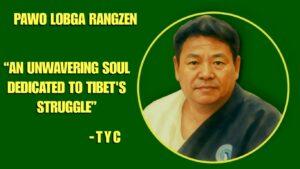
Martyr Lobga Rangzen: A Life Dedicated to Tibet’s Freedom


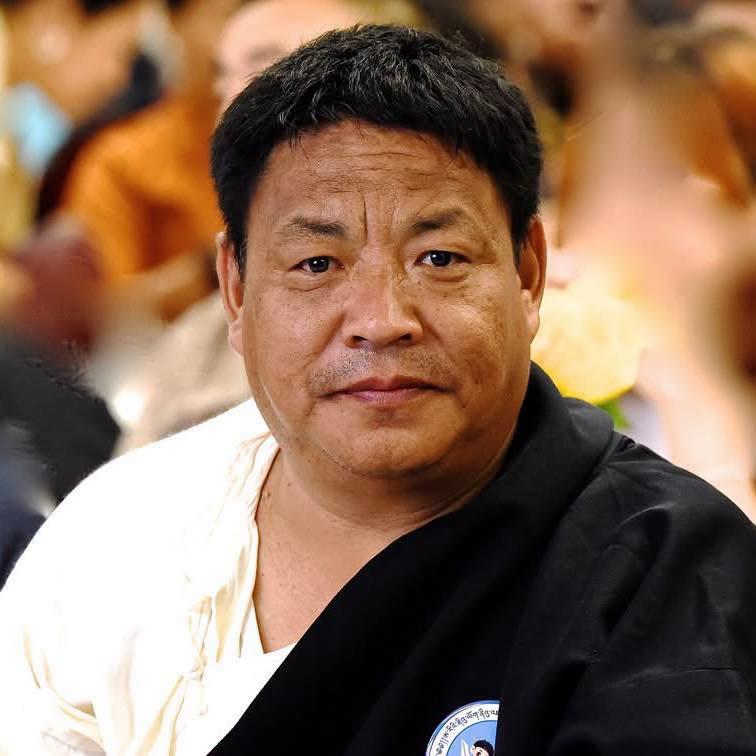
The Tibetan Youth Congress bows its head in profound sorrow and deepest respect as we commemorate the supreme sacrifice of Martyr Lobga Rangzen. His selfless act stands as one of the most solemn chapters in the history of the Tibetan freedom movement and serves as a lasting reminder of the immense sacrifices made by Tibetans in their unwavering pursuit of an independent Tibet. We honour not only the manner of his passing, but the extraordinary life of courage, conviction, compassion, and service that preceded it.

On 2 July 2026, at approximately 6:00 p.m., Martyr Lobga Rangzen, a devoted Tibetan freedom activist, self-immolated in front of the United Nations Headquarters in New York in protest against the Chinese government’s so-called “Ethnic Unity Law” and the relentless oppression and repression endured by Tibetans under Chinese occupation. His sacrifice, the first recorded Tibetan self-immolation on United States soil, sent shockwaves throughout the Tibetan community in exile and stands as a profound act of resistance against China’s continued occupation of Tibet.

His self-immolation came just one day after the implementation of China’s so-called “Ethnic Unity Law,” legislation widely condemned for accelerating the forced assimilation of Tibetans and other non-Han peoples through the systematic erosion of their language, culture, religion, and national identity. His final act was intended not merely as a protest, but as a desperate appeal to awaken the conscience of the international community to the grave human rights crisis unfolding inside Tibet. It reflected the immense suffering endured by Tibetans living under occupation and the unyielding determination of a people who refuse to surrender their identity or their aspiration for freedom.

At the time of his sacrifice, Pawo Lobga Rangzen was dressed in a traditional Tibetan chupa, with the Tibetan national flag raised proudly beside him. He also carried placards bearing the words “Free Tibet” and “China Out of Tibet.” He succumbed to his injuries at approximately 7:04 p.m. the same evening at Bellevue Hospital in New York.

Before carrying out his final act of protest, Pawo Lobga Rangzen livestreamed his last message to the Tibetan people through Facebook. In his final appeal, he urged Tibetans everywhere to remain united in the struggle for Tibet’s independence, reminding the world that Tibetans inside Tibet continue to endure severe restrictions on their fundamental human rights, including the denial of religious freedom, freedom of expression, and even the right to openly display photographs of His Holiness the 14th Dalai Lama. He declared:

“We did not lose our country. Our country exists—it remains under China’s occupation. We must reclaim our independence.”

Pawo Lobga Rangzen served as President of the Tibetan National Congress and formerly as an Executive Member of the Regional Tibetan Youth Congress of New York and New Jersey. Throughout his life, he remained unwavering in his commitment to the Tibetan freedom movement. Whether through public demonstrations, advocacy campaigns, community organizing, or political activism, he dedicated himself tirelessly to advancing the cause of Tibet’s independence and exposing the ongoing human rights abuses committed under Chinese occupation.

His courage was matched by remarkable humility and compassion. Beneath his steadfast determination was a deeply kind and joyful individual who quietly devoted himself to preserving Tibetan faith, culture, language, and national identity in exile. His love for his country was not merely expressed in words, but embodied through a lifetime of service, sacrifice, and unwavering conviction.

No words can adequately express the gratitude the Tibetan people owe to Pawo Lobga Rangzen. His extraordinary courage, unwavering conviction, and ultimate sacrifice have become an enduring part of our nation’s history. He gave not only his voice, his strength, and his years to the Tibetan freedom movement, but ultimately his very life so that the truth of Tibet’s suffering would not be forgotten. His sacrifice belongs not only to this generation, but to every Tibetan who dreams of seeing a free and independent Tibet.

The Tibetan Youth Congress extends its deepest condolences to his family, friends, fellow activists, and all those who had the privilege of knowing him. While they mourn the loss of a beloved son, brother, friend, and compatriot, the Tibetan nation mourns one of its bravest defenders. We share in their grief and pray that they may find strength and solace in knowing that his life and sacrifice have become an enduring source of inspiration for Tibetans across the world.

To date, more than 170 Tibetans are known to have self-immolated in protest against Chinese rule, representing one of the largest sustained waves of self-immolation as political resistance in modern history. Each sacrifice reflects the immense suffering endured under occupation and the unyielding aspiration of the Tibetan people to live in freedom. Despite these extraordinary sacrifices, the international and UN responses has too often failed to match the gravity, urgency, and moral responsibility demanded by the situation. The continued silence of the international community only deepens the responsibility upon all who believe in justice, human rights, and the fundamental right of every people to determine their own future.

Martyr Lobga Rangzen’s sacrifice will forever remain a solemn reminder that the struggle for Tibet continues. His final act was not born of despair, but of profound love for his homeland and an unshakable belief that Tibet must one day be free. The greatest tribute we can offer him is not merely to remember his sacrifice, but to carry forward the cause for which he gave his life. The Tibetan Youth Congress solemnly pledges to honour his legacy by continuing, with renewed determination and unwavering resolve, the struggle for the restoration of Tibet’s independence until the Tibetan national flag once again flies freely over a liberated Tibet.

May Martyr Lobga Rangzen’s noble sacrifice forever illuminate the path of the Tibetan freedom movement. May his courage strengthen our resolve, his conviction inspire our actions, and his memory remain eternal in the heart of every Tibetan. We shall remember him with profound gratitude, immeasurable respect, and an enduring commitment to fulfill the dream for which he made the ultimate sacrifice—a free and independent Tibet.
statement (Tib)       statement (Eng)

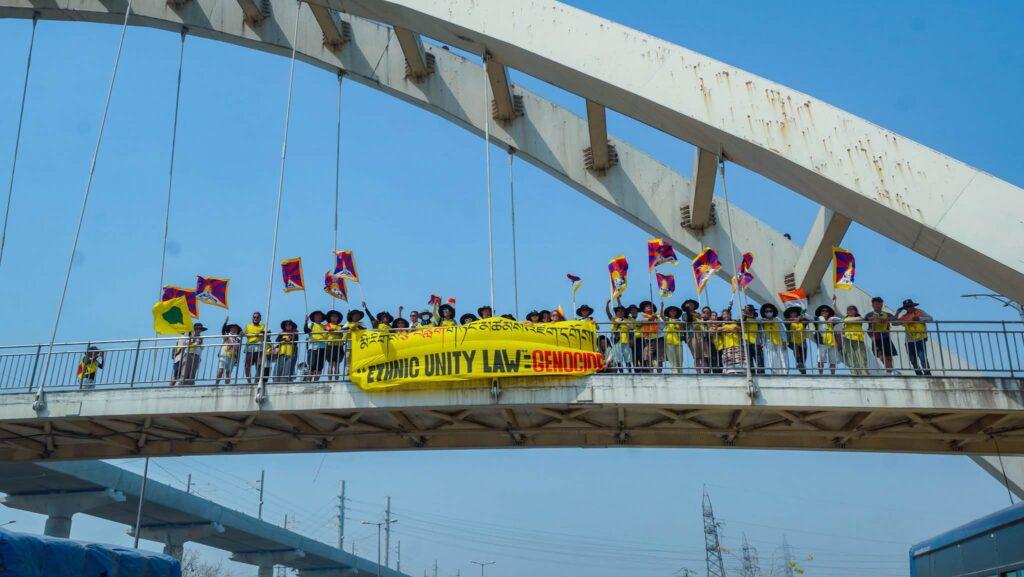
Pomegranate Protest: Abolish Ethnic Unity Law


On 1 July 2026, as the People’s Republic of China implemented its so-called “Ethnic Unity and Progress Law,” Tibetans around the world stood united in opposition to an unjust law aimed at undermining the distinct identity of the Tibetan people.

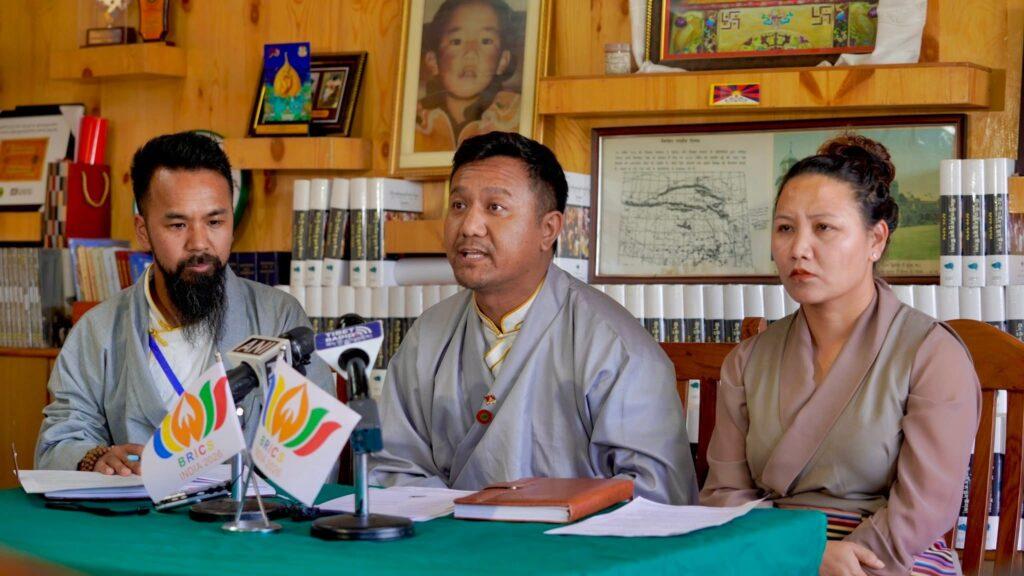
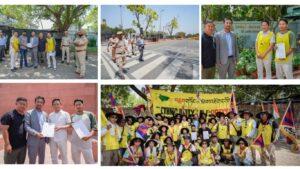
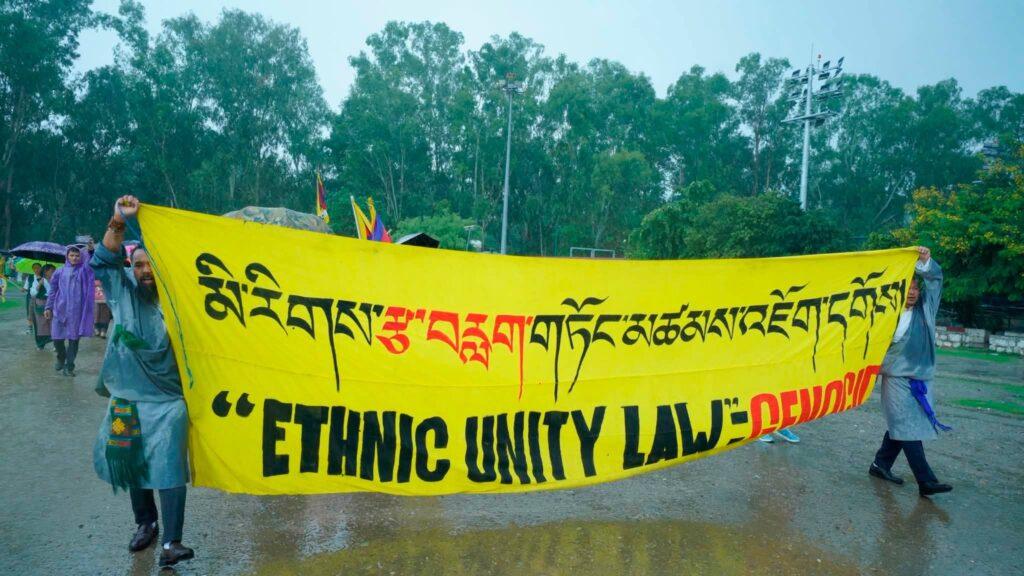
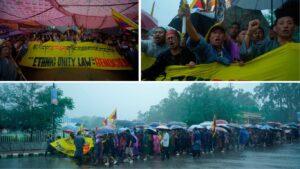
During its ongoing 55th Working Committee Meeting, the Tibetan Youth Congress (TYC) organized a protest in Dehradun under the banner “POMEGRANATE PROTEST: Abolish the Ethnic Unity Law.” The protest campaign condemned the implementation of the law,  as it is the gravest threats to Tibetan identity, language, culture, and religion in recent decades.

With the Central Executive Committee and representatives from more than 30 Regional Chapters gathered for the 55th Working Committee Meeting, members of the Tibetan Youth Congress came together in a united display of resistance against the law and reaffirmed their commitment to safeguarding the rights and identity of the Tibetan people.

The protest was further strengthened by the participation and solidarity of members from Bharat Seema Jagran Manch, Bharat Tibet Sahyog Manch (BTSM), and Bharat Tibet Mitra, who joined the demonstration in support of the Tibetan cause.


TIBETAN YOUTH CONGRESS STATEMENT: 
The Tibetan Youth Congress (TYC) strongly condemns the implementation of the so-called People’s Republic of China’s “Ethnic Unity and Progress Law,” which comes into force on the 105th founding anniversary of the Chinese Communist Party. This legislation represents one of the most serious threats to the survival of Tibetan identity in recent decades.
Under Han-dominated leadership, Beijing continues to consolidate its unilateral control by institutionalizing policies aimed at assimilating Tibetans through political repression, cultural interference, economic domination, and coercive state measures. More than six decades after the occupation of Tibet, the Chinese Communist Party has intensified its campaign to Sinicize Tibet under the guise of promoting “ethnic unity.” By advancing a single Han-centric national identity.
The pomegranate metaphor seeks to portray all ethnic groups as inseparable parts of a single Chinese national identity. However, Tibet’s distinct civilization, language, religion, and historical experience cannot be reduced to a seed within another nation’s narrative. True coexistence must be based on respect for identity, not assimilation.
The concerns raised by the United Nations High Commissioner for Human Rights and various UN Special Rapporteurs clearly demonstrate that China’s assimilation policies violate internationally recognized human rights standards, including the rights to culture, language, religion, and self-determination.
Therefore, the Tibetan Youth Congress calls upon:
1. The Government of India and democratic nations worldwide to unequivocally condemn China’s forced assimilation policies in Tibet.
2. The United Nations Human Rights Council and its member states to take concrete multilateral action to address the deteriorating human rights situation in Tibet.
3. The People’s Republic of China to immediately abolish the colonial boarding school system and cease all policies aimed at erasing Tibetan identity, language, religion, and culture.
4. The international community, governments, and human rights organizations to closely monitor the implementation of this law and hold the Chinese government accountable for policies that threaten the survival of Tibetan identity and violate internationally recognized human rights norms.
The implementation of this law marks a dangerous turning point in China’s policies toward Tibet. If left unchallenged, it threatens the intergenerational transmission of Tibetan language, religion, and culture, and risks the irreversible destruction of the Tibetan nation’s unique identity and heritage.
The Tibetan Youth Congress unequivocally condemns and rejects this genocide law. As we declared during the Black Hat March Campaign in April, we once again raise our voice in opposition to this assimilationist legislation, which stands in direct contradiction to the principles enshrined in the United Nations Charter, international human rights standards, and fundamental freedoms. Such measures undermine cultural diversity, religious freedom, and the right of communities to preserve, protect, and develop their own identity, language, and way of life.
On this 1 July, Tibetans across the world stand united in defense of our identity, culture, and fundamental rights, as well as our collective aspiration for a Free and Independent Tibet. We call upon global leaders, democratic governments, human rights defenders, and people of conscience everywhere to stand in solidarity with Tibet and resist all attempts to erase the identity, dignity, and existence of the Tibetan people. The struggle for Tibet is not only a struggle for one nation—it is a struggle for justice, human dignity, cultural survival, and the universal right of all peoples to live freely and determine their own future.

“Injustice anywhere is a threat to justice everywhere. We are caught in an inescapable network of mutuality, tied in a single garment of destiny. Whatever affects one directly, affects all indirectly.” –   Martin Luther King Jr., Letter from the Birmingham Jail

Statement by the Tibetan Youth Congress on the Visit of Chinese Foreign Minister Wang Yi to India for the 18th BRICS Summit

As Chinese Foreign Minister Wang Yi visits India in connection with the 18th BRICS Summit and discussions on Sino-Indian border issues, the Tibetan Youth Congress reiterates that the People’s Republic of China cannot credibly claim global leadership while continuing its occupation of Tibet and repression of the Tibetan people.

As India hosts the summit under the theme, “Building for Resilience, Innovation, Cooperation and Sustainability,” we urge leaders to recognize that genuine regional stability and cooperation cannot be achieved without addressing the unresolved issue of Tibet.

The question of Tibet remains one of decolonization, international peace, and justice. The ongoing Sino-Indian border dispute is a direct consequence of China’s occupation of Tibet, and no lasting solution can be achieved without addressing its root cause.

The Tibetan Youth Congress calls upon the Government of India, democratic nations, and the international community to support the Tibetan people’s inalienable right to self-determination and their aspiration for a Free and Independent Tibet. We further urge world leaders to ensure that human rights, freedom, and justice remain central to all engagement with China.
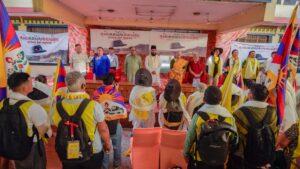
A Free Tibet is essential not only for the survival of the Tibetan nation and its unique cultural heritage, but also for lasting peace, stability, and security across Asia.

statement (Eng)  statement (Tib)

Tibetan Youth Congress Commemorates 75th Anniversary of the Seventeen Point Agreement with Panel Discussion


On this solemn occasion marking the 75th anniversary of the so-called “Seventeen Point Agreement,” forcibly imposed upon Tibet under military intimidation and coercion by the Chinese Communist government, the Tibetan Youth Congress reaffirms its longstanding commitment to commemorating this historic injustice. Having passed resolutions on this matter at the 6th General Body Meeting in 1986 and the 21st Executive Committee Meeting in 1990, the Tibetan Youth Congress has officially observed this anniversary annually and continues to do so.

In commemoration of this anniversary, the Tibetan Youth Congress, in collaboration with the Voice of Tibet, has organised a Panel discussion on the topic 17 – point agreement at the Voice of Tibet studio, featuring distinguished guest speakers, Translator and Writer, Chung Tsering la, Tibet Freedom Activist and Poet,  Tenzin Tsundue la and Former Director of Tibet Policy Institute, Dawa Tsering la.


On this occasion, the Tibetan Youth Congress also expresses its heartfelt admiration and sincere gratitude to Translator Chung Tsering la and Secretary of TPiE Sonam Dorjee la for their years of dedicated research and hard work in authoring and publishing the book titled བོད་མི་དམངས་འཆིང་བྱེད་ཀྱི་ལྕགས་སྒྲོག། (A Study of the 17-Point Agreement and its History) — a significant work specially released to coincide with this important anniversary. We are deeply honoured by their remarkable contribution to the Tibetan cause.

click here for YouTube link : Anniversary of 75th year of 17- Point Agreement with Panel Discussion

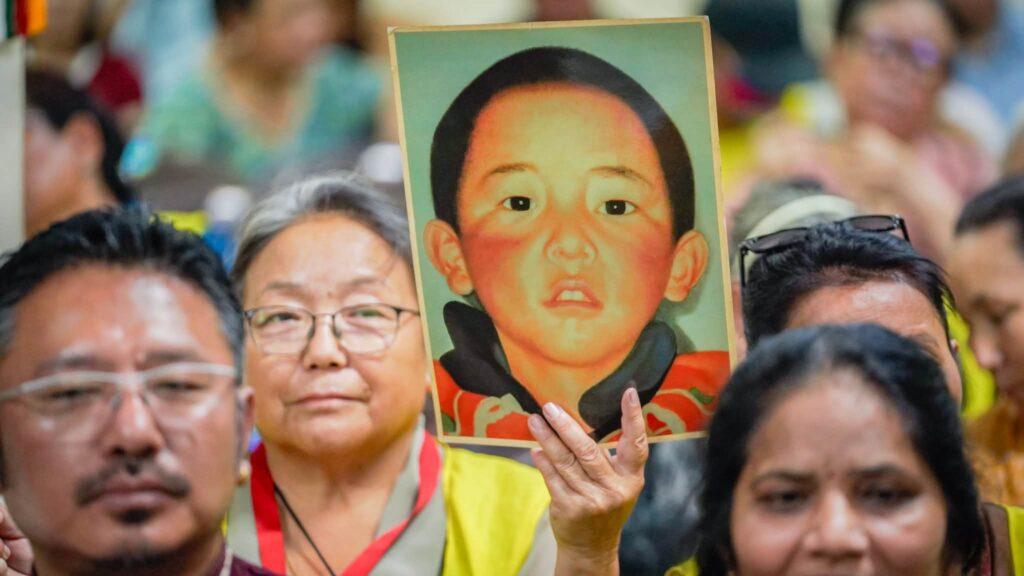
Tibetan Youth Congress Observes 31st Anniversary of the 11th Panchen Lama’s Abduction with Mass Awareness Drive

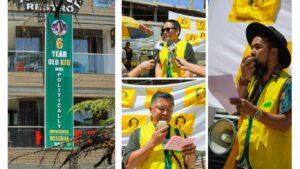
On the solemn 31st anniversary of the abduction of the 11th Panchen Lama by the so-called Chinese government, along with his family members, the Tibetan Youth Congress, in collaboration with the National Democratic Party of Tibet and the Regional Tibetan Youth Congress Dharamshala, organized a full-day awareness campaign highlighting his enforced disappearance and the ongoing human rights situation inside Tibet.

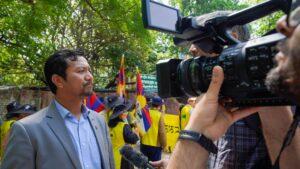
The campaign commenced at 10:00 AM at McLeod Ganj Main Square with the unveiling of a 20-foot banner of the 11th Panchen Lama from the fourth floor of Hotel Asian Plaza. Following the display, the General Secretary and Joint Secretary addressed the media and the public, reading official statements in both English and Hindi, underscoring the importance of remembering the Panchen Lama’s disappearance and raising global awareness about the situation in Tibet.

Volunteers and activists then distributed informational pamphlets among the large gathering of tourists and visitors at McLeod Ganj Main Square, engaging with the public and spreading awareness about the issue.

The campaign subsequently continued at the Dharamshala Cricket Stadium, where nearly 40,000 cricket fans had gathered. Members of the campaign distributed pamphlets to spectators and encouraged them to share information about the 11th Panchen Lama widely across digital and social media platforms to amplify international awareness.

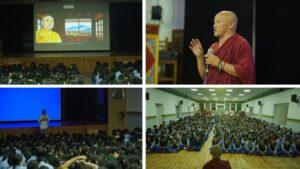
The final segment of the campaign was held at Upper TCV School, where a documentary screening on the life and enforced disappearance of the 11th Panchen Lama was organized for students. The session featured Gen Ngawang Woebar la, who shared his personal experiences of illegal political imprisonment under the so-called Chinese government and spoke about the current situation inside Tibet. The day-long campaign concluded with an interactive question-and-answer session with the students.

TYC President Holds Key Engagements with Indian Political Leaders on Tibet Issue

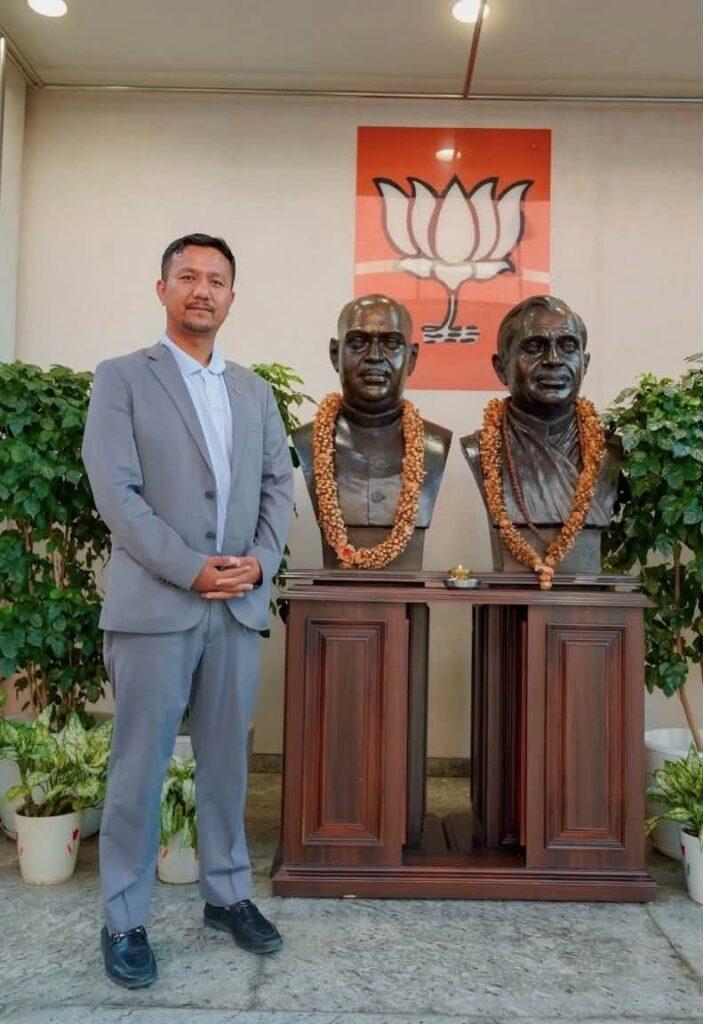
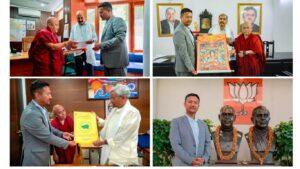
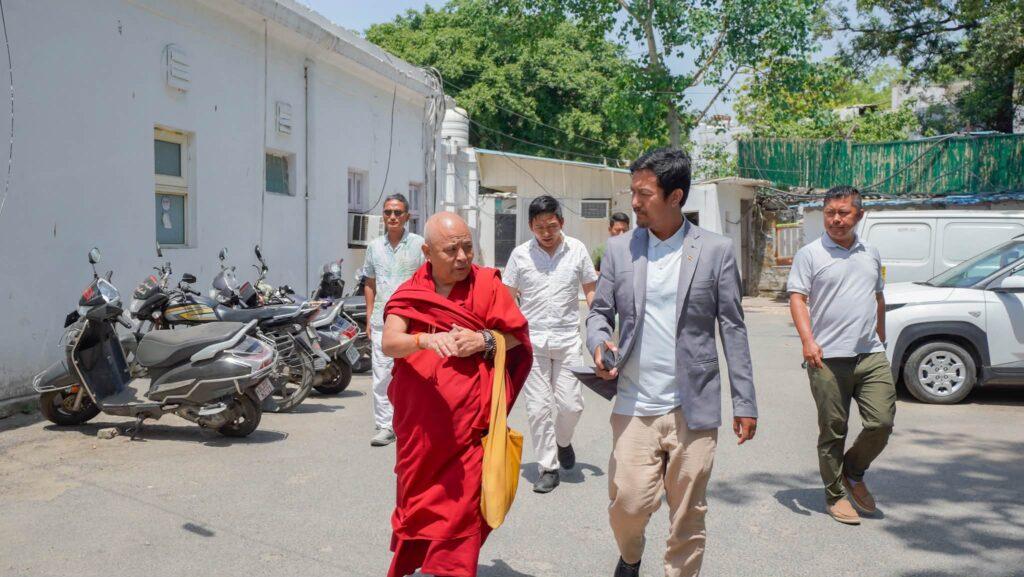
On 27 April 2026, the President of the Tibetan Youth Congress, Mr. Tsering Chomphel, held a series of important engagements with leaders and representatives from various Indian political parties to discuss the current situation in Tibet and ongoing Tibetan advocacy efforts.

During the meetings, discussions centered on the recent TYC Black Hat March, the worsening situation inside Tibet, and the importance of strengthening support and awareness for the Tibetan cause across India. The exchanges also reflected on the contributions and activism of Tibetans in earlier decades and emphasized the continued need for broader grassroots engagement and solidarity.

Among those met were Shri Krishna Pal Ji, National Secretary of the Samajwadi Party; Shri Brijesh Pal Ji, Personal Assistant to Shri Harsh Mahajan and a long-time supporter of the Tibetan cause; and Shri Mahendra Pandey Kumar Ji, Office Secretary of the Bharatiya Janata Party, who reiterated his long-standing support for Tibet and stressed the importance of expanding advocacy initiatives throughout India, noted that, with the blessings of His Holiness the 14th Dalai Lama, global awareness about Tibet has grown, but more grassroots efforts are still needed.

The day concluded with informal discussions at the BJP headquarters, marking a productive and meaningful series of interactions with leaders from across the Indian political spectrum.

The Tibetan Youth Congress sincerely extends its gratitude to Former Deputy Speaker of the Tibetan Parliament-in-Exile, Kungo Acharya Yeshi Phuntsok La, for facilitating and arranging these significant meetings. His continued guidance and support are deeply appreciated.

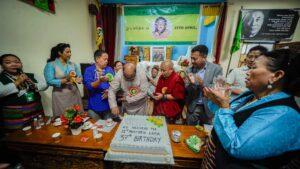
11th Panchen Lama’s 37th Birthday and Appreciation for Black Hat March Participants

On the occasion of the 37th birthday of His Holiness the 11th Panchen Lama, the Regional Tibetan Women Association (RTWA) invited the Black Hat March participants as special guests to their commemorative program. The event served not only as a moment of reflection and reverence but also as a special occasion to honor the dedication and efforts of the marchers following the successful conclusion of the Black Hat March.

During the program, the President of the Tibetan Youth Congress, Mr. Tsering Chomphel, addressed the gathering and shared insights from the Black Hat March, reflecting on its significance, challenges, and journey. RTWA Delhi also honored all the marchers with traditional scarves as a gesture of respect and appreciation for their commitment to the Tibetan cause.


Following the conclusion of the program, all Black Hat March participants were presented with appreciation certificates in recognition of their dedication and efforts throughout the campaign.

The marchers were also hosted for an evening dinner at Everest Thakali in a spirit of solidarity and support. We are deeply grateful to Everest Thakali for their generous hospitality. Special appreciation goes to the owners—Tenzin Jigme La, former TYC President; Rinchen La, former Director of TNSA; and Chosang La, RTYC Delhi Working Committee member—for their kindness and continued support.

Sincere thanks are also extended to RTWA Majnu Ka Tilla, the GRS Association, and the Do Kham Chushi Gangdruk Central Executive, as well as to all supporters and donors of the Black Hat March. Your contributions have been invaluable in making this movement a success.


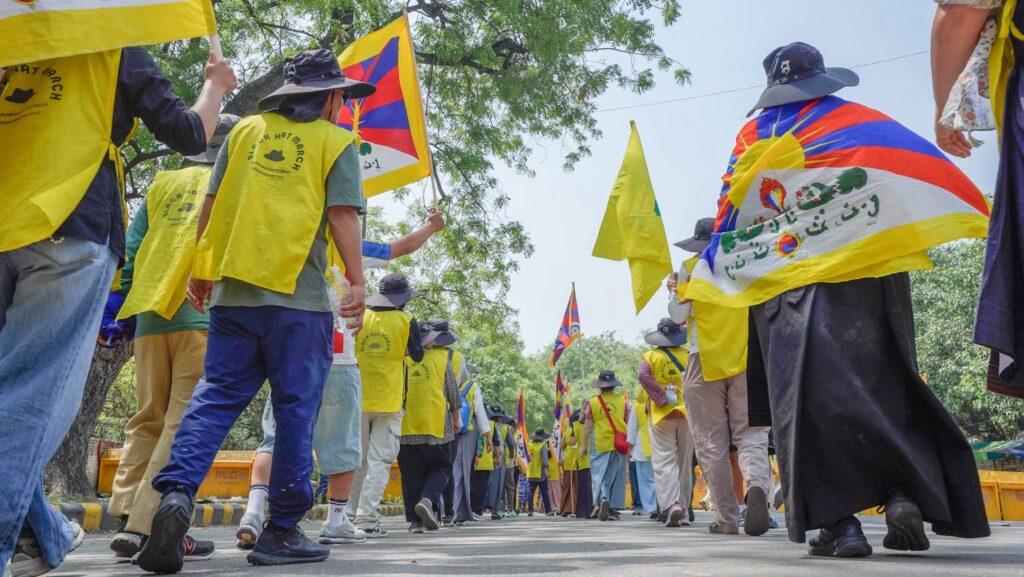
Black Hat March | Day 25 : Conclusion and Demonstration at Jantar Mantar, New Delhi

Day 25 marked the conclusion of the Black Hat March. The Tibetan Youth Congress organized a demonstration at Jantar Mantar, New Delhi.

At around 10:00 AM, the marchers raised powerful slogans: “Free Tibet,” “Tibet belongs to Tibetans,” “Stop killing inside Tibet,” “Stop cultural genocide in Tibet,” and “The Ethnic Unity Law is a law of genocide.”

During the demonstration, executive members of the Tibetan Youth Congress visited the United Nations office and the Prime Minister’s Office of India to submit memorandums. They appealed to the United Nations to address China regarding the recent so-called “Ethnic Unity Law” and to give greater attention to the human rights situation inside Tibet. Officials acknowledged the concerns and indicated that they would continue to look into the matter.

A memorandum was also submitted to the Prime Minister’s Office, expressing gratitude to the Government and people of India for their continued support and solidarity with the Tibetan cause.


Upon returning to Jantar Mantar, the Tibetan Youth Congress delivered the concluding address of the Black Hat March and briefed the media on the campaign and the current situation inside Tibet. With this, the Black Hat March campaign was officially concluded.

The President of the Tibetan Youth Congress stated:
“Today, we conclude the Black Hat March campaign, but our resistance movement will continue until Tibet is restored as an independent nation. A free Tibet will come, and that day is not far.”

Black Hat March | Day 24 : Official Political Outreach

On Day 24, the organizing committee (TYC Centrex) of the Black Hat March visited several national political party offices in India as part of its outreach efforts.

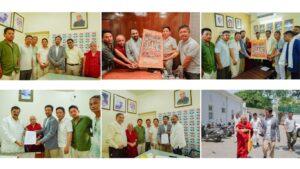
At around 11:30 AM, the delegation (TYC Centrex) visited the office of the Indian National Congress and met with AICC Joint Secretary Adv. Mathew Antony, along with senior Congress leader Sharma Ji and office bearer Manoj Ji.

At approximately 12:30 PM, the delegation visited the Janata Dal (United) office and interacted with Nisar Ji.

Later, at around 2:30 PM, the delegation visited the Samajwadi Party office, followed by a visit to the Rashtriya Lok Dal (RLD) office, where they met with Sarmapel Ji and Santosh Jaiswal Ji, National Secretary and spokesperson of RLD.

During these meetings, the delegation engaged with representatives from all four political parties, briefing them on the Black Hat March and its objectives. A memorandum was also submitted to each party office.

The team was encouraged by the positive responses received. Notably, the Indian National Congress reiterated its continued and strong support for the Tibetan people.

With this, the day’s political outreach concluded. Special thanks are extended to former Deputy Speaker of TPiE: Acharya Yeshi Phuntsok, former Deputy Speaker of the Tibetan Parliament-in-Exile, for his coordination and support in facilitating these meetings.


Black Hat March | Day 21 – 23 : From Samalkha to Samyeling Tibetan Settlement, Delhi

Day 21 – Black Hat March:


Day 21 of the Black Hat March began early at 5:00 AM with prayer meetings, followed by a detailed briefing from the organizing committee outlining the day’s schedule and objectives.

At around 1:00 PM, the marchers had lunch, generously sponsored by participant marchers: TYC Joint Secretary Ngawang Paljor La, RTYC Dekyiling President Ngawang Dhundup La, and Dekyiling marcher Chonden La. The meal was KFC and was enjoyed by all.

By approximately 4:00 PM, the marchers reached their destination in Murthal, Sonipat, where they received a warm welcome from Shri Pankaj Goyal Ji, National General Secretary of BTSM India, along with the Sonipat BTSM team led by Shri Sushil Kumar Ji. Arrangements for the night stay were thoughtfully made at Saroj Mata Mandir, Sonipat.

Special thanks are extended to Mandir Maharaj Shri Vikas Ji for his warm hospitality and kind words. He expressed his honor in hosting the marchers and conveyed his hope that Tibet will one day be free, with a shared aspiration to visit Mount Kailash together.

The day concluded with the marchers resting for the night. The Tibetan Youth Congress extends its heartfelt gratitude to Acharya Yeshi Phuntsok La, Former Deputy Speaker of TPiE, for his continued support of the TYC campaign in India. Sincere thanks are also extended to BTSM India under the leadership of Shri Pankaj Goyal Ji, and to all BTSM Haryana members for their unwavering support throughout the Black Hat March in the region.


Day 22 – Black Hat March:


The twenty-second day of the Black Hat March commenced as usual at 5:00 AM with prayer sessions, followed by a comprehensive briefing from the organizing committee detailing the day’s plans and objectives.


At around 12:30 PM, the marchers reached Singhu Border, where they were warmly welcomed by members of the Chushe Gangdruk Central Executive and the Delhi Regional Chapter. They expressed their appreciation for the marchers’ determination and dedication to the Tibetan cause.

At approximately 3:00 PM, members of the RTYC Rohini Student Working Committee visited the marchers at their place of stay and extended a respectful welcome. Their presence reflected the deep respect and admiration of the younger generation for the dedication and sacrifices of those involved in the Tibetan resistance movement.

The day concluded with a traditional Tibetan meal, after which the marchers retired early in preparation for the final day of the march. The Black Hat March campaign will officially continue until its conclusion on 25 April.

Day 23 – Black Hat March:


Day 23 of the Black Hat March began early at 4:30 AM with prayers, followed by a briefing from the organizing committee. It marked the final day of the march towards New Delhi.

At around 1:30 PM, the marchers reached the Samyeling Tibetan Community, where lunch was generously served at Chushi Gangdruk Hall, sponsored by Big Apple Restaurant.

By 4:00 PM, the marchers arrived at TCV Day School, where they were warmly welcomed by the Samyeling Tibetan community. The closing ceremony of the Black Hat March was held there, with addresses delivered by Tibetan Youth Congress President Tsering Chomphel, Former Deputy Speaker of TPiE Acharya Yeshi Phuntsok, Indo-Tibet Friendship Society Executive Member Smt. Joesina Ji, Bharat Tibet Sahyog Manch National General Secretary Shri Pankaj Goyal Ji, and Sarva Dharam Sansad Executive Member A.R. Shahseen Qaum Maulana Ji.

The vote of thanks was delivered by Tibetan Youth Congress Vice President Tashi Targyal, and the program was anchored by Joint Secretary Ngawang Paljor.


Dinner was hosted at Romeo & Juliet Restaurant in MKT. Heartfelt thanks are extended to the restaurant owner Ngawang Norbu La and Karma Kusang La for their generosity.

Accommodation for three nights was kindly arranged by the GRS Association. Deep gratitude is extended to all the guest house owners who waived room charges.

With this, the Black Hat March concluded. Despite the intense heat and physical exhaustion, the spirit of the resistance movement remained unwavering throughout the journey.

Back To Top