WORLD COMMUNITY SHOULD CHALLENGE CHINESE GOVERNMENT OVER ‘DE-TIBETANIZING’ OF TIBETAN CHILDREN BY USING EDUCATION AS A COLONIAL TOOL

International experts on Tibet and China sees the Chinese Boarding School System in today’s Tibet as a replay of similar Residential-School System which was adopted by the white settlers of America, Canada and Australia to wipe out the original culture and identity of local aborigines of these colonized lands.

-Vijay Kranti

New Delhi, London, Dharamshala

5 May 2022: An international group of China watchers and Tibet experts have called upon the world community and world governments to take serious note of and challenge the Chinese government over its latest campaign through a chain of residential Boarding Schools System where all types of communist and colonial tools are being used to brainwash and ‘de-Tibetanize’ an entire generation of Tibetan people. Holding President Xi Jinping and his Communist Party of China (CCP) administrators of Tibet responsible for this new campaign, the experts see a modern replica of similar residential school system at work which was adopted by the white settlers of America, Canada and Australia to wipe out the original culture and identity of local aborigines of these colonized lands.


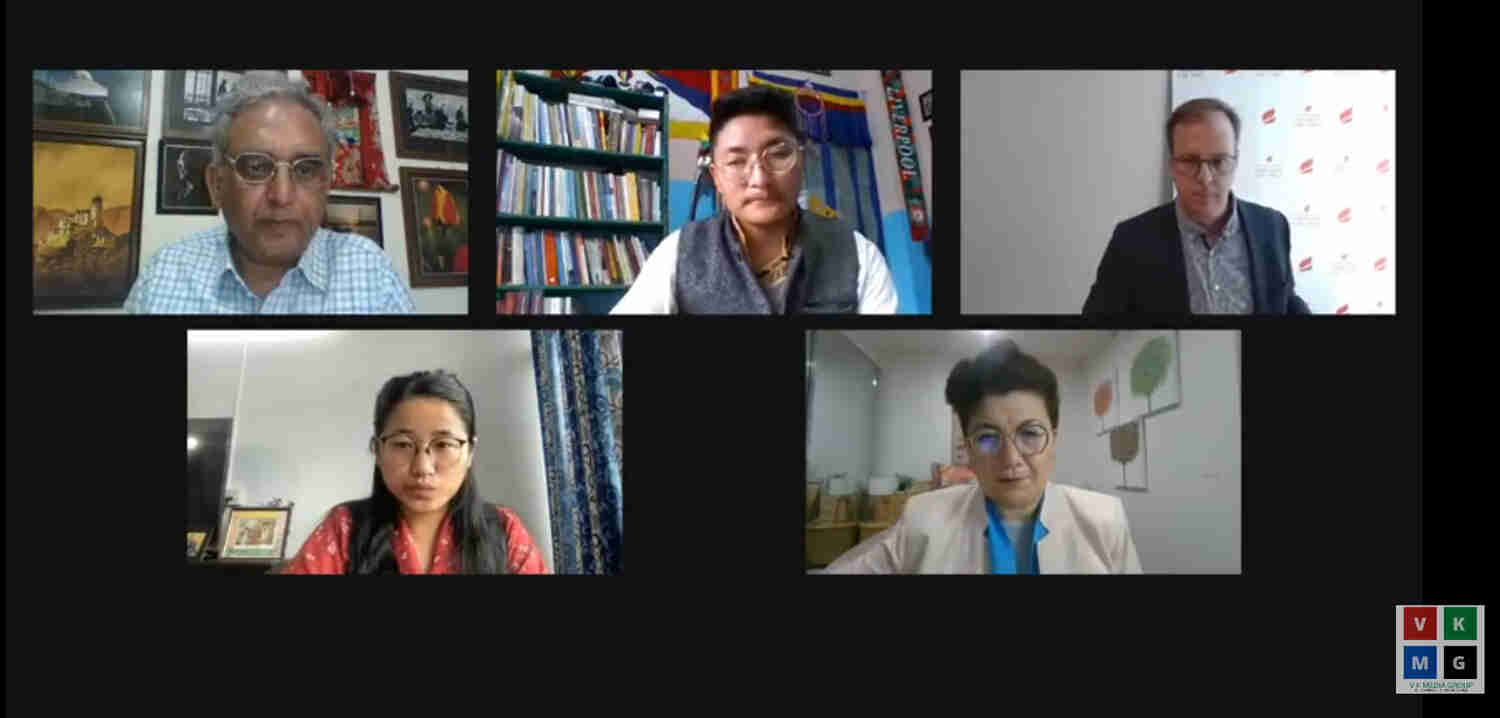
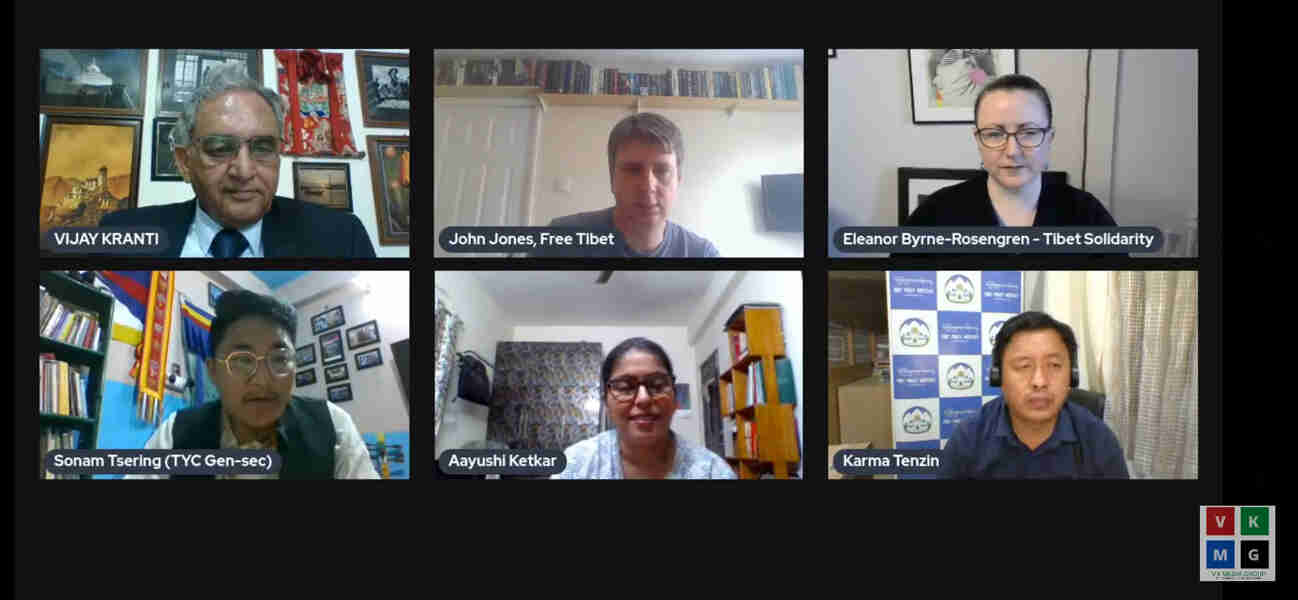
The experts participating in the international webinar on “China using Education as the Last Tool of Colonizing Tibetan Minds” was organized jointly by the Centre for Himalayan Asia Studies and Engagement (CHASE) of New Delhi and Tibetan Youth Congress (TYC), Dharamshala. The expert who participated were Ms. Eleanor Byrne-Rosengren from UK, the co-founder of ‘Tibet Solidarity’, John Jones of ‘Free Tibet’ in UK and Karma Tenzin, Research Fellow (Education) at the Tibet Policy Institute (TPI) of Dharamshala, Vijay Kranti, a veteran Tibetologist, China watcher and Chairman of CHASE moderated the webinar. Prof. Aayushi Ketkar of Special Centre for National Security Studies at JNU, New Delhi coordinated the question-answer session and Mr. Sonam Tsering, co-host and the General Secretary of TYC presented vote of thanks.

Karma Tenzin of TPI, a leading think tank of the Tibetan Diaspora, is engaged in research focused at the current state of education and education policies of CCP inside Chinese occupied Tibet; the strategies adopted by China for brainwashing Tibetan children and youths through education; and the impact of these policies on the Tibetan people. Challenging Chinese government’s often repeated claims that the education levels among Tibetan were very poor before Tibet’s ‘liberation’ in 1951, Karma said that hundreds of well-organized monastic schools used to produce thousands of high ranking scholars every year. He pointed out that during the ‘Cultural Revolution’ decade; Chairman Mao almost completely destroyed the education system of China as well as Tibet. But in later years, education system was rehabilitated in China but it is still being used as a tool of colonizing the Tibetan minds through eliminating education of Tibetan language, imposing Chinese language as medium of instruction and education on Tibetan students, and teaching a completely wrong and biased history to make Tibetan children feel inferior to their Chinese masters.

“After failing to tame the Tibetan people despite over seven decades of ruthless colonial rule over Tibet, the present Chinese regime under the leadership of President Xi Jinping has started using the education system to produce new brainwashed generations of Tibetans who would not know anything about their Tibetan identity but would be well versed with the virtues of Communism and its leaders like Mao and Xi Jinping,” added Karma Tenzin.

Eleanor extensively referred to the latest findings of a major study report “China’s Vast System of Colonial Boarding Schools Inside Tibet” which was the result of an extensive study of present day education system inside China ruled Tibet. The report, released in December 2021, was compiled by the Tibet Action Institute (TAI) through various individual studies, resources inside the Tibetan and Chinese system as well as official documents of various Chinese government organs dealing with Tibet. This report revealed that more than 86,000 Tibetan children who account for nearly 78% of Tibetan population in the 16-18 year age group have been forced to join such Chinese boarding schools where they are completely cut off from their families and social network. “These colonial boarding schools of China in Tibet are modern replicas of similar residential school system which was adopted by the white settlers of America, Canada and Australia to wipe out the original culture and identity of local aborigine communities,” she said. In many such schools, Tibetan children of even pre-school age are admitted after practically snatching them away from their parents through various ways of coercion, she added.

She counted three main factors which make this Boarding School System of China in Tibet today too dehumanizing to be acceptable in the present day civilized and democratic world. “First is that this system leaves no choice with Tibetan parents or the children to decide about their education. Second is that these schools and their curriculum is designed especially to erase the cultural identity of the children in order to assimilate and absorb them into the vast Han and communist identity. And third is the forced separation of children from their families and original socio-cultural environment. Once the child is admitted in such a school then the life is like in a lock-up where even parents are not allowed to enter and meet the children in a normal manner,” said Eleanor.

John Jones describes the current education system of China in Tibet, especially its new chain of Boarding Schools across Tibet, as a ‘symbol of disease of an occupying force’. “After having failed to win the hearts of their Tibetan subject even after seven decades of colonial rule, the Chinese masters of Tibet cannot cope with the fact that such Tibetan youths who have never seen or heard of Dalai Lama or of a free Tibet in their lifetime, are in the forefront of demonstrations and self-immolations against the Chinese rule over Tibet. This Boarding School system is there to cut off the new generations of Tibetans from their social and cultural roots so that they can’t even think of being a demonstrator,” he said.

“The CCP first closes down the local schools of Tibetans and then parents are coerced to send their children to the CCP’s Boarding Schools. Once these children join such schools then they are not allowed to escape. They are not even allowed to go to the local temple or participate in a Tibetan festival. These schools have been established to ‘reprogram’ the Children’s minds to ensure that Tibetan demonstrations like what happened in 2008 across Tibet cannot happen again,” John said.

“This coercion and snatching away their children is leading to serious psychological problems among Tibetan community. For students too, living in a closed Chinese environment, deprivation of their family and social environment and, in some cases, sexual exploitation is causing trauma and severely affecting the mental health of children too,” he added.

In his concluding remarks as the moderator of the discussion, Vijay Kranti said that new idea of forced education of Tibetan children through the new chain of Chinese Boarding Schools across Tibet is a clear admission of President Xi Jinping and his CCP colleagues that their policies in Tibet have failed to win the endorsement of Tibetan people to their colonial rule over Tibet which they claim as ‘liberation’ of Tibet. While such schools reflect the desperation of President Xi and the CCP, it is also a proof of undying spirit of the Tibetan people and their longing for a free and independent Tibet.

In his vote of thanks, Mr. Sonam Tsering said that the draconian policies of CCP rulers in Tibet have severely affected the scope of expressing public voice by Tibetan people against the Chinese colonial rule over them. There current education policy is aimed at brainwashing the younger generation. But he assured the audience that neither President Xi not his CCP will succeed in breaking the Tibetan spirit. He said that the Tibetan Youth Congress remains committed to its goal of achieving complete freedom for whole of Tibet.
RESISTANCE IS ALIVE INSIDE TIBET

EXPERTS BELIEVE THAT CHINA’S DESPERATE STEPS TO WIPE OUT TIBETAN IDENTITY INSIDE OCCUPIED TIBET IS TESTIMONY TO BEIJING’S FAILURES IN WINNING LOYALTY AND HEARTS OF TIBETAN PEOPLE IN TIBET

-Vijay Kranti

New Delhi, Dharamshala, Mumbai

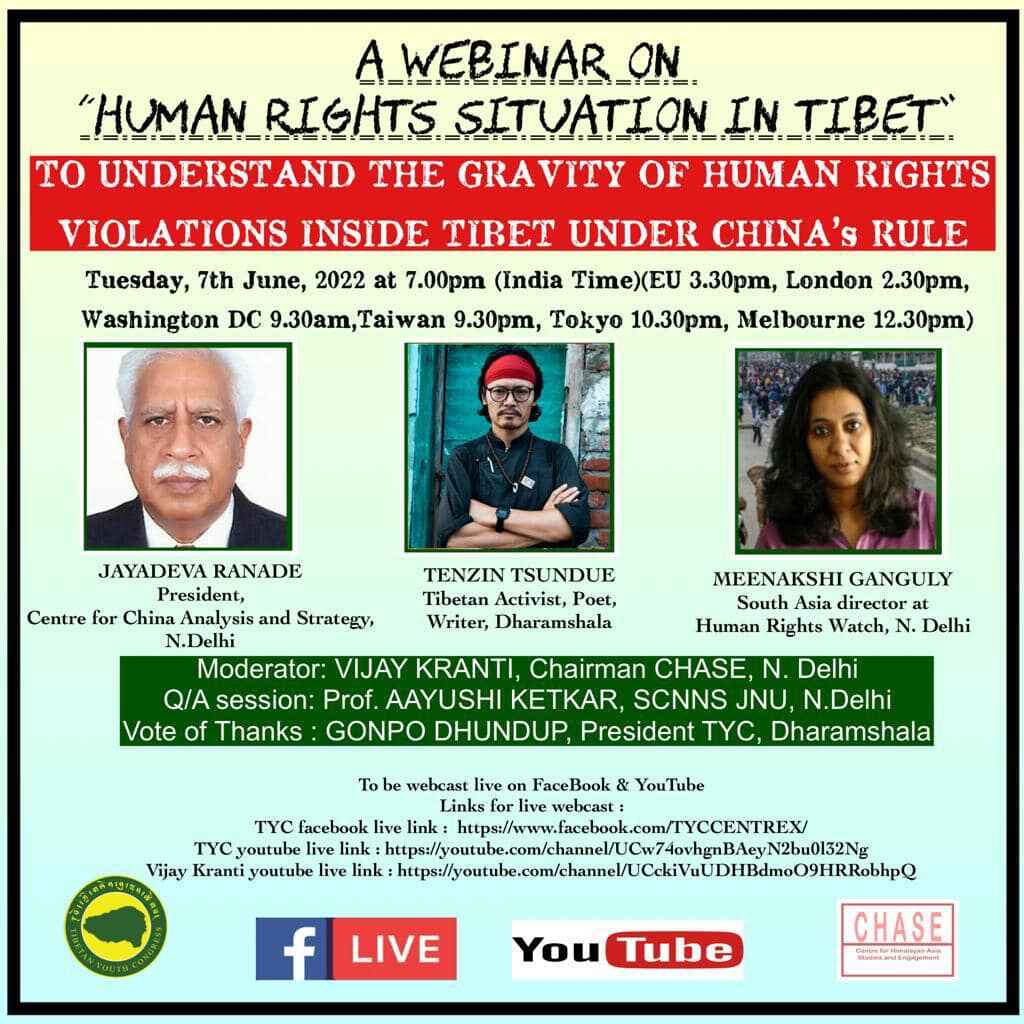
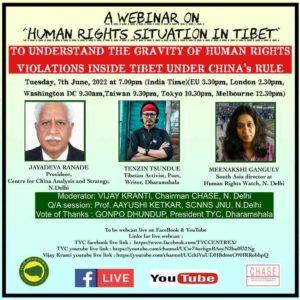
7 June 2022: A common observation among a group of experts on China, Tibet and Human Rights who discussed ‘Human Rights Situation Inside Tibet’ in a webinar was that President Xi Jinping’s desperate move to wipe out Tibetan language and to occupy the Tibetan religious system is a clear admission of the fact that despite 72 years long colonial control over Tibet, the Chinese rulers have failed in winning the loyalty of Tibetan masses. It also proves that resistance among the Tibetan people against their Chinese masters is still alive.


The webinar was organized jointly by the Centre for Himalayan Asia Studies and Engagement (CHASE) and Tibetan Youth Congress (TYC) on Tuesday the evening of 7th June and was 13th on-going series of international webinars on Tibet since April 2021. Three main speakers at this webinar were Jaydeva Ranade, famous expert on China and President, Centre for China Analysis and Strategy; Meenakshi Ganguly, South Asia Director at Human Rights Watch; and Tenzin Tsundue, a leading Tibetan poet, writer and activist.

Ranade spoke in details about how the Communist Party of China’s security apparatus inside Tibet has institutionalized an ‘Iron Grid System’ which ensures that no citizen of Tibet is ever far from a police station. He said, “Although China calls its police posts in Tibet as ‘Convenience Stations’ but in practical terms the Chinese police or its agents are never more than 50 meters away from any spot of action. They can reach there within a few minutes”. On a lighter note, he referred to a common Tibetan expression that the vast digital blanket surveillance system developed by China in Tibet is the biggest employer of Tibetan people as its spies and agents.

Ranade underlined the Chinese ruler’s worries and uneasiness about Tibet. He pointed out that like in the case of Panchen Lama; they don’t want to reach a situation where there are two Dalai Lamas after the demise of present Dalai Lama. That is why they are trying to capture and tame the entire Tulku system in Tibet. Their other worry is the undying spirit of Tibetan people. They are shocked to note that despite the absence of Dalai Lama from Tibet for over six decades, the new generations have maintained their faith in Buddhism, Dalai Lama and their cultural identity. To convert the coming generations of Tibetans into loyal Chinese citizens, the Chinese Communist Party apparatus in Tibet has brought in big changes in the education systems which are aimed at wiping out Tibetan language and are rewriting Tibetan history to wash out the cultural imprint from Tibetan minds.

Tenzin Tsundue said that China is not interested in the Tibetan people but is deeply interested in the vast mineral resources of Tibet. He said that the real power house of China’s present prosperity and industrial progress is the mineral resources of its three major colonies Tibet, East Turkistan (Xinjiang) and Southern Mongolia. From Tibet, the Chinese companies are mining out precious minerals like Lithium, Copper, Gold and Rare Earths. “It is unfortunate that China is looting these colonies with the help of modern mining technology of the western countries who are also providing their markets to the Chinese products made from this stolen property. Hence these countries are equally responsible for denial of human rights to the people of these victim Chinese colonies. It is high time that the West corrects this sin sooner than it is too late,” he said.


He also raised the issue of cultural destruction of Tibet by China. He said that like any other society, the religion, culture and language of a country are the real binding forces of the Tibetan people. China is now systematically destroying all of them in Tibet.

In her perspective on human rights situation inside Tibet, Ms. Meenakshi Ganguly spoke of her experience with some escapee Tibetan children some years ago whose parents had smuggled them out of Tibet so that they could get good and the right kind of Tibetan education. But over the years, China has sealed off its borders and Nepal has ceased to be a safe passage for such children and other Tibetan who are willing to escape from Chinese rule.

Speaking about severe Chinese controls over the Tibetan people, Ms. Ganguly pointed out that it is not even possible for ordinary Tibetans to make a phone call to their family members or friends out of Tibet. They are jailed for such minor acts. Referring to the recent anniversary of Tiananmen Square massacre of Chinese Democratic Youths by the Chinese government in 1989, she regretted that the world has failed in making Chinese government accountable for such heinous crimes. Pointing at China’s increasing control over and interference in the functioning of many major international institutions she called upon the world community to join hands to make China accountable for its crimes.

In his concluding comments and vote of thanks Mr. Gonpo Dhundup, TYC President said that the Tibetan struggle is not just limited to restoration of human rights. The real issue is Tibetan independence. Referring to Chinese President Xi Jinping’s current policy of complete assimilation of Tibetans into the Chinese Han identity, he said that this also shows the failure of Chinese governments in winning over or taming the hearts of Tibetan people. China’s new policy of wiping out Tibetan language and draconian restrictions on people of Tibet is a formal testimony to the fact the Tibetan resistance against Chinese colonial rule is alive inside Tibet.

DALAI LAMA HAS EMPOWERED ALL WHO ARE FIGHTING THE COLONIAL ONSLAUGHT OF CHINESE REGIME

An international webinar recounts ‘Challenges before the Dalai Lama on his 87th birthday and enlists his achievements as a leader of Tibet and other communities suffering under China

-Vijay Kranti

New Delhi, Berlin, Canberra and Dharamshala

3 July 2022: “The respect and influence earned by the Dalai Lama over past six decades of his exile is not only a great asset just for the people of Tibet and their freedom struggle against Chinese colonialism, but he has also emerged as a great asset for other nations like East Turkistan and Southern Mongolia who are fighting the same enemy for their own freedom,” this was one of many common observations made by leading experts in an international webinar, organized to commemorate the 87th birthday of H.H. the 14th Dalai Lama.


This webinar was organized jointly by the Centre for Himalayan Asia Studies and Engagement (CHASE) and Tibetan Youth Congress (TYC) on subject “CHALLENGES BEFORE THE DALAI LAMA” on 3rd July evening. Panellist experts who participated with their presentations were Mr. Kai Mueller, the Executive Director of the International Campaign for Tibet (ICT) Germany from Berlin; Ms. Nurgul Sawut, a leading Uyghur leader and the Executive Chairperson of Uyghur Freedom Forum (UFF) from Canberra, Australia; and Ms. Lhagyari Namgyal Dolkar, member of Tibetan Parliament in Exile from Dharamshala, Mr. Vijay Kranti, Chairman of CHASE and a veteran Tibetologist moderated the discussion.

Some major issues which were discussed included China’s claims about its exclusive rights to select the next incarnation of Dalai Lama and how the Dalai Lama is meeting this challenge; significance of Dalai Lama for the people of Tibet, East Turkistan (Xinjiang), South Mongolia (Inner Mongolia), Hong Kong and the Democracy Movement inside China; the on-going cultural genocide inside Chinese occupied Tibet and the resulting oppressive policies of Beijing government on Tibetan language, Tibetan Buddhism, forcible brainwashing of Tibetan children and the destruction of social fibre of Tibet; and the severe ecological damage happening in Tibet due to reckless exploitation of natural resources of Tibet.

Ms. Nurgul Sawut pointed out that besides leading the Tibetan people in their liberation struggle against China’s colonialism; he has also emerged as an equal asset for other nations like East Turkistan and South Mongolia who are fighting the same enemy for their own freedom. She said that she and her fellow Uyghur countrymen are highly impressed by the discipline and organization skills demonstrated by the Tibetan people under the leadership of His Holiness the Dalai Lama in establishing and the functioning of their government-in-exile. She said that the Uygur people are also hoping to establish an equally effective government-in-exile to fight back against China’s colonial rule on East Turkistan. She especially pointed out the Dalai Lama’s wisdom in separating politics and religion from Tibet’s freedom struggle.

Ms. Nurgul said that before China started its current campaign of destroying the religious and other cultural institutions in East Turkistan and widespread internment of Uyghur and other Turkic people, it had already refined these skills in Tibet over past decades. The world did not realize the impact of these policies on Tibet because of very small population of Tibet. But these internment camps and destruction of mosques in East Turkistan have come to international attention because of the massive size of affected population. She recalled terrifying memories of July 2009 when Chinese Army and police shut down electricity in Urumqi city of East Turkistan, pulled out thousands of Uyghur citizens from their homes and massacred them in the streets. “It was the Dalai Lama who was the first among those international personalities who spoke in favour of and supported the Uyghur people in this tragic moment,” she said.

Mr. Kai Mueller’s main focus was on the on-going cultural-genocide in Tibet which, he says, is one of major challenges facing the Dalai Lama and his countrymen today. “The onslaught of the Chinese Communist Party (CCP) onto the Tibetan culture is systematic, gradual and tremendously consequential for the Tibetan culture”, he said. He spoke in details about China’s onslaught on three major areas which are education and language, religion and the Tibetan way of life. Beijing’s policy of replacing Tibetan language with the Chinese in schools as the language of instruction has caused serious damage to the Tibetan society. At the same time, new campaign of China to forcibly put very young Tibetan children into Chinese boarding schools is aimed at brainwashing an entire generation of Tibetans with Chinese communist propaganda.

Mr. Mueller expressed concern over China’s policy of relocating nearly two million Tibetan citizens, especially the nomads, from their traditional places to distant ones just to grab their productive lands and to detach them from their social and cultural roots. “Unfortunately, all this is being done on false pretexts like saving the environment or improving their socio-economic condition,” he said.

He gave examples to show how many tough leaders, who include intellectuals and writers, are being persecuted just for peaceful expression of opinion. In many cases their expression is not even of political nature. He expressed concern that the CCP is now claiming its authority over the appointment of the next Dalai Lama. “This strikes at the heart of Tibetan Buddhist religion. It is a protected standard of international law to determine and appoint one’s clergy without state interference,” he said.

However Ms. Lhagyari Namgyal Dolkar, a leading Tibetan Parliamentarian, assertively claimed that the people of Tibet are not going to let China’s plans to install a puppet Dalai Lama as the ‘reincarnation’ of the present one to succeeds. Emphasizing the centrality of the institution of Dalai Lama in the Tibetan system and the achievements of the present 14th Dalai Lama she said that he has empowered the Tibetans and the Tibetan nation, both inside Tibet as well as in exile, so well that they can stand up to all challenges from the Chinese regime. Giving examples of this empowerment she said that by the establishment of a democratic system and by winning hearts of millions of people across the world, the present Dalai Lama has given a new self-confidence and determination to all Tibetan generations, especially during his six decades of exile.

Referring to frequent use of insulting and aggressive language against the present Dalai Lama, the Chinese leaders have not only once and again proven the centrality of the Dalai Lama to the Tibetan issue, but they have also exposed their own failure and vulnerability as compared to him.

Challenging China’s claims that Tibet has been always a part of China and the Chinese rulers demand from Tibetans to accept this claim, she said that the communist rulers of China want us to change the history which Tibetans have refused to accept.

In his vote of thanks Mr. Sonam Tsering, the co-host of the webinar and General Secretary of TYC, said that the present Dalai Lama’s towering personality has won praise of not only the Tibetan people but of the entire world community. His message of peace, non-violence and Universal Responsibility has become a guiding light for the world community today. He assured the audience that the present Dalai Lama himself and the Tibetan community, whom he has empowered enormously over recent decades, are capable of handling the Chinese onslaught on Tibet successfully.

TIBETAN WOMEN TO CONTINUE THEIR FREEDOM STRUGGLE DESPITE ALL CHINESE ATROCITIES

Chinese Communist Party using forced abortion, coercive sterilization to restrict Tibetan population and pushing marriage with Han settlers as a tool of cultural genocide

-Vijay Kranti

New Delhi, Milano, Taipei & Dharamshala

30 July 2022: Experts in an international webinar on ‘Tibetan Women and Human Rights Under China’s Colonial Rule’ were critical of China and its Communist Party for using forced abortion and coercive sterilization of Tibetan women as a normal practice of enforcing family planning and population control on the people of Tibet. They were equivocal on politicization of the institution of marriage through state sponsored pushing of marriages between male Han settlers and local Tibetan woman as yet another tool of ‘cultural genocide’ which is in progress in Tibet unabated. The experts were also appreciative of the courage of conviction, demonstrated by Tibetan women, especially those living inside occupied Tibet, in their on-going struggle for the freedom of Tibet from colonial Chinese rule.

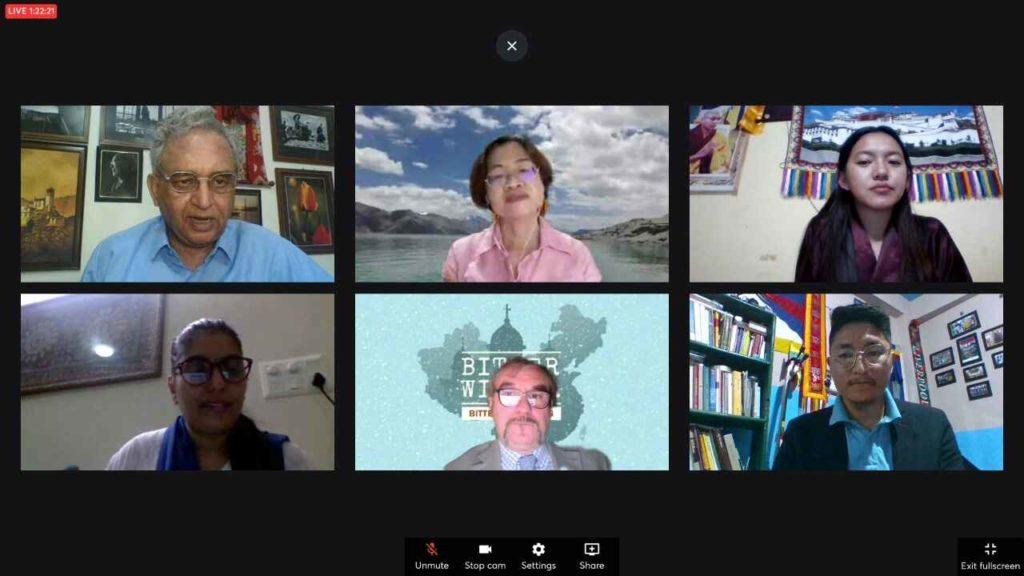
The webinar was organized late evening of 30th July, jointly by the Centre for Himalayan Asia Studies and Engagement (CHASE) of New Delhi and Tibetan Youth Congress from Dharamshala. The main expert speakers were Mr. Marco Respinti, Director-in-Charge of magazine ‘Bitter Winter’ from Milano Italy; Professor Mei-Lin Pan, Chairperson at the department of Humanities and Social Sciences at the National Yang Ming Chiao Tung University at Hsinchu in Taiwan; and Ms. Tenzin Passang, Program Director of ‘Students for a Free Tibet’ from Dharamshala. Mr. Vijay Kranti, Chairman of CHASE and Co-host moderated the discussion. Prof. Aayushi Ketkar of Jawaharlal Nehru University, New Delhi conducted the question-answer session and Mr. Sonam Tsering, General Secretary of TYC and Co-host delivered the vote of thanks.

In her presentation about the situation of Tibetan women under the Chinese colonial rule, Tenzin Passang, a young Tibetan woman activist, gave chronological details of how Tibetan women have played active role in Tibet’s fight for freedom since occupation of Tibet in 1951 and hence invited Chinese ire. She said that besides long imprisonment in Chinese jails, Tibetan women have to face severe physical violence, torture and other aggressions like rape by jail officials. Outside the jail too, the Chinese administrators in Tibet use different methods for enforcing population control. “China’s family planning policy in Tibet is too intrusive, unsound and violent, especially since 1992.  There have been cases in which they would blackmail and coerce a woman to go for abortion or sterilization by putting her husband in jail on some flimsy grounds. The women are forced to go through severe economic sanctions for bearing a child ‘out of plan’ and official sanction. The fines could amount to a family’s full year income. In the case a child is born ‘out of plan,’ all crucial facilities like medical care and education of child are withdrawn. This causes severe financial, social and psychological stress on Tibetan women”, said Passang.

Referring to many testimonies of Tibetan women who could manage to escape from Tibet in the past, Passang said that it is common for Chinese officials and medical experts to use deceptive methods against Tibetan women to enforce their family planning plans.” It is not uncommon to hear complaints of women who had visited a Chinese medical centre for an unrelated medical problem but they were given medicines to induce abortion. In many cases this has led to the death of the woman,” she said.

“In a society where there is already a large proportion of monks and nuns who don’t contribute towards population growth, forcing Tibetan women to ‘one-child’ norm has seriously affected the Tibetan society. China’s policy of settling large number of Han men into Tibet and the policy of giving special economic and other incentives for marriages between Tibetan women and Han men has only made it worse. All this amounts to converting marriage into a political tool and a means for diluting Tibetan nationality and culture. ” she said.

In her concluding remarks Passang said that all these actions of China in Tibet amount to cultural genocide and go against the UN Genocide Convention which the Chinese government has also signed. “But despite all this injustice, violence and suppression at the hands of colonial masters of Tibet, the Tibetan women have not lost hope for freedom and they will continue their struggle against Chinese colonial rule over their country,” she declared.

Recalling mass killings of Tibetans by the communist army of China Mr. Marco Respinti said, “When a government such as the Chinese Communist regime targets a human group recognizable for its cultural, linguistic, religious, and ethnic identity, such as the Tibetans, to completely assimilate it, cancel its distinctiveness, Sinicize its beliefs, customs, and language, and twist its religion, this is a case of religious and ethnic cleansing and a genocide. It’s genocide even if there are no piles of corpses to be seen at the corners of the streets. In fact, if that drive is not stopped, in time there will be no Tibetans and they will disappear as a race.” he warned.

Respinti underlined the enforcement of Chinese government’s family-planning campaigns through ‘one-child’ policy from 1979 to 2015; ‘two-child’ policy as implemented in 2015 and then the ‘three-child’ policy of 2021 on the Han population. But throughout these periods the Chinese Communist Party’s policy in the occupied ‘Autonomous’ regions of Tibet, Xinjiang and Inner-Mongolia remained targets of the aggressive state policy of family-planning, accomplished through methods like forced sterilization and abortion.

Professor Mei-Lin Pan, Chairperson at the Department of Humanities and Social Sciences at the National Yang Ming Chiao Tung University at Hsinchu in Taiwan, who has been studying the situation of Tibetan refugee women in India, Nepal and Taiwan, shared her fifteen years long interaction with them. Having the advantage of speaking in Chinese language with recent escapees from Tibet she shared her observation that irrespective of one’s social, educational or professional status, the Tibetan women are subjected to same type of suppression and discrimination at the hands of their Chinese colonial masters. “In Tibet, the entire burden of China’s family planning campaign is focused on Tibet women. Forced abortion and sterilization of Tibetan woman are used as accepted means of population control and not much attention is given to the Tibetan men. As a result, this coercion becomes one of the main reasons for Tibetan women to escape from Tibet and go to India,” she said.

She presented two examples of Tibetan women, one a poor housewife and another a highly qualified medical surgeon who decided to run away from China controlled Tibet and risked their lives by escaping to India. In both cases, the Chinese administrators wanted the women to abort their babies whereas both of them decided to take the risk and fled to exile. Admiring the courage and determination of Tibetan women, those living inside Tibet as well the ones living in exile, Prof. Pan said that the women of Tibet are playing very important role both at the family front as well as in the national struggle.

In his vote of thanks Mr. Sonam Tsering, the General Secretary of TYC and also the co-host of the webinar, underlined the magnificent, continuous and courageous contribution of the Tibetan women to the national freedom struggle against the Chinese occupation of Tibet. He referred to the role played by the women of Lhasa in 1959 during the first national uprising against China. “In later years, the Tibetan women inside Tibet have demonstrated courage of conviction on sensitive issues when their husbands and other male family members were sent to jail by the communist occupiers of Tibet.”


TYC RE-ESTABLISHED 6 REGIONAL TIBETAN YOUTH CONGRESS CHAPTERS

The withdrawal of 8 Regional chapters of Tibetan Youth Congress during 2013 General Body Meeting led to consequent efforts by the executive members of TYC for reunification and reestablishment of these chapters.

In 2016, with the efforts of the 15th TYC Centrex members, RTYC Bangalore and RTYC Mundgod reunited under TYC Centrex as their officially recognized regional chapter.

In 2019, after the 17th GBM, when the 17th Central Executive members took over the TYC Office, the issue with 6 Regional Chapters (Bylakuppe, Hunsur, Kollegal, Ladakh, Dalhousie and Pandoh) still remains unresolved.

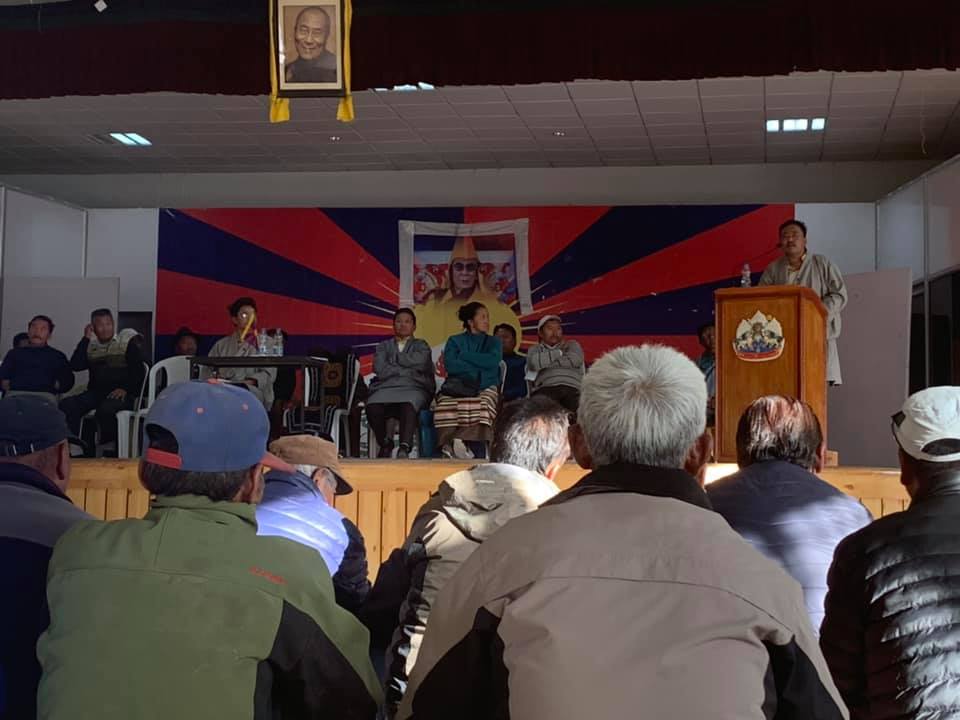
On 17th September 2019, TYC President Mr. Gonpo Dhundup and TYC General Secretary Mr. Sonam Tsering visited Ladakh and had meeting with the executives and members of RTYC Leh Ladakh. They had heated discussion and deliberations for 10 days after which RTYC Leh Ladakh decided for a conditional reunification under TYC. They have successfully participated on the 50th Working Committee Meeting held at Dharamshala in 2021.


Post Covid, with an aim to reunite the remaining regional chapters, TYC Centrex Office formed a Committee of four members who will work for the reunification and reestablishment of the 3 regional chapters in Southern India. The committee was led by President with Vice-president, General Secretary and Cultural Secretary of the TYC.

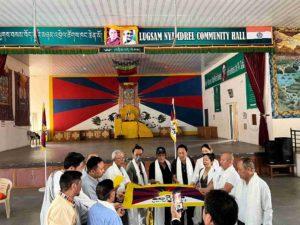
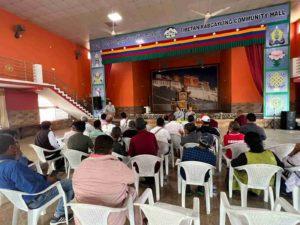
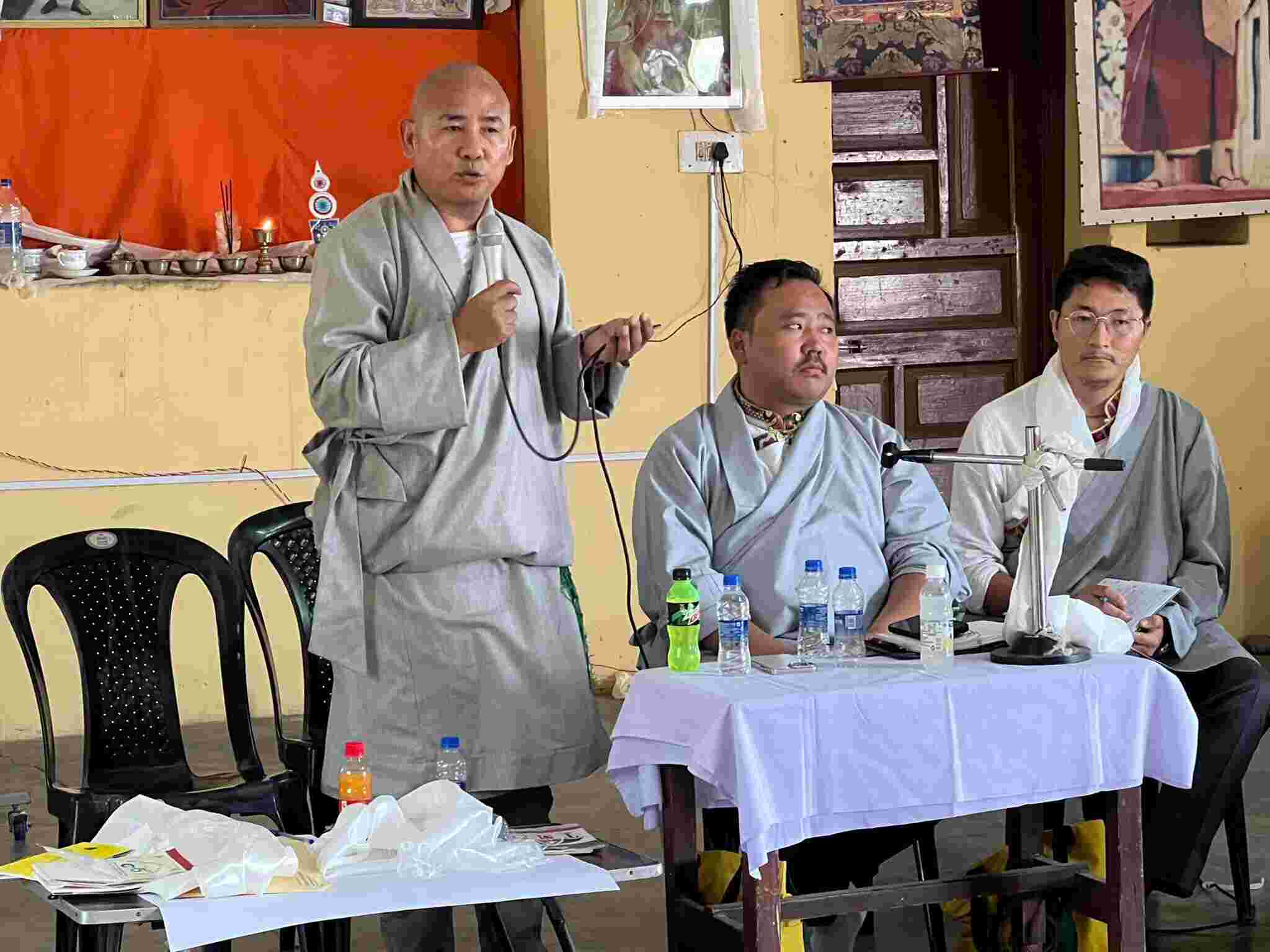
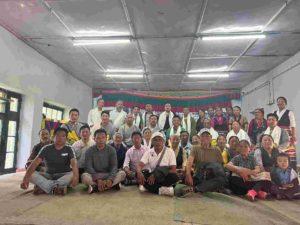
On 13th March 2022, the TYC Centrex Committee visited 3 Regional chapters in South India. In Bylakuppe, the TYC Centrex put a lot of efforts to talk with the executives of regional chapter in Bylakuppe but all the efforts went in vain. So as to resolve the problem, TYC Centrex members had a public meeting in Bylakuppe and with their opinion; TYC managed to re-establish an officially recognized RTYC Bykaluppe and elected new executives for the chapter.

The same issue happened in Hunsur where TYC Centrex received no cooperation from the regional executives of RTYC Hunsur to interact with the regional members. . Likewise in Bylakuppe, TYC Centrex elected new executives and re-established the official chapter of RTYC Hunsur.

The chapter reestablishment and reunification in Kollegal still remains unresolved despite serious efforts from the TYC Centrex.

On 10th June 2022, TYC President, Vice President, General Secretary and Organizational Secretary visited Pandoh and had a public meeting with Pandoh. With the decision of the public, RTYC Pandoh was reunified under TYC but soon after, they changed their decision.

on 13th June 2022, TYC Centrex had a meeting with the public in Dalhousie arranged by RTYC Dalhousie. With a decision of the majority, the long standing issue got resolved and RTYC Dalhousie finally was reunified under TYC.


TYC GENERAL SECRETARY MET WITH A GROUP OF STUDENTS FROM MIAO SAMBOTA TIBETAN SCHOOL

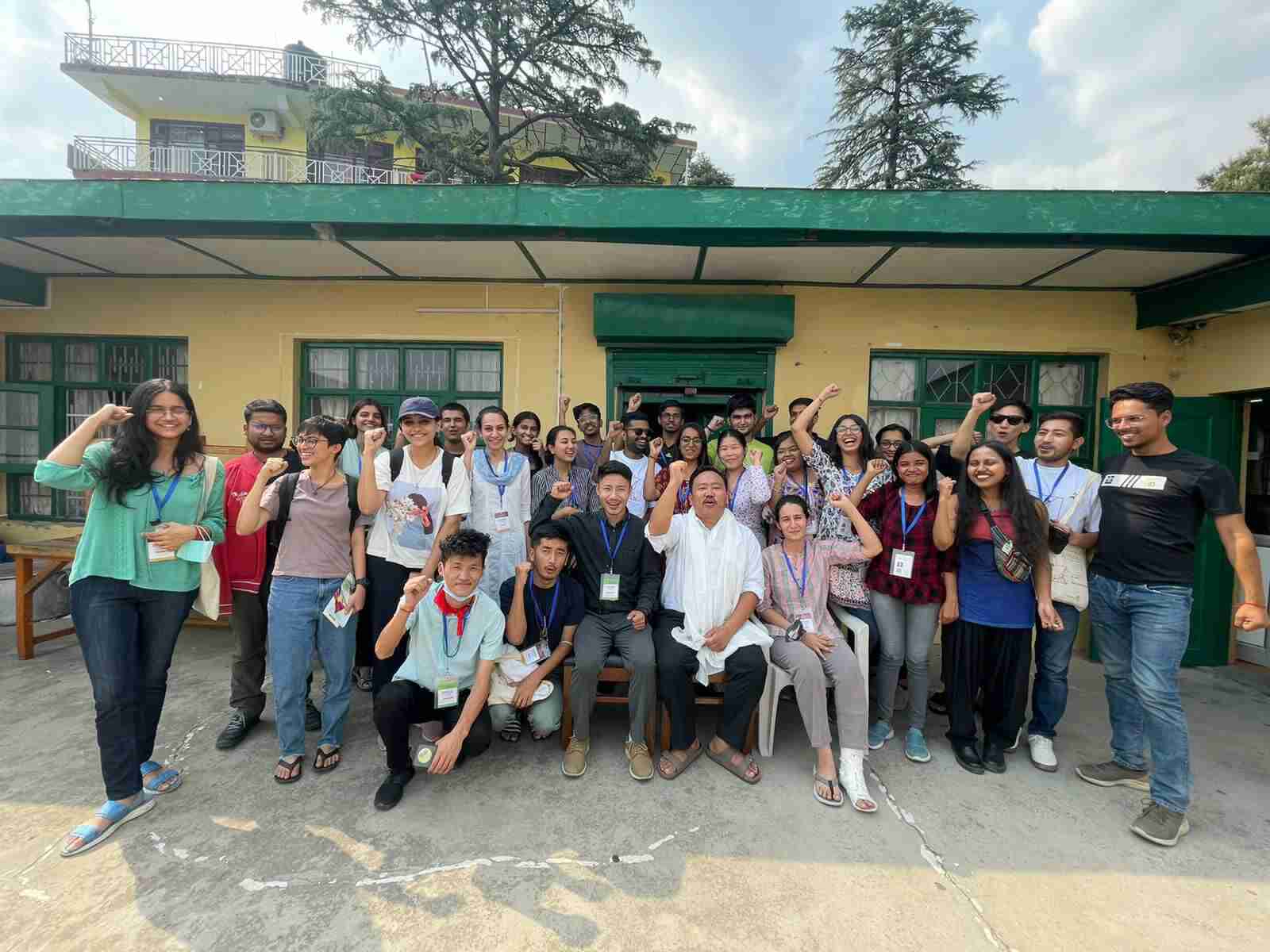
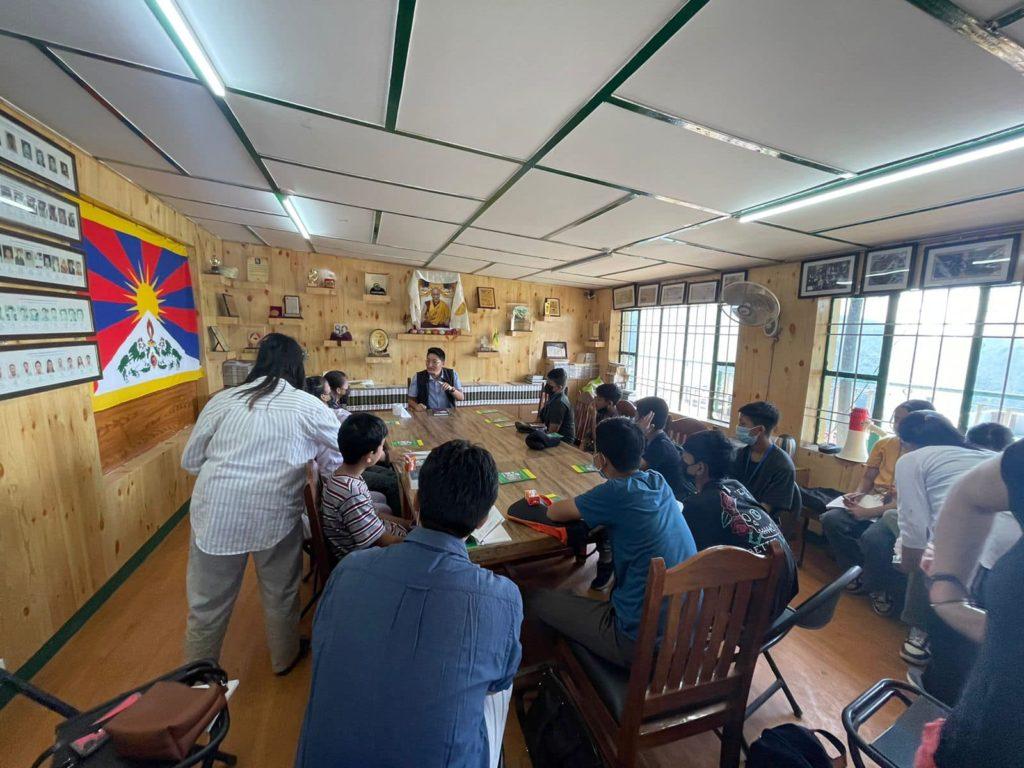
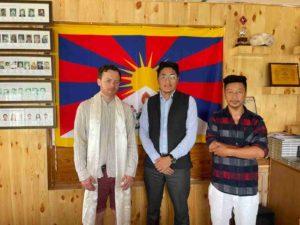
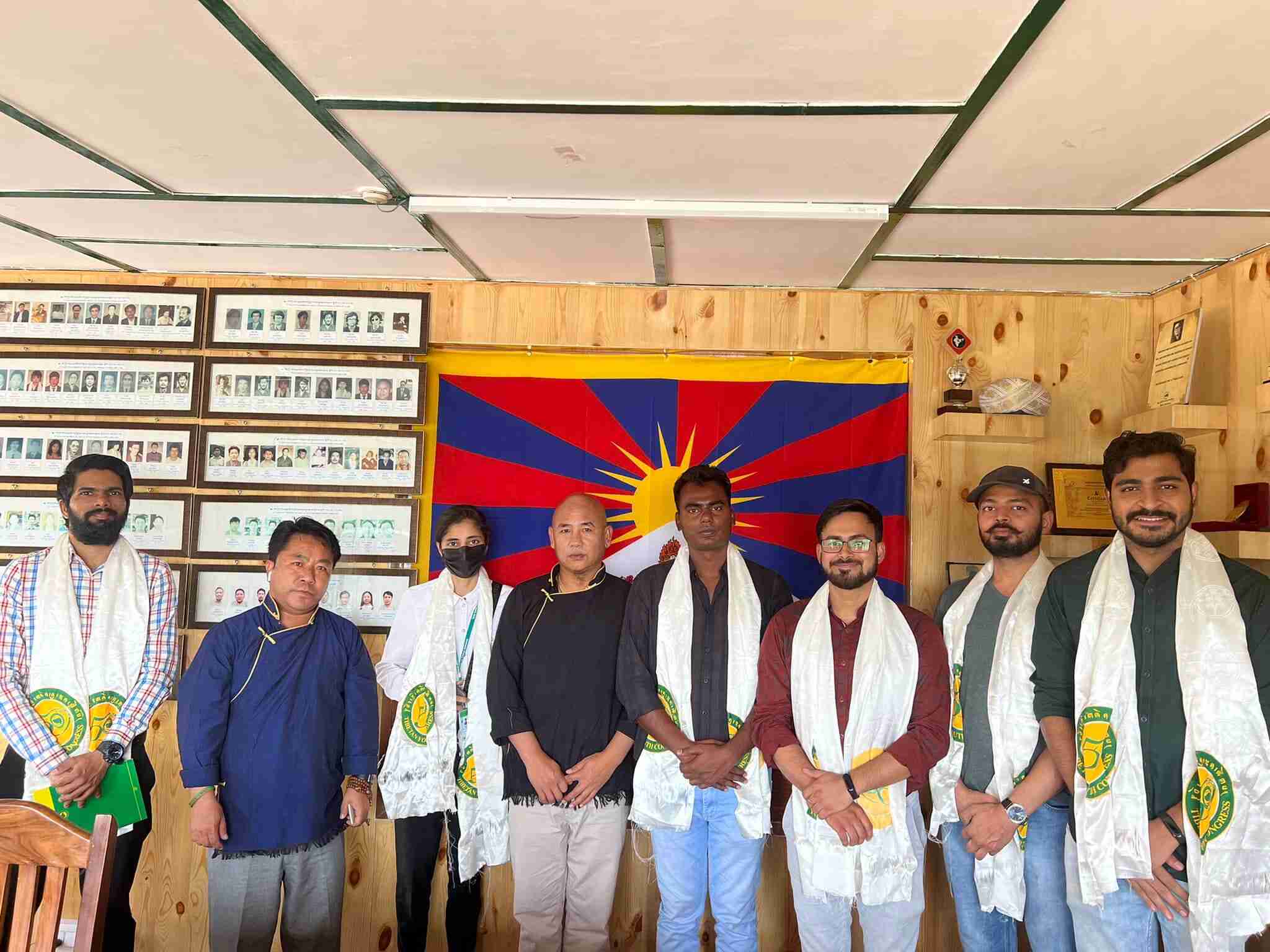
On 3rd June 2022, TYC General Secretary Mr. Sonam Tsering la met with a group of students from Miao Sambota Tibetan School (STS), who visited our office under the Tibetan Student’s Educational Tour Program organized by the Lha Charitable Trust. He briefed them about TYC political campaigns and encouraged them to educate themselves to be able to contribute to the Tibetan cause in the near future.

SAM WALTON, CHIEF EXECUTIVE OFFICER(FREE TIBET) AND WANGDEN KYAB(TIBET WATCH) VISITS

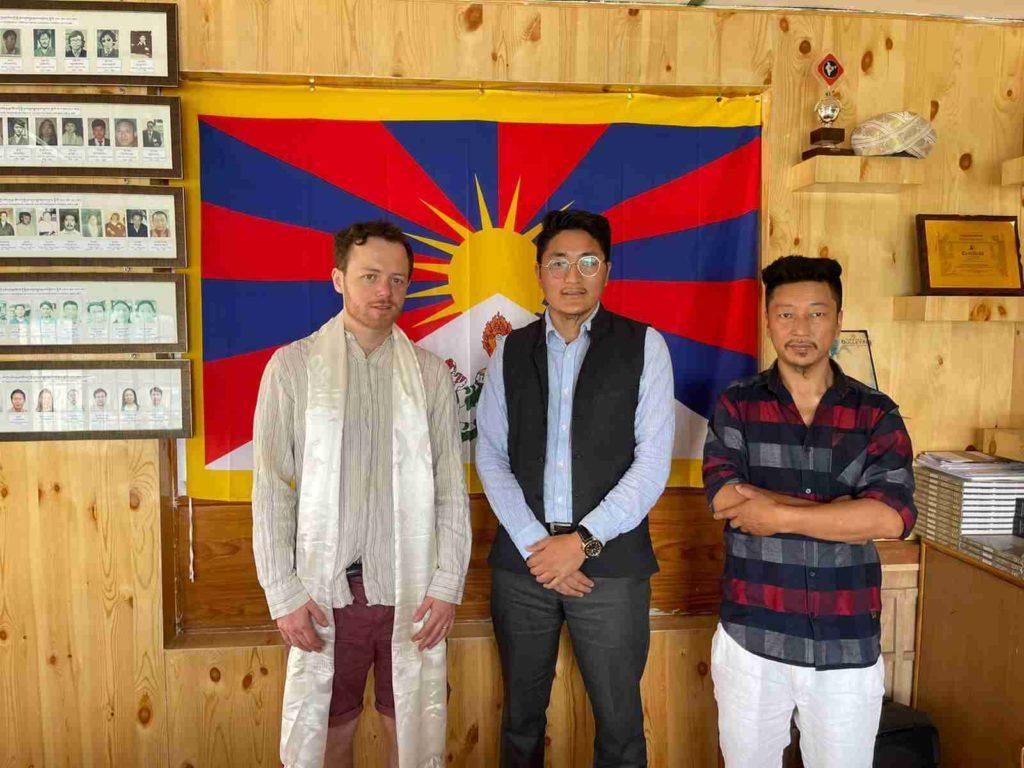
TYC General Secretary Mr. Sonam Tsering welcomed Sam Walton, Chief Executive Officer at the Free Tibet and Tibet Watch along with Wangden Kyab, Tibet Watch Dharamshala Manager who paid a visit to the TYC Office on 12th May 2022. Sonam Tsering talked about TYC and its campaign works and discussed possibilities of collaboration work in the near future to bring the issue of Tibet on the International platform.

COMMEMORATE THE 11TH PANCHEN LAMA GEDHUN CHOEKYI NYIMA’S 33RD BIRTHDAY(VIRTUAL CONFERENCE)

On 25th April 2022, TYC President Mr. Gonpo Dhundup addressed the virtual conference organized by the Bharat Tibbat Sahyog Manch to commemorate the 11th Panchen Lama Gedhun Choekyi Nyima’s 33rd Birthday. The virtual conference was also addressed by Shri Pankaj Goyal, Rashtriya Mahamantri, Sr. Arun Srivastava, Historian and Tibet expert, Swami Divyanand J, Rashtriya Upadhyaksh, BTSM.

TYC VICE PRESIDENT AND JOINT SECRETARY MET PROFESSOR AND STUDENTS FROM TATA INSTITUTE OF SOCIAL SCIENCE

TYC Vice President Mr. Lobsang Tsering and Joint Secretary Mr. Tsewang Rabgyal met with Professors and Students from the Tata Institute of Social Sciences (TISC) at the TYC Office on 13th April 2022. They briefed them about Tibetan Youth Congress, Tibetan Freedom Movement, and the current critical situation inside Tibet.

Back To Top