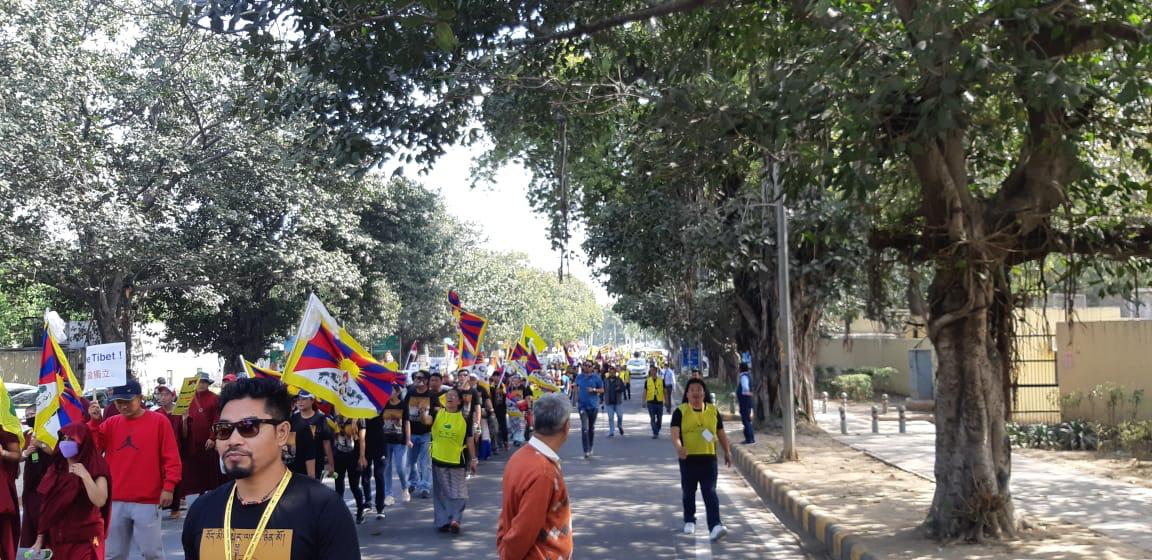
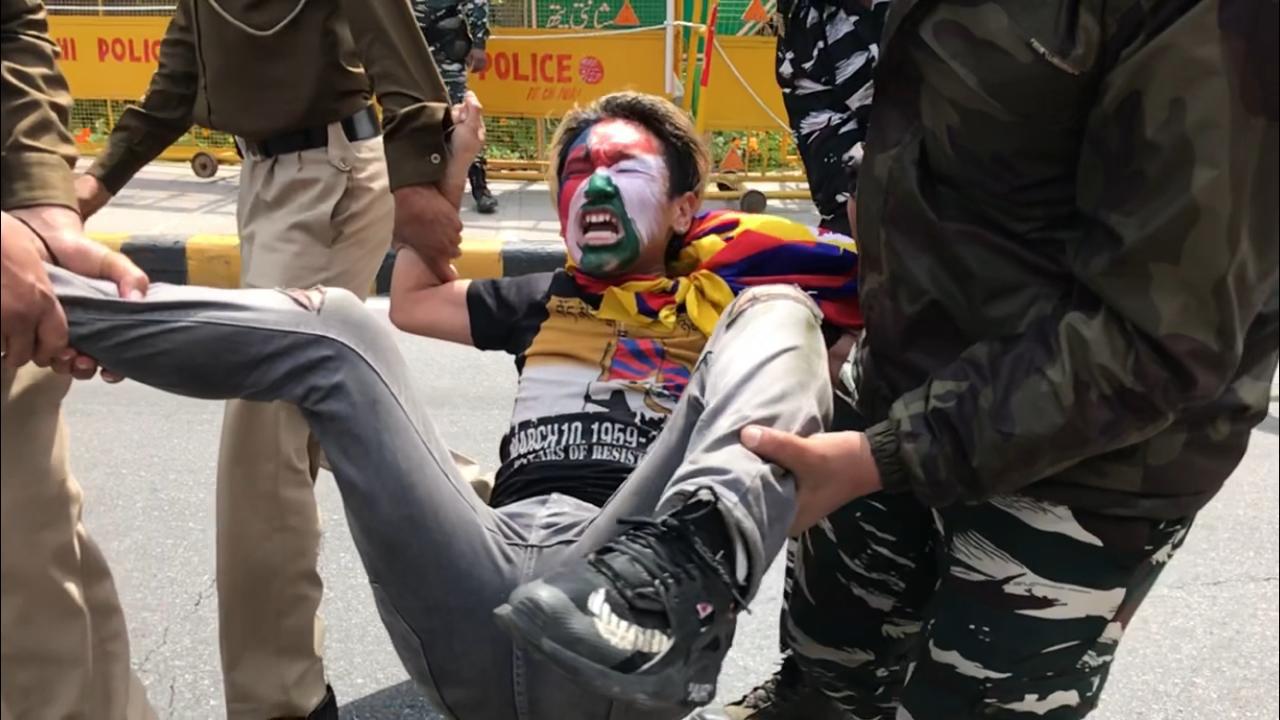
No amendments in core rules, top executive members retained at TYC meet

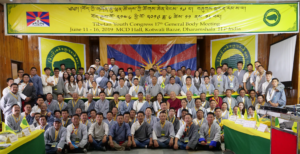
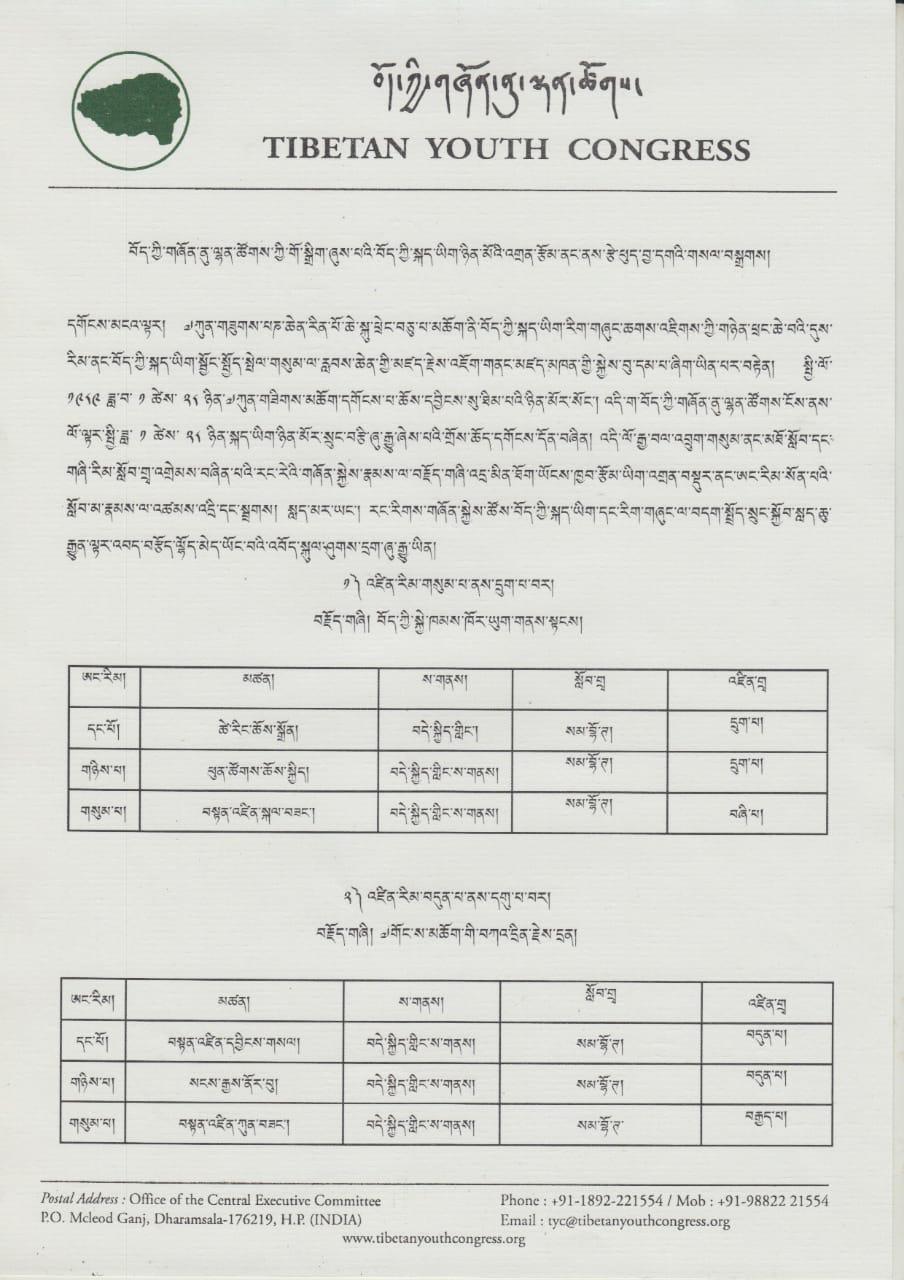
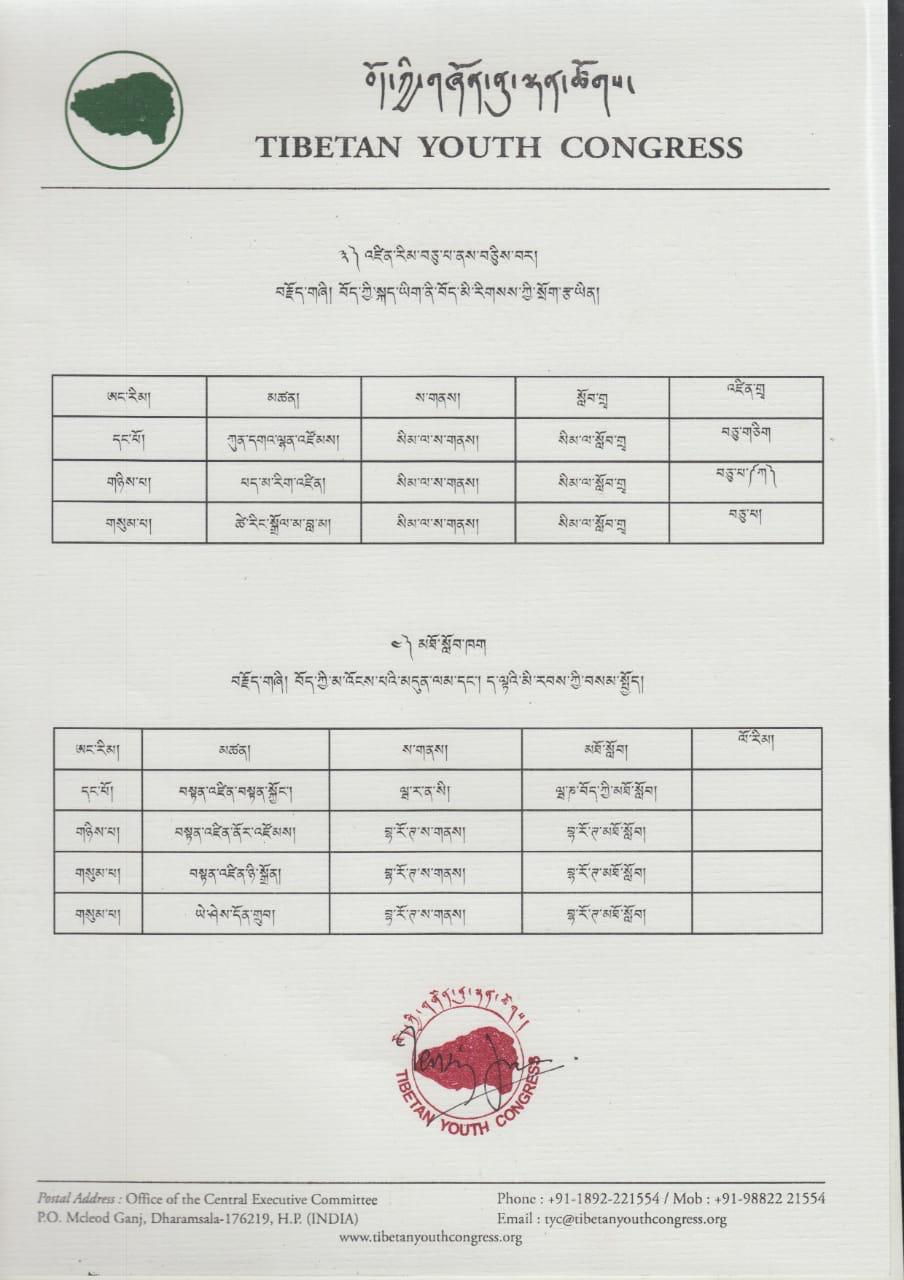
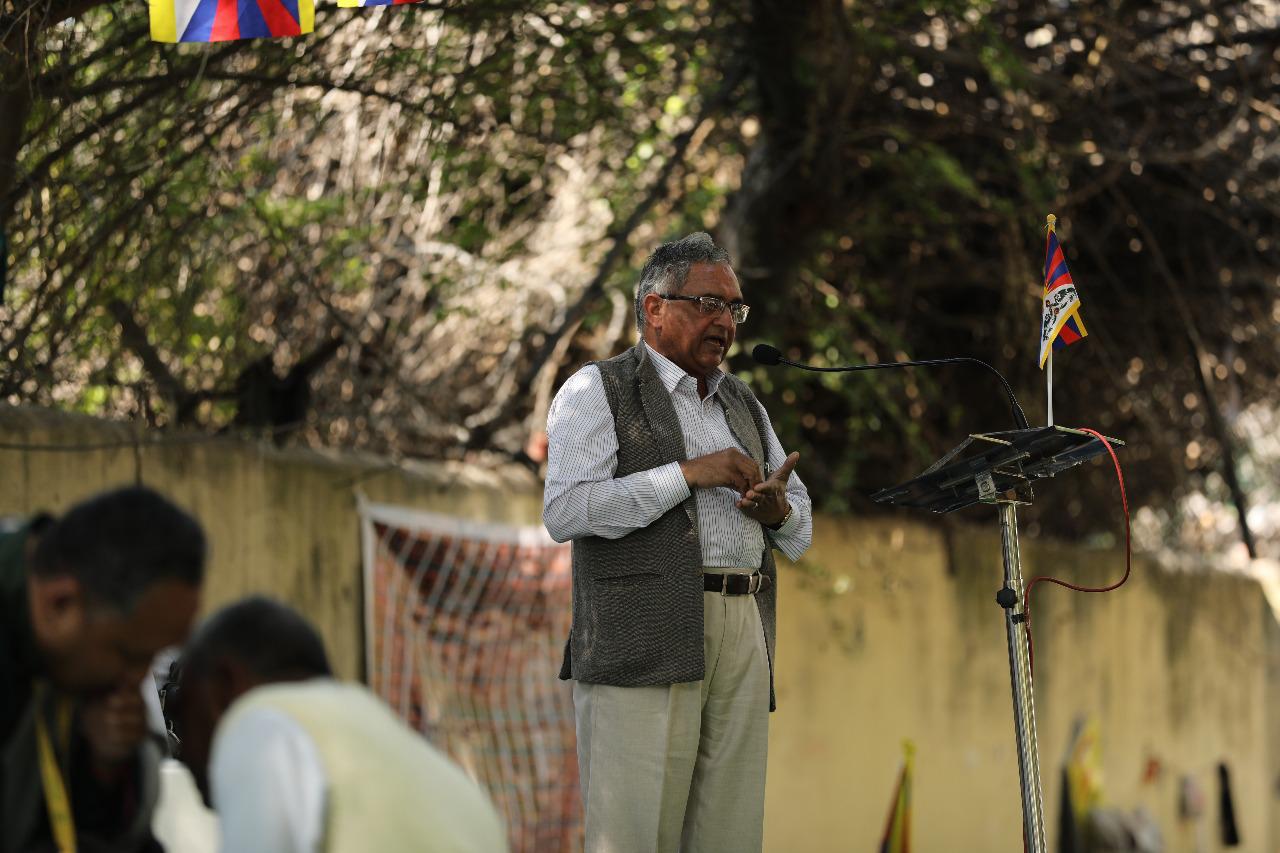
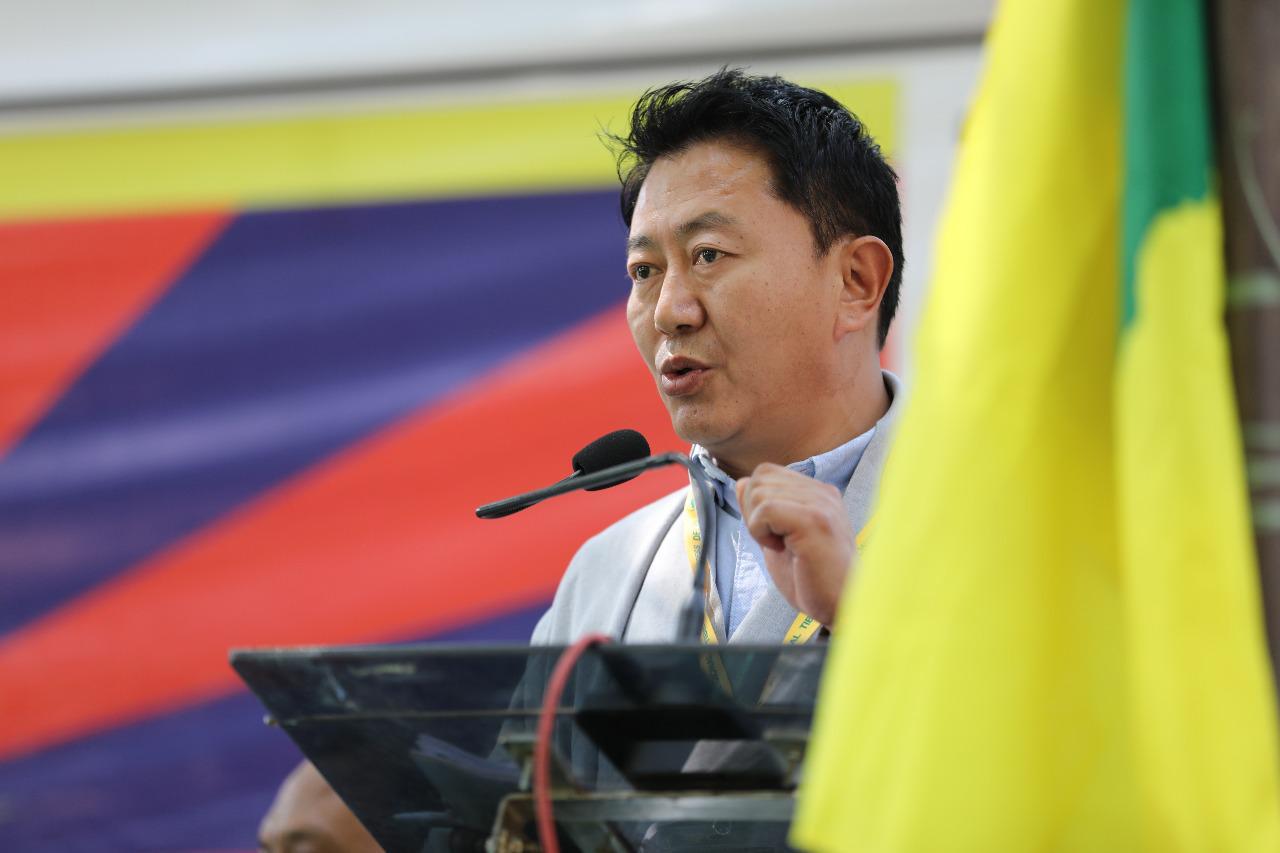
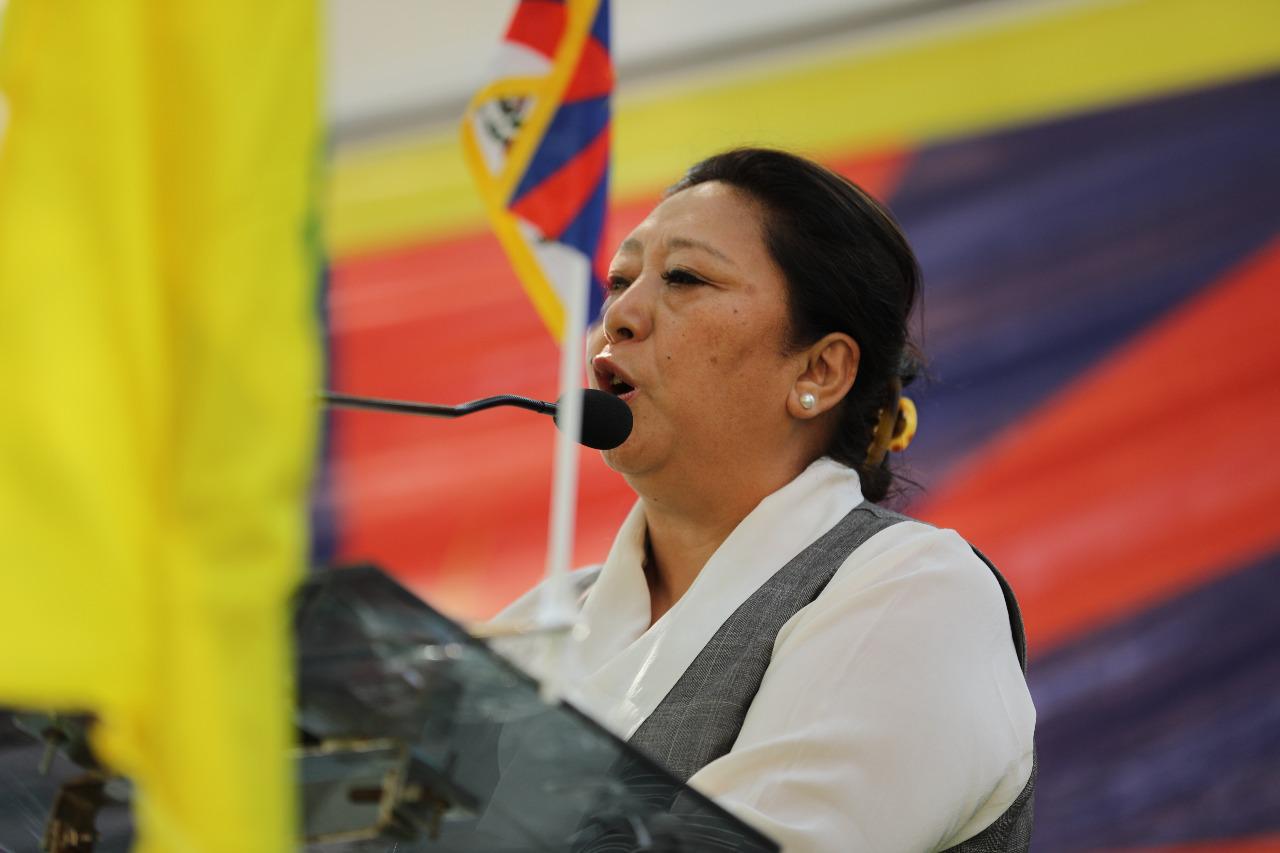
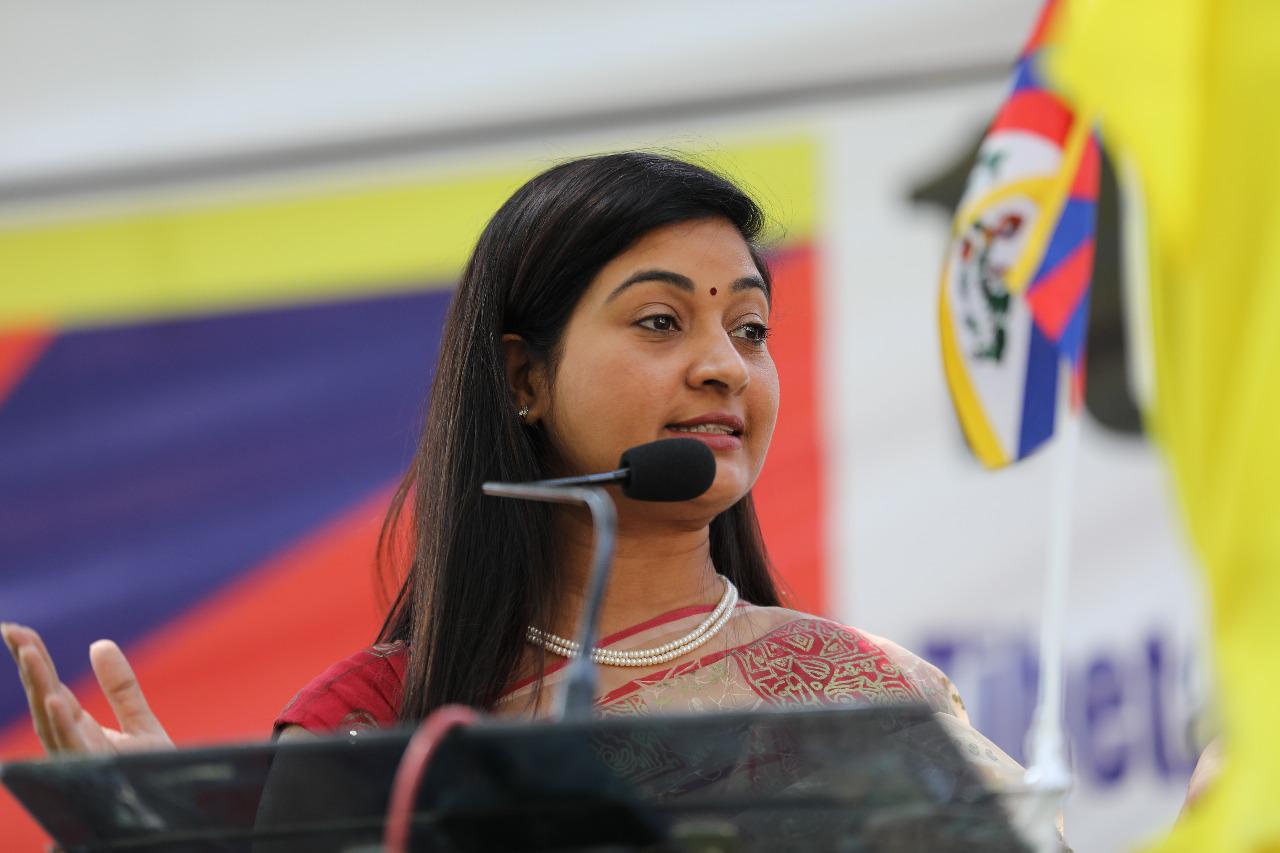
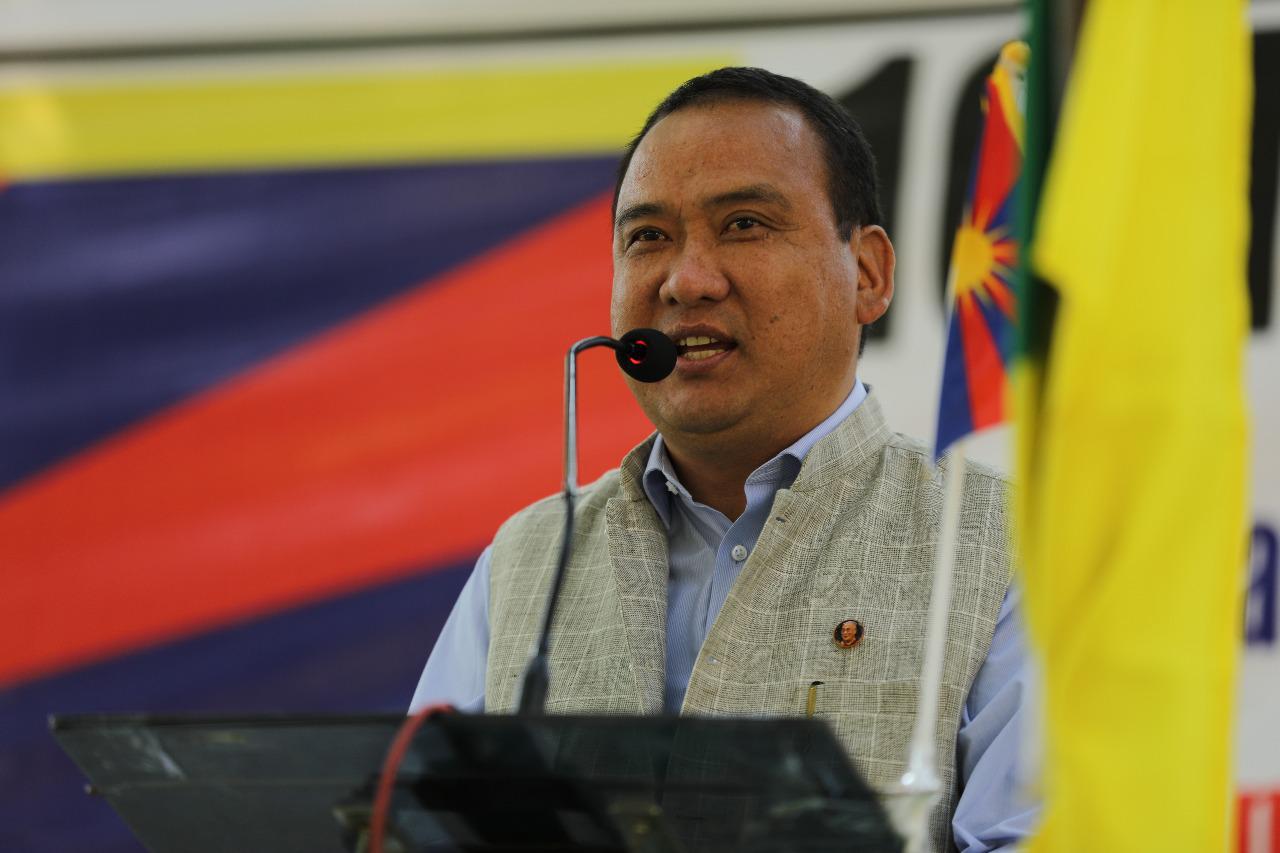
DHARAMSHALA, Sept 3: The largest pro-independence group of the exile Tibetans, the Tibetan Youth Congress, today concluded their 16th General Body meeting here at Dharamshala’s Municipal Hall, deliberating on key matters, among which the amendments proposed for the core rules/tasks did not receive majority and remain unchanged, while the top rung of the centrex (executive member for the headquarter based here) were retained for another term through votes cast by 140 delegates representing over 40 chapters around the world.

The two much debated core rules which were deemed contradictory by some remain unchanged after the voting. Of the four core objectives/tasks that bind any member or chapter, the first calls for “serving one’s country and people under the guidance of His Holiness the Dalai Lama” received the house majority (54 votes out of 140) while the fourth which seeks “total independence for Tibet,” received 45 votes which proved sufficient against the 39 that wanted amendment in the rule. Both the rules were not amended.

The top rung of the previous executive members were retained with the President Tenzing Jigmey, Vice-President Tamding Hrichoe and Secretary Tashi Lamsang all voted for a second term at the helm of the pro-independence organization. Four new entrants made in into the 10 men centrex. Tenzing Jigmey after getting elected the President again said that the resolutions that have not been passed have been a result of a democratically conducted voting and that the people should respect the outcome. He further added, “His Holiness the Dalai Lama continues to remain as the central figure in unifying the Tibetans and keeping the struggle alive. The TYC will keep His Holiness in the fore while performing any activity in the future.”

Among the nine resolutions discussed and deliberated on the final day of the meet, the resolution to not have relations with the Tibetan National Congress, another NGO that also strives for complete independence for Tibet and started by Independence proponents based abroad, on an organizational level received a mathematical majority with 79 votes out of the total 140.

Other resolutions to condemn any individual or organization that vilify and disparage the Tibetan leader Dalai Lama, engage in lobbying efforts for self immolators for Tibet, Tibetan environment and social services in the exile diaspora were also passed during the annual gathering.

The delegates from the meeting will have an audience with the Dalai Lama at his residence tomorrow.


Report from www.phayul.com

No amendments in core rules, top executive members retained at TYC meet

DHARAMSHALA, Sept 3: The largest pro-independence group of the exile Tibetans, the Tibetan Youth Congress, today concluded their 16th General Body meeting here at Dharamshala’s Municipal Hall, deliberating on key matters, among which the amendments proposed for the core rules/tasks did not receive majority and remain unchanged, while the top rung of the centrex (executive member for the headquarter based here) were retained for another term through votes cast by 140 delegates representing over 40 chapters around the world.

The two much debated core rules which were deemed contradictory by some remain unchanged after the voting. Of the four core objectives/tasks that bind any member or chapter, the first calls for “serving one’s country and people under the guidance of His Holiness the Dalai Lama” received the house majority (54 votes out of 140) while the fourth which seeks “total independence for Tibet,” received 45 votes which proved sufficient against the 39 that wanted amendment in the rule. Both the rules were not amended.

The top rung of the previous executive members were retained with the President Tenzing Jigmey, Vice-President Tamding Hrichoe and Secretary Tashi Lamsang all voted for a second term at the helm of the pro-independence organization. Four new entrants made in into the 10 men centrex. Tenzing Jigmey after getting elected the President again said that the resolutions that have not been passed have been a result of a democratically conducted voting and that the people should respect the outcome. He further added, “His Holiness the Dalai Lama continues to remain as the central figure in unifying the Tibetans and keeping the struggle alive. The TYC will keep His Holiness in the fore while performing any activity in the future.”

Among the nine resolutions discussed and deliberated on the final day of the meet, the resolution to not have relations with the Tibetan National Congress, another NGO that also strives for complete independence for Tibet and started by Independence proponents based abroad, on an organizational level received a mathematical majority with 79 votes out of the total 140.

Other resolutions to condemn any individual or organization that vilify and disparage the Tibetan leader Dalai Lama, engage in lobbying efforts for self immolators for Tibet, Tibetan environment and social services in the exile diaspora were also passed during the annual gathering.

The delegates from the meeting will have an audience with the Dalai Lama at his residence tomorrow.


Report from www.phayul.com

TYC GENERAL BODY MEETING 2016

Tibetan Youth Congress highest decision making body is the General Body Meeting or GBM. GBM is held every three years where chapters from all over the world gather in Dharamshala and deliberate on many different issues pertaining to the cause and the organisation. The meeting will also hold elections for the office of TYC Central Executive Committee.

This years GBM will be held at the MCD Committee Hall, Kotwali Lower Dharamshala from Aug 29 – Sept 3 2016.

13662323_1059379534180725_1289357298909539931_o

TYC GENERAL BODY MEETING 2016

Tibetan Youth Congress highest decision making body is the General Body Meeting or GBM. GBM is held every three years where chapters from all over the world gather in Dharamshala and deliberate on many different issues pertaining to the cause and the organisation. The meeting will also hold elections for the office of TYC Central Executive Committee.

This years GBM will be held at the MCD Committee Hall, Kotwali Lower Dharamshala from Aug 29 – Sept 3 2016.

13662323_1059379534180725_1289357298909539931_o

Save Larung Gar!

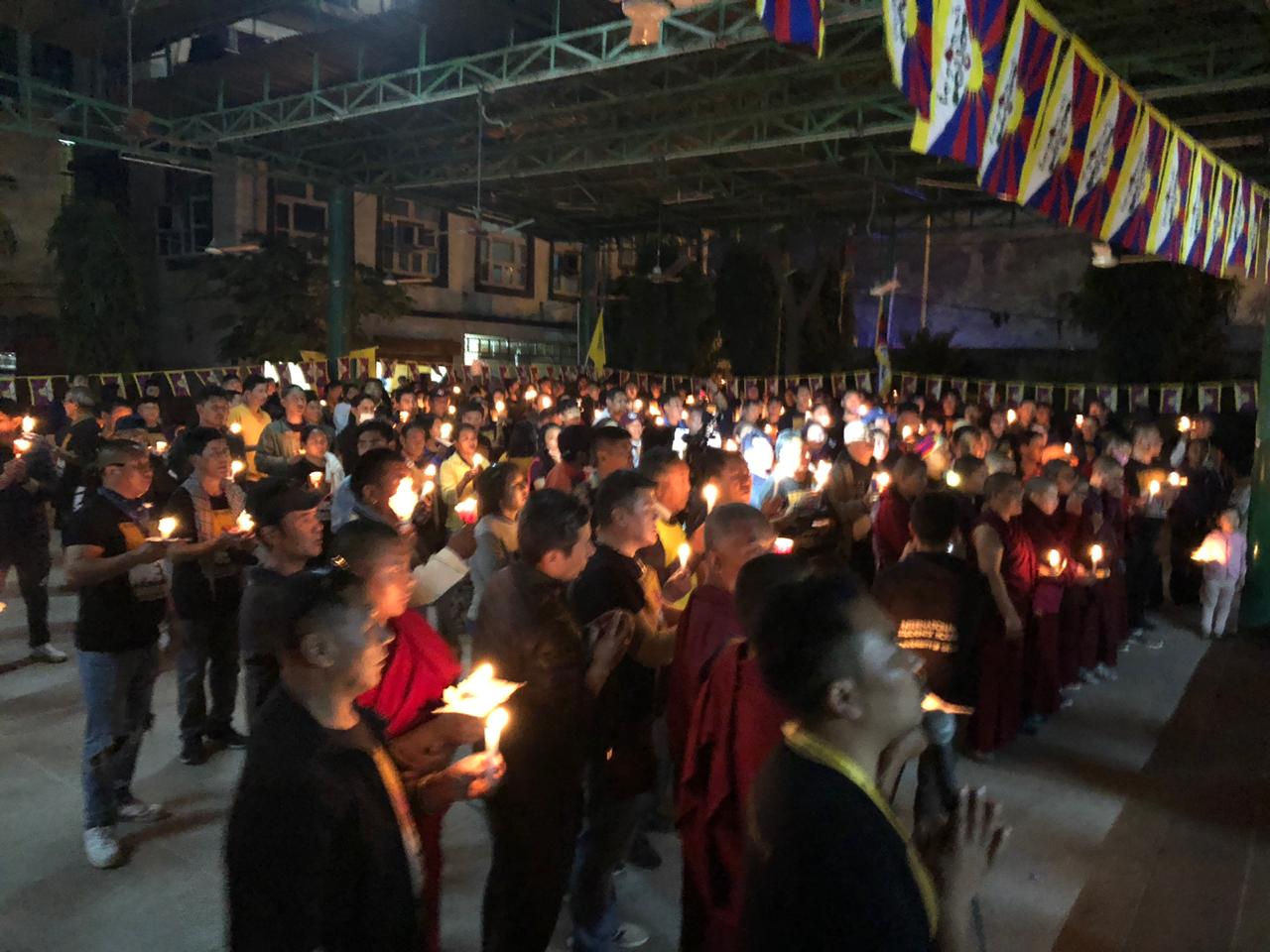
The Larung Gar Buddhist Academy, which is probably the world’s largest Buddhist monastic community, was founded by Choeje Yishin Norbu Khenpo Jigme Phuntshok. The academy, as framed by the late Khenpo, has been serving as the wellspring of knowledge. It is also the home for many Buddhist practitioners and the source of happiness for people across the globe. However, the Chinese government has issued an order to reduce the population of the institute to 5,000 residents when there are well over 10,000 monks and nuns alone. The government announced the planned demolition of living quarters, which would leave residential space for only five thousand members. News and photos of the demolition work that began reached us and thus there is a need of urgent action to stop the demolition and Save Larung Gar.
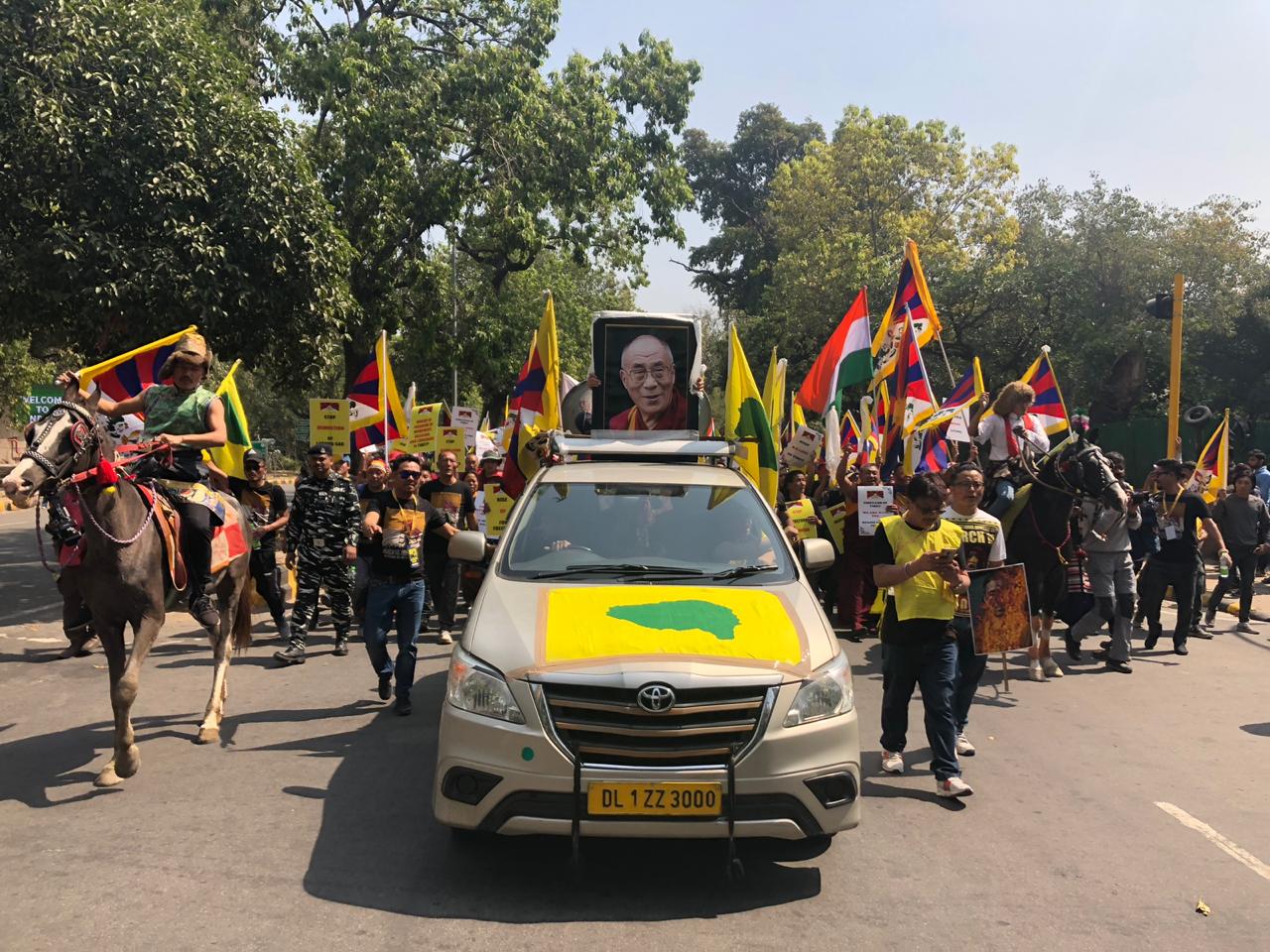
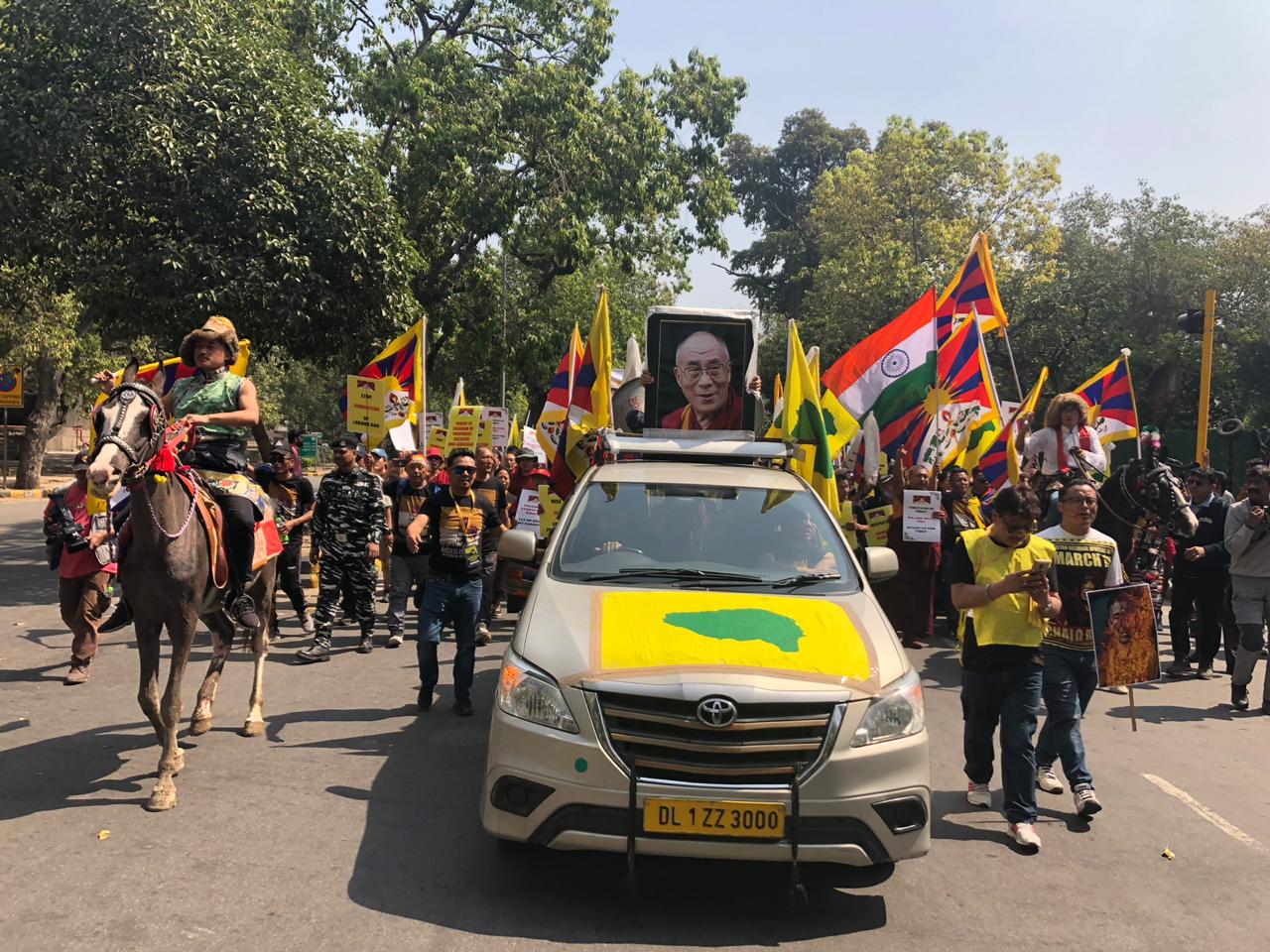


larung-gar-22[11] 13692678_1029936797120033_8302281162697064221_n 13697160_1029936820453364_3108505938117575008_n 13813664_1017836631599236_2309929161950431007_n13709853_1066085560176789_3567913965824362122_n

TYC submits memorandum appeals to the United Nations and the United States Consulate urging for an intervention to stop the demolition of Larung Gar, Tibet’s largest Buddhist center home to over 10,000 monks and nuns. The Communist Chinese government has started demolition work at the site since July 20.

The petitions were delivered by Rtyc Delhi board members today in Delhi.


Save Larung Gar!

The Larung Gar Buddhist Academy, which is probably the world’s largest Buddhist monastic community, was founded by Choeje Yishin Norbu Khenpo Jigme Phuntshok. The academy, as framed by the late Khenpo, has been serving as the wellspring of knowledge. It is also the home for many Buddhist practitioners and the source of happiness for people across the globe. However, the Chinese government has issued an order to reduce the population of the institute to 5,000 residents when there are well over 10,000 monks and nuns alone. The government announced the planned demolition of living quarters, which would leave residential space for only five thousand members. News and photos of the demolition work that began reached us and thus there is a need of urgent action to stop the demolition and Save Larung Gar.


larung-gar-22[11] 13692678_1029936797120033_8302281162697064221_n 13697160_1029936820453364_3108505938117575008_n 13813664_1017836631599236_2309929161950431007_n13709853_1066085560176789_3567913965824362122_n

TYC submits memorandum appeals to the United Nations and the United States Consulate urging for an intervention to stop the demolition of Larung Gar, Tibet’s largest Buddhist center home to over 10,000 monks and nuns. The Communist Chinese government has started demolition work at the site since July 20.

The petitions were delivered by Rtyc Delhi board members today in Delhi.


TYC Condemns China’s Fake Panchen Lama Kalachakra

July 20, 16

Dharamshala: The Communist regime of China has announced that the fake Panchen Lama will be conducting the Kalachakra Teachings in Tibet from July 21-24. This calculated move is another one of Beijing’s strategy to claim their right over everything Tibetan despite the glaring contradiction that a communist government is heavily involved in conducting the affairs of Tibetan religious traditions. Gyaincain Norbu is the boy installed by the Government of China to replace the original Panchen Lama (recognized by HH the Dalai Lama) just few months after the latter’s abduction in 1995. The Dalai Lama and the Panchen Lama are the two highest Buddhist lamas in Tibet. There has been times when the Panchen Lama took lead role in the recognition of the reincarnation of the Dalai Lama and vice versa. The Dalai Lama has been giving the Kalachakra teachings in exile and these teachings are very popular and record high attendance is received. Reports in the media have stated that the government has ordered atleast two person from each family must attend the Kalachakra.

Recently it has been reported that Tibet’s largest Buddhist center Larung Gar Buddhist Academy in Serthar County, Kardze had been ordered by the Chinese government to cut down its strength to 5000 and reduce the number of monks and nuns in the monastery. Therefore, organizing a religious event like the Kalachakra is definitely viewed as a publicity stunt to try and win over the Tibetan people who have continued to resist and protest Chinas illegal rule in Tibet. TYC is outraged and denounces this propaganda by the communist Chinese government.

Tibetan Youth Congress has consistently campaigned for the whereabouts and release of the 11th Panchen Lama but till date the Chinese government has not provided any concrete evidence regarding this matter.

“This Kalachakra teaching is being given by the Panchen Lama who is denounced by Tibetans both inside and outside Tibet. This preposterous effort by the Beijing Government simply exposes their paranoia over losing control over the Tibetan people in Tibet. It is apparent from this move that China realizes that despite 67 years of occupation it has not been able to control the hearts and minds of the Tibetan people and will go at great lengths to attempt to gain that control,” said Tenzing Jigme, President of TYC.


Cycle Rally for Panchen Lama

May 9, 2016

For Immediate Release:

Contact: Tamdin Hrichoe (Tibetan) +91 8894135363

Tsewang Dolma (English) +91 9882510131 Tenzin Wangchuk (Hindi) +91 8527338119

Cycle Rally for Panchen Lama

Dharamshala: In 1995 His Holiness the Dalai Lama recognized a young boy, Gedhun Choekyi Nyima, as the 11th Panchen Lama; the second most important spiritual leader in Tibet. Chinese authorities abducted Gedhun Choekyi Nyima and his family just weeks after; he was six-years old.

Gedhun Choekyi Nyima, the 11th Panchen Lama, and his family have been missing since 1995. The last time we had any information about his whereabouts was in 2010 when Chinese-appointed Tibet Governor, Padma Choling, told reporters that Gedhun Choekyi Nyima and his family are now living a good life as ordinary citizens in Tibet. China seeks to legitimize its rule in Tibet by claiming it plays a crucial role in the identification of Tibet’s two most important spiritual leaders, the Dalai Lama and in this case the Panchen Lama.

After repeated attempts to gain access to the boy, no international agencies or human rights organizations (including the United Nations) have been allowed to visit Gedun Choekyi Nyima or his family, and their condition remains uncertain. In an attempt to establish their authority over all “internal affairs” of China (political or otherwise) the Chinese leadership nominated and selected their own 11th Panchen Lama in November 1995. Their selection of six-year-old boy named Gyaltsen Norbu, is another young victim in China’s plan to undermine and control the Tibetan people, their faith, religion, and their nation.

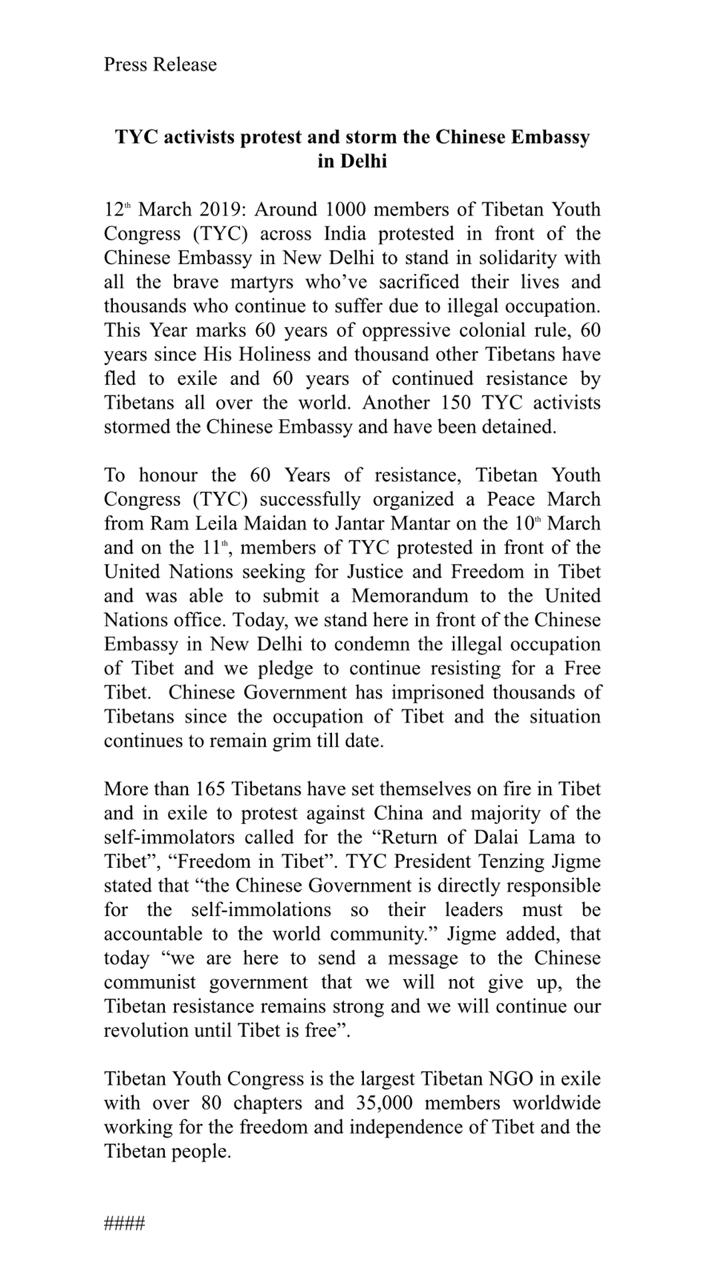
Tibetan Youth Congress (TYC) is organizing a ‘Cycle Rally for Panchen Lama’ to raise awareness about his situation, the condition of Tibetans living under the hardline policies of the Chinese government and show our solidarity to our brothers and sisters inside Tibet. We seek accurate information about Gedhun Choekyi Nyima’s whereabouts and wellbeing and we urge the United Nations as well as governments of the world to pressure the Chinese government to show us concrete evidence that Panchen Lama is indeed alive and well.

Demands:

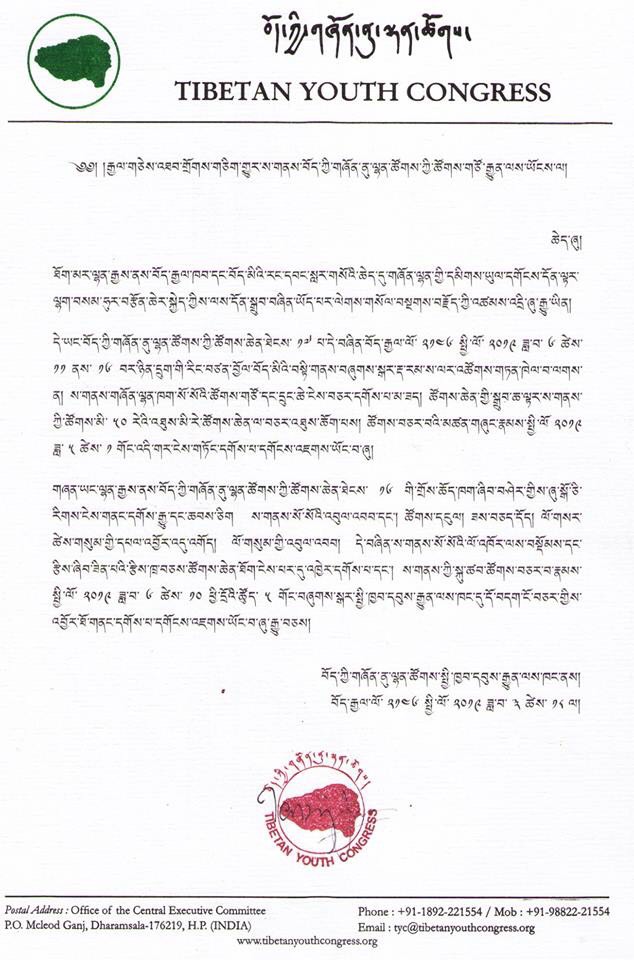
  1. Urge China to give evidence that the 11th Panchen Lama Gendun Choekyi Nyima is alive
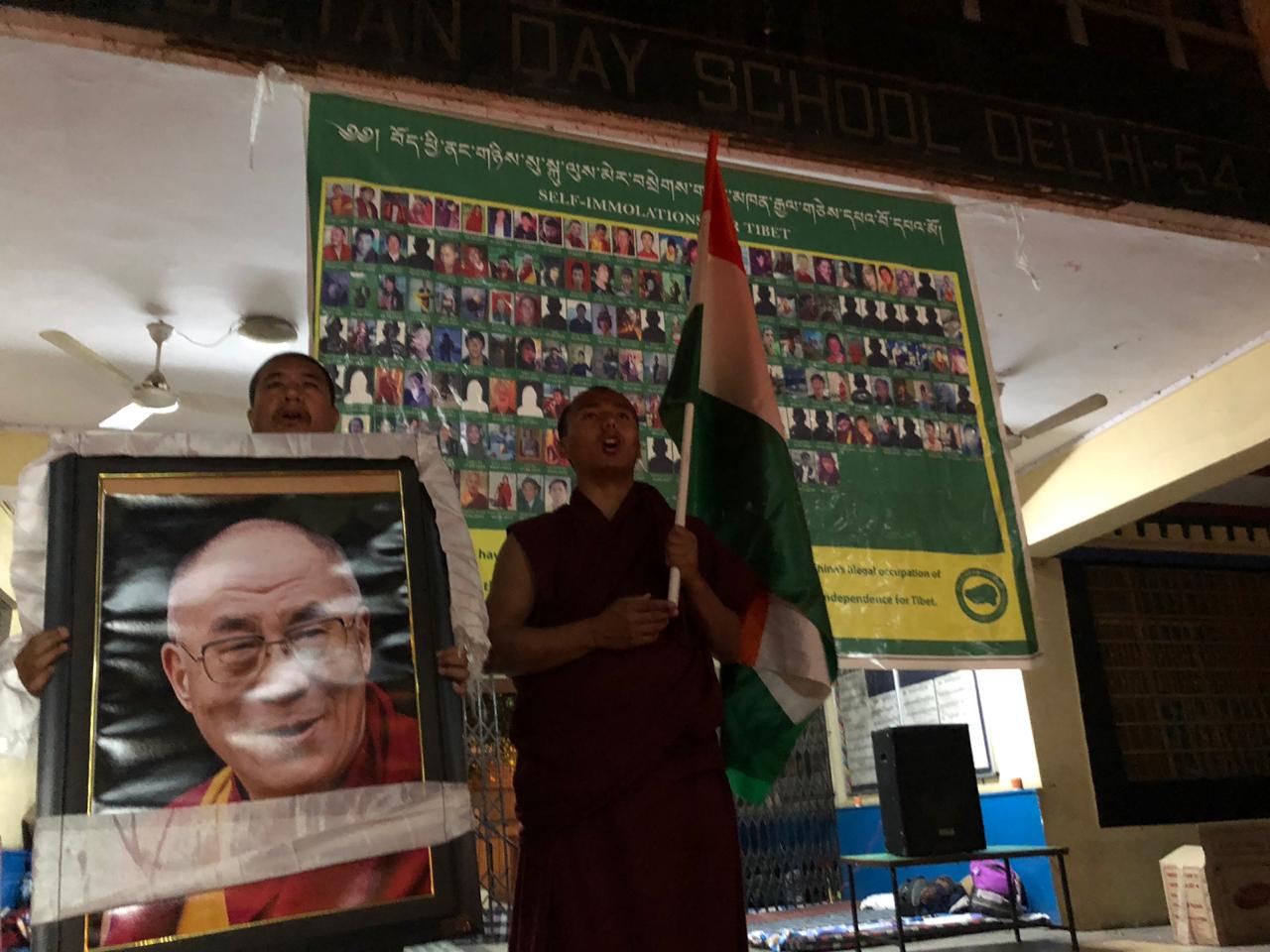
  2. Urge China to address the demands of the Self Immolations in Tibet
  3. Urge China to allow a fact finding international delegation to assess the situation inside Tibet
  4. Urge China to release all political prisoners

The cycle rally will begin from Dehradun on May 17, which is the day when Panchen Lama was arrested and end in Delhi on May 23, 2016. On May 23rd, 1951 the “17-Point Agreement” was signed between Tibet and China under Chinese pressure. “Ending the rally on May 23rd will highlight the facts about the 17 point agreement and our position which is we do not accept the agreement as it was signed under duress”, says TYC VP Tamdin Hrichoe. Tibetans from Dekyiling, Poanta Sahib, Puruwalla, Raipur, Rajpur, Herbertpur, Nainital, Mussorie, Delhi, Dharamshala and Bir Tibetan Settlements will be taking part in this cycle rally.

Tibetan Youth Congress is the largest Tibetan NGO in exile working for the Tibetan Freedom movement.

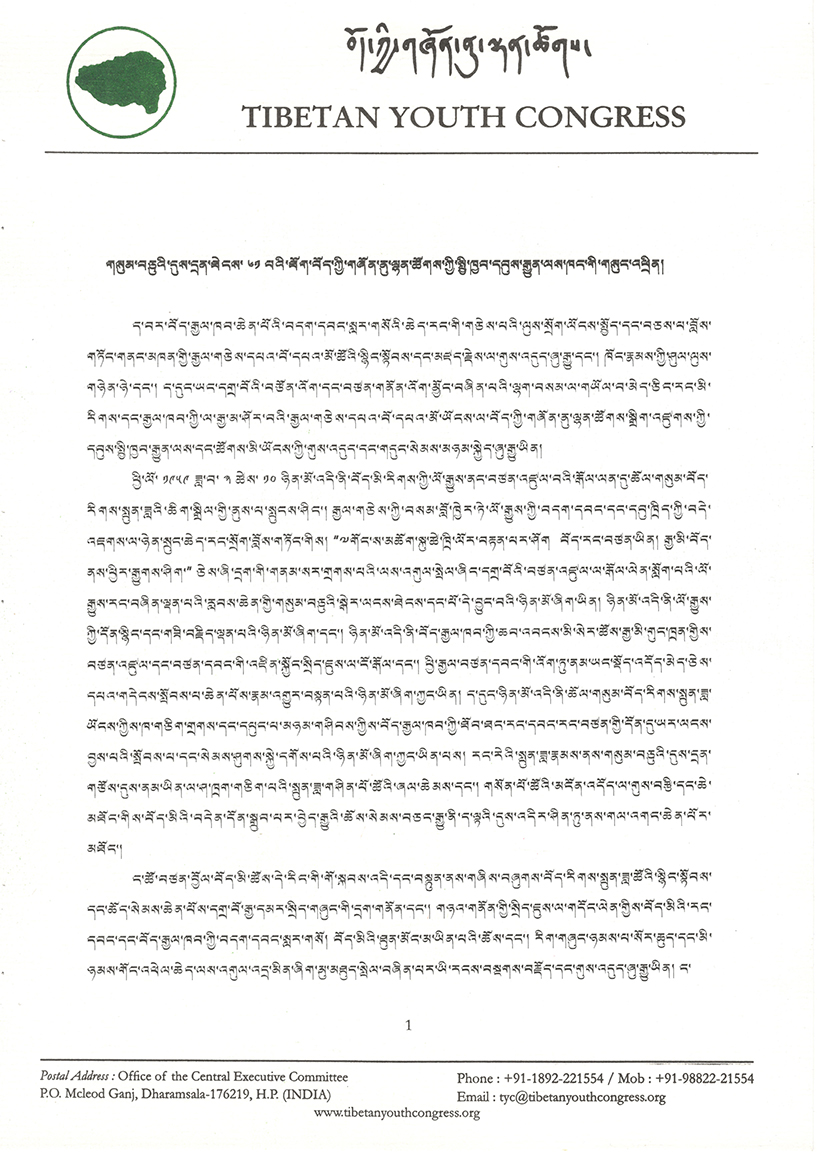
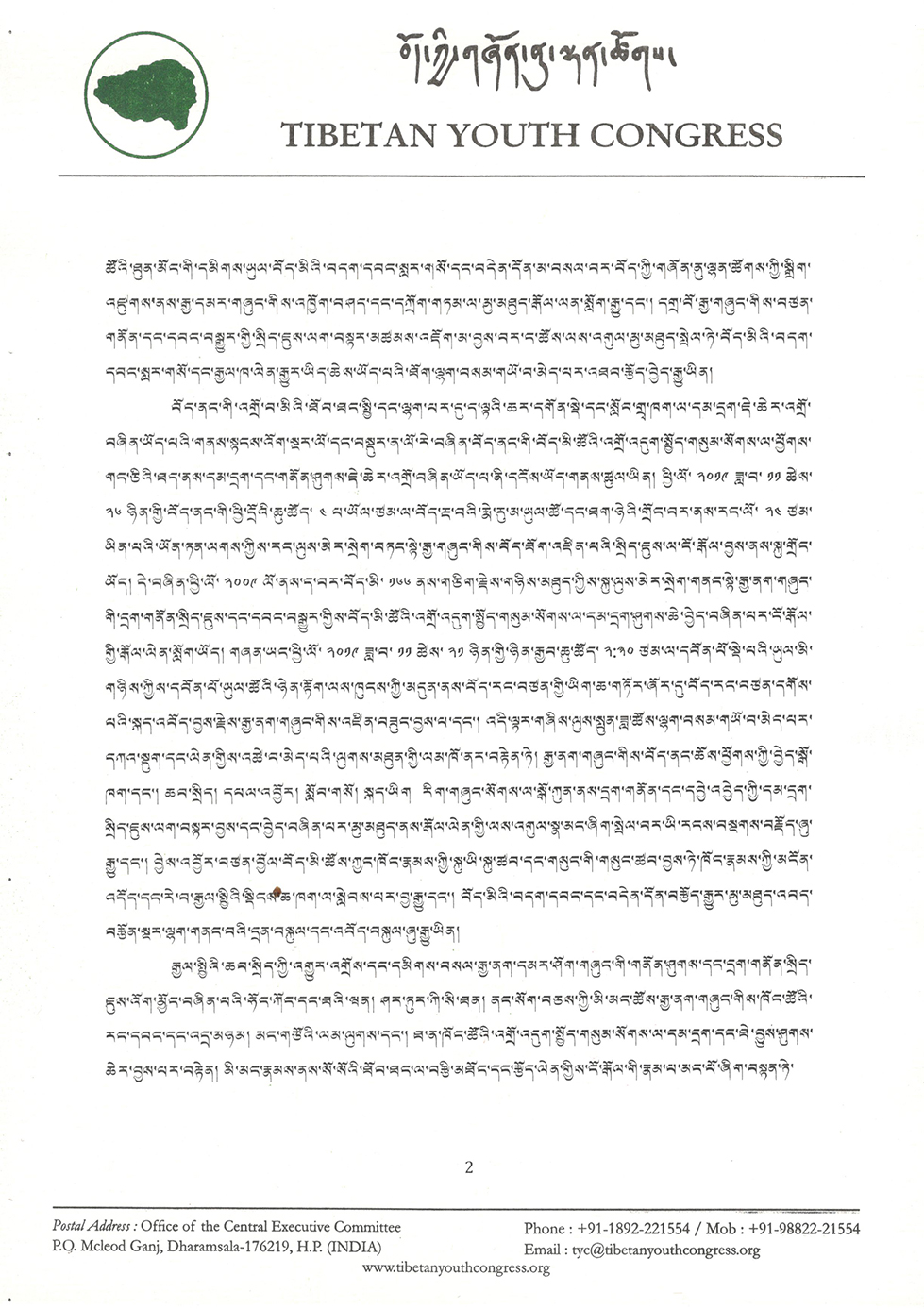
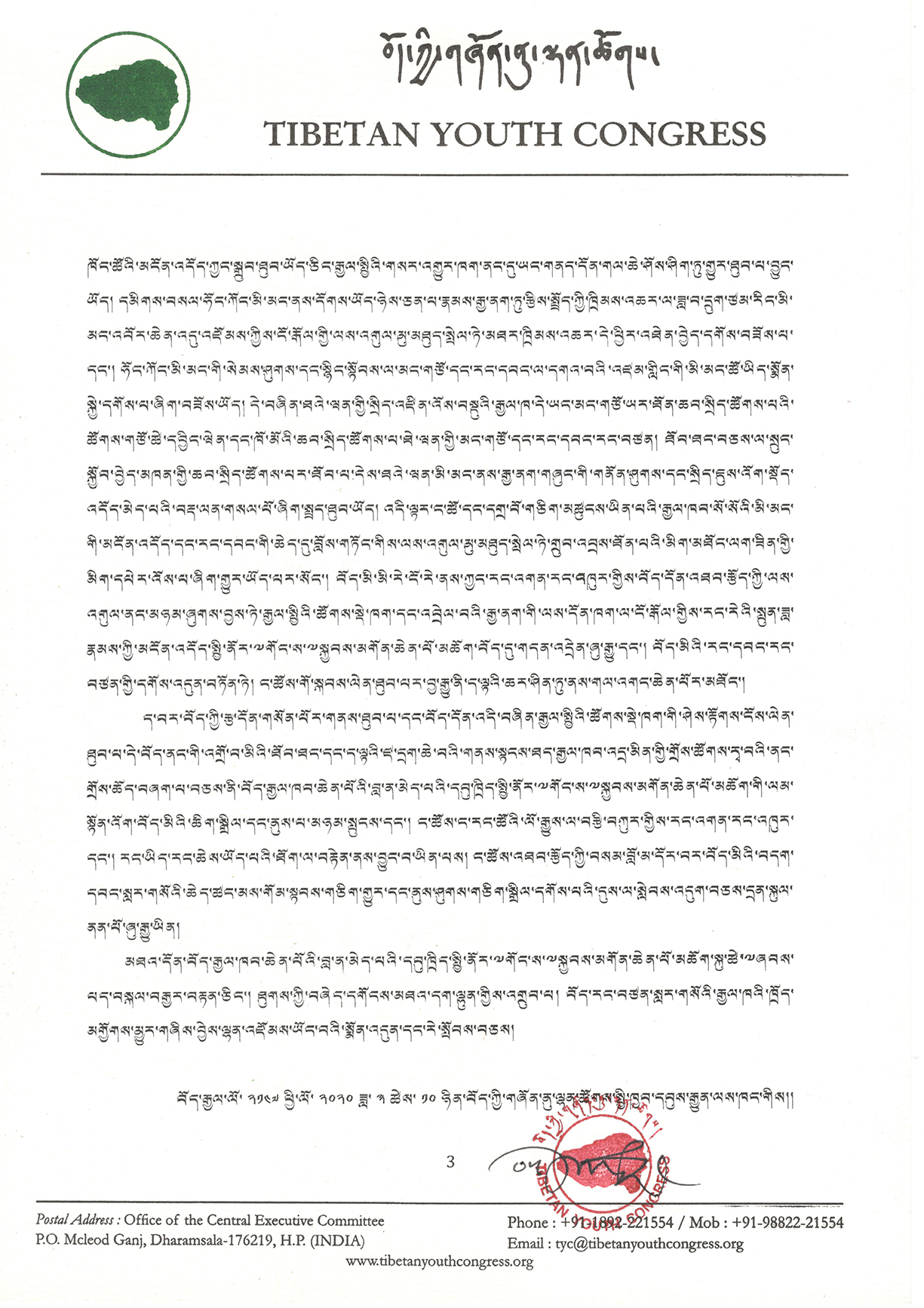
CR.statement.Tib CR.statement.Tib1

cycle rally final our demands

TYC President Interview with Tibet Sun

Majority of members not asking for change in stance: TYC President

Tibetan Youth Congress President Tenzing Jigme at his desk in McLeod Ganj, India, on 19 April 2016.

By Lobsang Wangyal

MCLEOD GANJ, India, 20 April 2016

The largest and most active exile Tibetan organisation, the Tibetan Youth Congress, landed in major trouble in 2013 after eight of the 88 regional chapters withdrew. Then another chapter, New York/New Jersey, was temporarily dissolved, plunging the organisation deeper into controversy.

The cause of the trouble was conflicting items in the aims and objectivesof the organisation, namely the first and the fourth clauses.

Clause one says: To dedicate oneself to the task of serving one’s country and people under the guidance of His Holiness the Dalai Lama, the Spiritual and Temporal Ruler of Tibet.

Clause four says: To struggle for the total independence of Tibet even at the cost of one’s life.

The Dalai Lama had proposed the idea of the ‘Middle-Way’ policy in the 70s, and officially declared the proposal in the European Parliament in Strasbourg in 1988. As a result of an opinion poll in 1997, the Central Tibetan Administration adopted the Middle Way as the official policy to resolve the Tibetan issue with China through dialogue and non-violence, settling for autonomy rather than independence for Tibet.

In May 2013 the eight regional chapters demanded a discussion on TYC’s aims and objectives in their general body meeting, after the Dalai Lama earlier that year expressly stated that independence was not possible to achieve, and affirmed his full confidence in the Middle-Way Policy. The TYC executive members refused to have a discussion, which led to the crisis.

The executive members toured South India earlier this month to try to reconcile with the renegade groups. But it’s not clear what the outcome was as the members were tight-lipped about the tour, and said more will come out in the near future.

Tibet Sun asked TYC president Tenzing Jigme to explain the current situation of the organisation.

TYC announced the termination of all the members of the New York/New Jersey Regional Tibetan Youth Congress (RTYC) in December, but they have refused to accept the order. What is the situation now? Are they still the RTYC New York/New Jersey?

The situation of RTYC/NYNJ is that the chapter still remains a part of TYC Centrex. We have withdrawn the decision to close the chapter, and they have agreed to remain a part of our organisation and abide by all our aims and objectives. So yes, they are still RTYC New York/New Jersey. I am very pleased to inform you that new board members of 14th RTYC/NYNJ were elected in our (Centrex) presence back in January. The matter has been resolved and the official handover to the new board took place on 16 April.

The members have claimed that their ouster by TYC Central was not according to the rules of the organisation. Why have they been ousted, and was their claim right about TYC Central’s disregard of the rules?

I think we need to be clear that no one was ousted by TYC Centrex. We made a decision to temporarily close the chapter, but no one was ousted by us. At the 45th and 46th TYC Working Committee Meeting, the quorum had adopted a resolution giving Centrex the full authority to make decisions on the eight chapters in India as well as New York/New Jersey. So we have not broken any rules regarding this matter.

There is growing demand within the TYC that clauses One and Four of the constitution of the organisation be reviewed, and a decision be made that either TYC follow the first clause and change the goal of TYC to ‘Middle-Way’, or remove the first and stick to Rangzen, as in the fourth clause. During the General Body Meeting in June 2013, eight RTYCs demanded a review of this issue. The demands were rejected by TYC Central, leading to the withdrawal of the eight RTYCs from the organisation. Now New York/New Jersey is asking the same about reviewing the two clauses. Why is this review not being done despite the calls? What is stopping TYC from doing a review?

The first clause of TYC aims and objectives is to follow the guidance of His Holiness the 14th Dalai Lama. I believe that should be the aim or principle of every Tibetan. Our fourth clause is to seek independence for Tibet, which is our right. I don’t think we need to give up seeking our right. Since the inception of the Middle-Way Approach in 1980 until now, over the last forty years we did not have any issues. TYC’s charter was formed in 1970. Both political stands have co-existed in the past without any problems. More importantly, what I really think needs to happen in our exile diaspora is that we need to comprehend ongoing discussions in our political discourse, and pay attention to elements that seem to be intruding into our society and our communities to divide us vis-a-vis Rangzen vs MW or Regionalism or Sectarianism.

We have eighty-eight chapters under our organisation. A few chapters have made demands to review or change our core aims, but like in any democratic organisation, for changes to take place it must happen according to the organisation’s rules and regulations. All articles of TYC’s charter can be reviewed and even amended through a process. If a majority of TYC chapters call for an article to be amended, then we as Centrex have to listen to their demands and bring that amendment to a discussion and ultimately vote on that new resolution at our General Body Meeting, which is the highest decision-making body of TYC. So we have always said that if you want change in TYC’s Charter, then you need to be a part of the process for change, and then you have to respect the decision of the majority. Out of eighty-eight chapters, eight chapters want TYC to change its political stand. That’s not a majority.

Among the eight chapters that had withdrawn from TYC, the four from South India form the biggest and most crucial chapters of TYC. Has their withdrawal caused any impact on the functioning of the organisation?

The eight chapters made a decision in 2013 that they would not be under TYC Centrex. Since then we have made several appeals to them to resolve the issue. Yes, four of the chapters belong to the biggest settlements in our Tibetan community in India, but I don’t know if they are the most crucial. It really depends on how you look at it. However, every chapter and member is important to us and we do understand the need for the organisation to remain united. Therefore, we are seeking a path to where we can resolve the issue with the chapters who have withdrawn from being under Centrex. If we are not able to resolve the issue then we will make a decision on their status, as a resolution was adopted at the 2015 46th TYC Working Committee Meeting in Delhi, that Centrex needs to make a clear-cut verdict on the eight chapters as well as New York/New Jersey.

TYC has been promoting itself as the NGO with the largest membership of any organisation in the exile Tibetan world. With the withdrawal of the eight RTYCs, what’s the difference in membership numbers between now and then?

We are truly blessed to have such an organisation like TYC, which gives Tibetans the opportunity to serve our country and our people. There is a whole new generation of young Tibetans both in exile and inside Tibet that are committing themselves to our struggle like never before. TYC thus plays a very important role in organising, educating, and mobilising [our youth] to channel their resources, their energy, and their spirit towards strengthening the struggle for Tibet’s freedom and independence.

Even though eight chapters have withdrawn from being under Centrex, there is no significant change in the membership of TYC as we have not received resignation of any individual members yet. As a matter of fact, I would think our membership has even grown stronger as we have witnessed younger Tibetans wanting to get involved in our struggle and be a part of this significant organisation — an organisation that China wants to see destroyed but which remains strong due to the spirit, determination, and courage of Tibetans to win their freedom back. The aspiration and resilience of Tibetans in exile and Tibetans inside Tibet for the freedom and independence of our nation is what will keep TYC thriving and our struggle alive.

TYC President Interview with Tibet Sun

Majority of members not asking for change in stance: TYC President

Tibetan Youth Congress President Tenzing Jigme at his desk in McLeod Ganj, India, on 19 April 2016.

By Lobsang Wangyal

MCLEOD GANJ, India, 20 April 2016

The largest and most active exile Tibetan organisation, the Tibetan Youth Congress, landed in major trouble in 2013 after eight of the 88 regional chapters withdrew. Then another chapter, New York/New Jersey, was temporarily dissolved, plunging the organisation deeper into controversy.

The cause of the trouble was conflicting items in the aims and objectivesof the organisation, namely the first and the fourth clauses.

Clause one says: To dedicate oneself to the task of serving one’s country and people under the guidance of His Holiness the Dalai Lama, the Spiritual and Temporal Ruler of Tibet.

Clause four says: To struggle for the total independence of Tibet even at the cost of one’s life.

The Dalai Lama had proposed the idea of the ‘Middle-Way’ policy in the 70s, and officially declared the proposal in the European Parliament in Strasbourg in 1988. As a result of an opinion poll in 1997, the Central Tibetan Administration adopted the Middle Way as the official policy to resolve the Tibetan issue with China through dialogue and non-violence, settling for autonomy rather than independence for Tibet.

In May 2013 the eight regional chapters demanded a discussion on TYC’s aims and objectives in their general body meeting, after the Dalai Lama earlier that year expressly stated that independence was not possible to achieve, and affirmed his full confidence in the Middle-Way Policy. The TYC executive members refused to have a discussion, which led to the crisis.

The executive members toured South India earlier this month to try to reconcile with the renegade groups. But it’s not clear what the outcome was as the members were tight-lipped about the tour, and said more will come out in the near future.

Tibet Sun asked TYC president Tenzing Jigme to explain the current situation of the organisation.

TYC announced the termination of all the members of the New York/New Jersey Regional Tibetan Youth Congress (RTYC) in December, but they have refused to accept the order. What is the situation now? Are they still the RTYC New York/New Jersey?

The situation of RTYC/NYNJ is that the chapter still remains a part of TYC Centrex. We have withdrawn the decision to close the chapter, and they have agreed to remain a part of our organisation and abide by all our aims and objectives. So yes, they are still RTYC New York/New Jersey. I am very pleased to inform you that new board members of 14th RTYC/NYNJ were elected in our (Centrex) presence back in January. The matter has been resolved and the official handover to the new board took place on 16 April.

The members have claimed that their ouster by TYC Central was not according to the rules of the organisation. Why have they been ousted, and was their claim right about TYC Central’s disregard of the rules?

I think we need to be clear that no one was ousted by TYC Centrex. We made a decision to temporarily close the chapter, but no one was ousted by us. At the 45th and 46th TYC Working Committee Meeting, the quorum had adopted a resolution giving Centrex the full authority to make decisions on the eight chapters in India as well as New York/New Jersey. So we have not broken any rules regarding this matter.

There is growing demand within the TYC that clauses One and Four of the constitution of the organisation be reviewed, and a decision be made that either TYC follow the first clause and change the goal of TYC to ‘Middle-Way’, or remove the first and stick to Rangzen, as in the fourth clause. During the General Body Meeting in June 2013, eight RTYCs demanded a review of this issue. The demands were rejected by TYC Central, leading to the withdrawal of the eight RTYCs from the organisation. Now New York/New Jersey is asking the same about reviewing the two clauses. Why is this review not being done despite the calls? What is stopping TYC from doing a review?

The first clause of TYC aims and objectives is to follow the guidance of His Holiness the 14th Dalai Lama. I believe that should be the aim or principle of every Tibetan. Our fourth clause is to seek independence for Tibet, which is our right. I don’t think we need to give up seeking our right. Since the inception of the Middle-Way Approach in 1980 until now, over the last forty years we did not have any issues. TYC’s charter was formed in 1970. Both political stands have co-existed in the past without any problems. More importantly, what I really think needs to happen in our exile diaspora is that we need to comprehend ongoing discussions in our political discourse, and pay attention to elements that seem to be intruding into our society and our communities to divide us vis-a-vis Rangzen vs MW or Regionalism or Sectarianism.

We have eighty-eight chapters under our organisation. A few chapters have made demands to review or change our core aims, but like in any democratic organisation, for changes to take place it must happen according to the organisation’s rules and regulations. All articles of TYC’s charter can be reviewed and even amended through a process. If a majority of TYC chapters call for an article to be amended, then we as Centrex have to listen to their demands and bring that amendment to a discussion and ultimately vote on that new resolution at our General Body Meeting, which is the highest decision-making body of TYC. So we have always said that if you want change in TYC’s Charter, then you need to be a part of the process for change, and then you have to respect the decision of the majority. Out of eighty-eight chapters, eight chapters want TYC to change its political stand. That’s not a majority.

Among the eight chapters that had withdrawn from TYC, the four from South India form the biggest and most crucial chapters of TYC. Has their withdrawal caused any impact on the functioning of the organisation?

The eight chapters made a decision in 2013 that they would not be under TYC Centrex. Since then we have made several appeals to them to resolve the issue. Yes, four of the chapters belong to the biggest settlements in our Tibetan community in India, but I don’t know if they are the most crucial. It really depends on how you look at it. However, every chapter and member is important to us and we do understand the need for the organisation to remain united. Therefore, we are seeking a path to where we can resolve the issue with the chapters who have withdrawn from being under Centrex. If we are not able to resolve the issue then we will make a decision on their status, as a resolution was adopted at the 2015 46th TYC Working Committee Meeting in Delhi, that Centrex needs to make a clear-cut verdict on the eight chapters as well as New York/New Jersey.

TYC has been promoting itself as the NGO with the largest membership of any organisation in the exile Tibetan world. With the withdrawal of the eight RTYCs, what’s the difference in membership numbers between now and then?

We are truly blessed to have such an organisation like TYC, which gives Tibetans the opportunity to serve our country and our people. There is a whole new generation of young Tibetans both in exile and inside Tibet that are committing themselves to our struggle like never before. TYC thus plays a very important role in organising, educating, and mobilising [our youth] to channel their resources, their energy, and their spirit towards strengthening the struggle for Tibet’s freedom and independence.

Even though eight chapters have withdrawn from being under Centrex, there is no significant change in the membership of TYC as we have not received resignation of any individual members yet. As a matter of fact, I would think our membership has even grown stronger as we have witnessed younger Tibetans wanting to get involved in our struggle and be a part of this significant organisation — an organisation that China wants to see destroyed but which remains strong due to the spirit, determination, and courage of Tibetans to win their freedom back. The aspiration and resilience of Tibetans in exile and Tibetans inside Tibet for the freedom and independence of our nation is what will keep TYC thriving and our struggle alive.

Back To Top