TYC Commemorates the 113th Anniversary of Tibet’s Declaration of Independence in Taiwan and Dharamshala

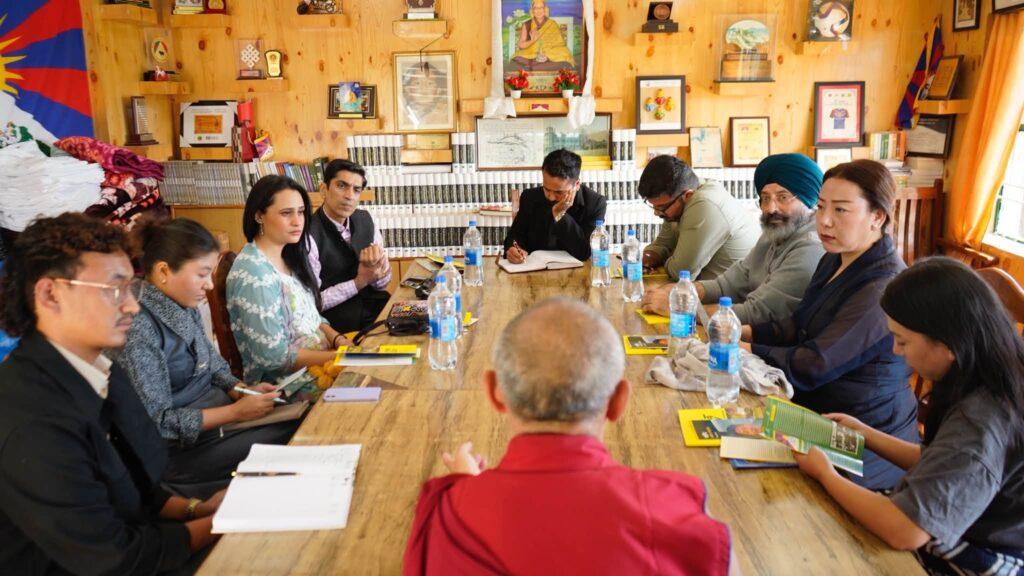
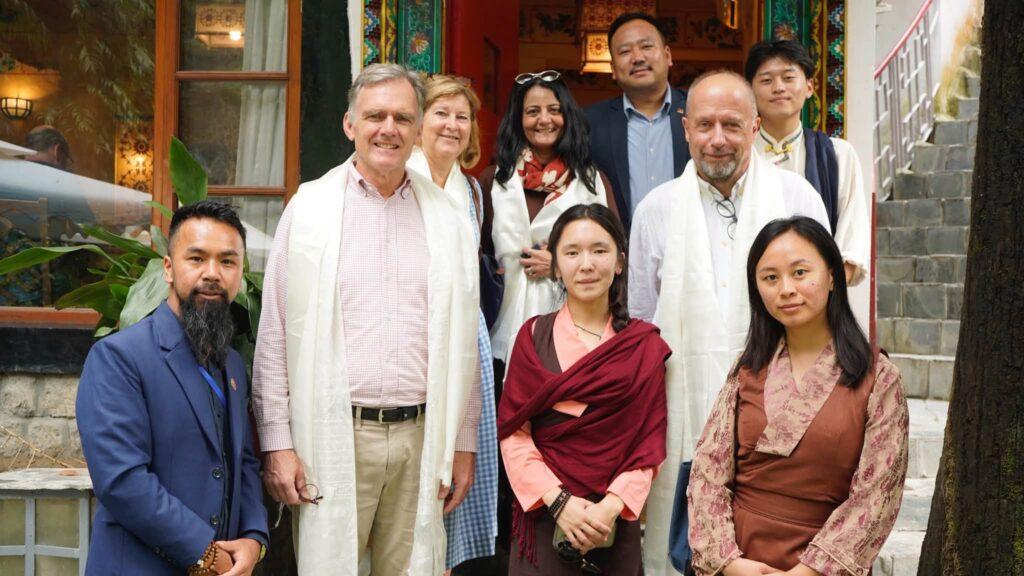
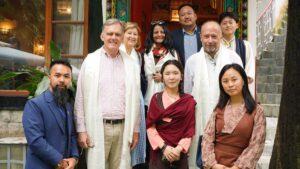
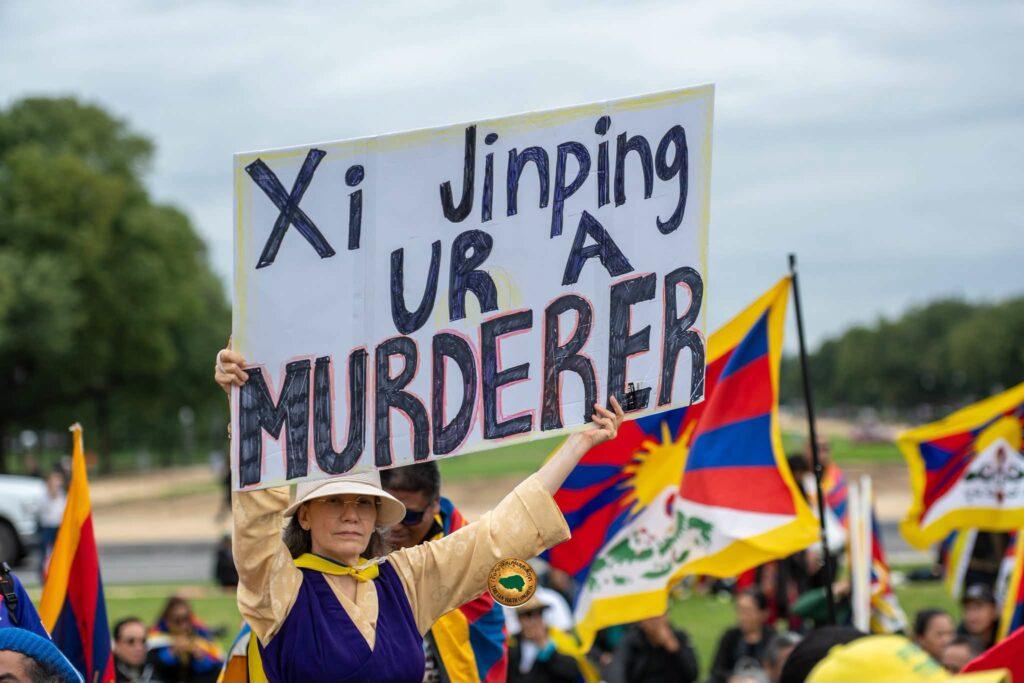
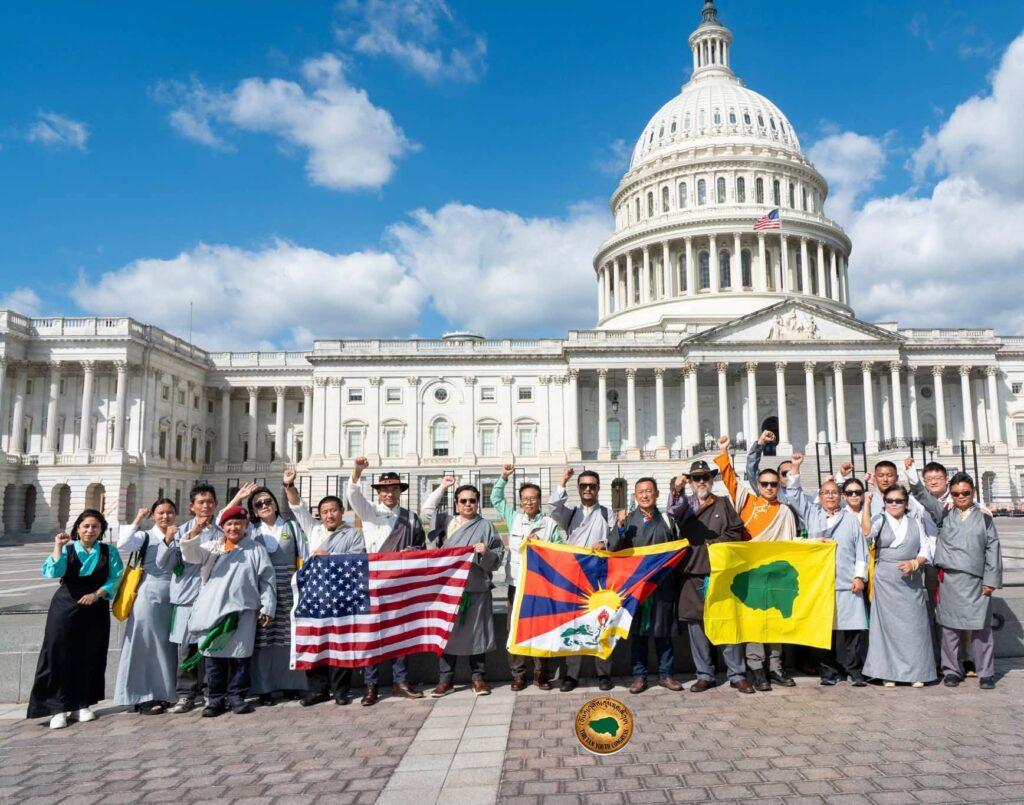
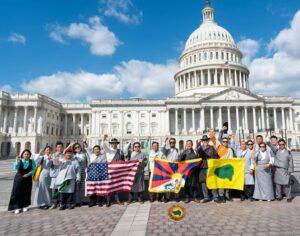
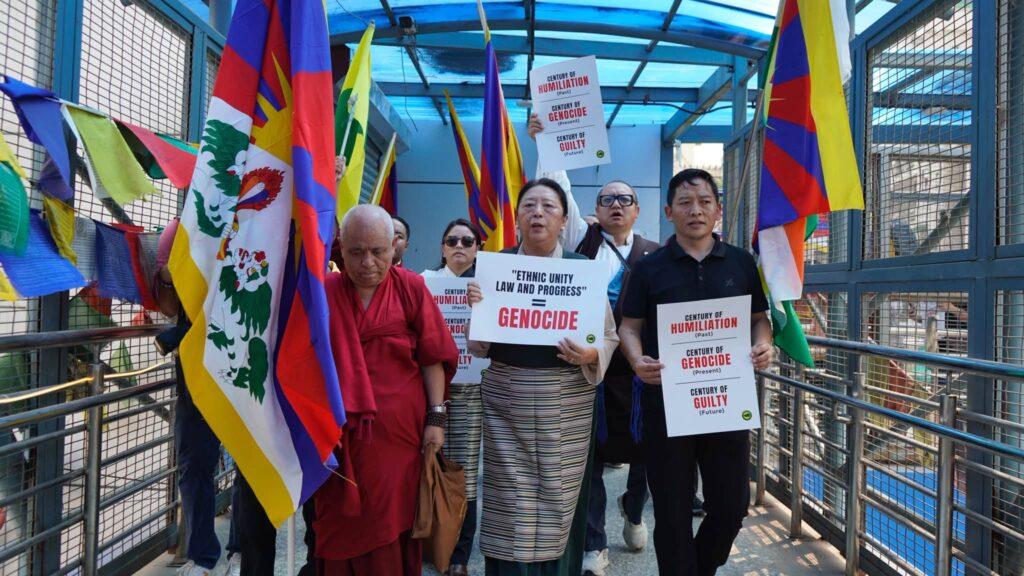
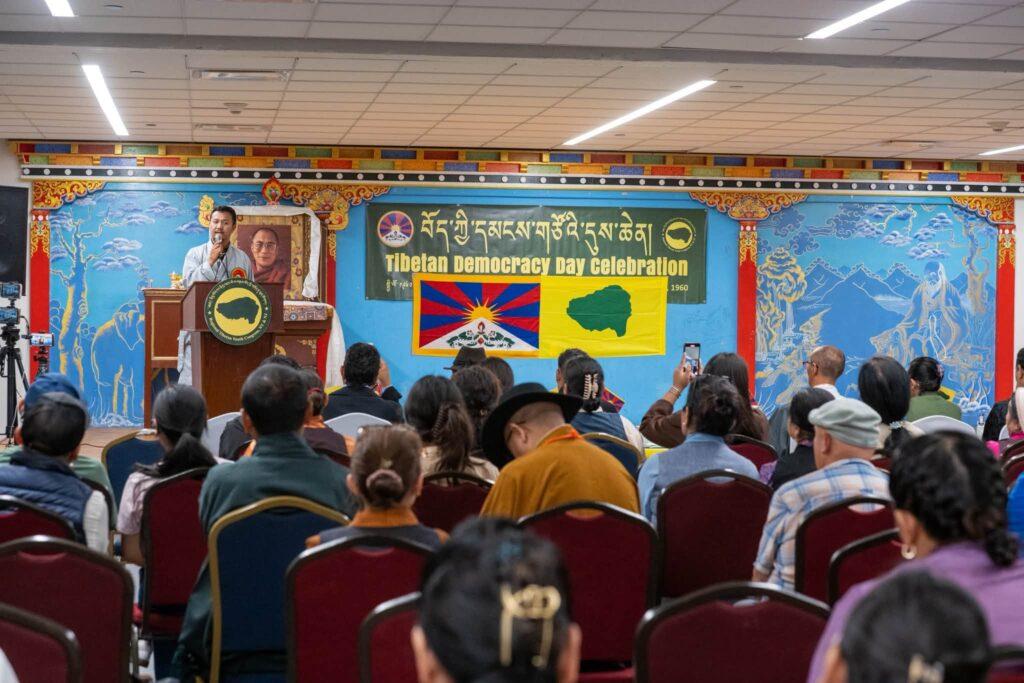
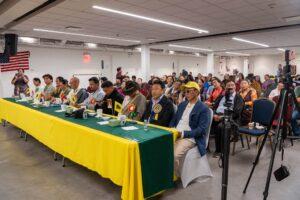
On 13th February, 2026, The Tibetan Youth Congress (TYC), in collaboration with the Human Rights Network for Tibet and Taiwan (HRNTT), organized a series of commemorative events in Taipei City to mark the 113th Anniversary of Tibet’s Declaration of Independence.

Press Conference in Taipei

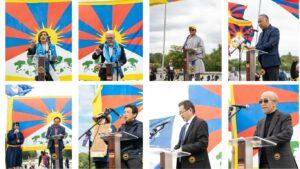
The commemoration began with a press conference featuring distinguished speakers from Taiwan’s human rights community, including:

  • Yang Tsung-li – Executive Director, Koo Kwang-ming Foundation; Board Member, Human Rights Network for Tibet and Taiwan

  • Yang Chang-chen – Co-founder, Friends of Tibet (Taiwan)

  • Huang Hao-cheng – Assistant for Tibetan Affairs

  • Wu Jiazhen – Deputy Director, Taiwan Alliance to End the Death Penalty (serving as translator)

Speakers emphasized the historical and contemporary importance of Tibet’s 1913 proclamation and reaffirmed solidarity between the peoples of Taiwan and Tibet.

Philosophy Friday Talk Show

Following the press conference, a special presentation titled “The Hidden Day: 113th Anniversary of the Tibetan Declaration of Independence” was held at Touatbooks as part of its Philosophy Friday series.

The event featured:

  • Yu He – Host; Director, Taipei Thought and Culture Association

  • Tsering Chomphel – President, Tibetan Youth Congress

  • Tashi Targyal – Vice President, Tibetan Youth Congress

  • Dr. Song-Lih Huang – Director, Human Rights Policy Center (Translator)

  • Huang Yi-bee – CEO, Covenants Watch

The discussion explored the historical significance of the 1913 proclamation and its enduring relevance to Tibet’s ongoing struggle for freedom.

The day’s events concluded with a productive dinner discussion hosted by the CEO and Director of Covenants Watch, with continued dialogue involving Huang Yi-bee and Dr. Song-Lih Huang.

TYC expresses its deep gratitude to the government and people of Taiwan for their unwavering support for the Tibetan people and our freedom movement. Special appreciation is extended to the Human Rights Network for Tibet and Taiwan for hosting TYC in Taiwan, to Ms. Hsinyi Lin for her long-standing friendship and support, and to Tashi Tsering-la, founder of HRNTT, former Regional Tibetan Youth Congress (Taiwan), and one of the most proactive Tibetan activists.

Commemoration in Dharamshala, India

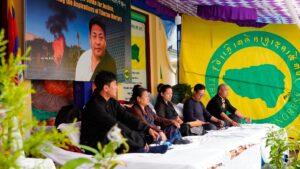
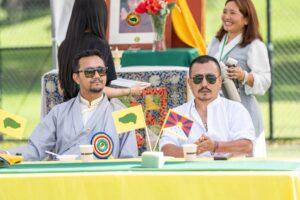
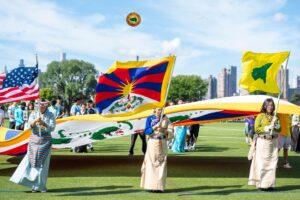
On the same day in Dharamshala, India, the Tibetan Youth Congress and Students for a Free Tibet–India jointly commemorated and celebrated the 113th Anniversary of the Proclamation of Tibet’s Independence by His Holiness the Great 13th Dalai Lama in 1913. The event was held at Bhagsu Hotel.

The program honored the historic proclamation reaffirming Tibet’s independence and reflected on its lasting importance for the Tibetan people.

The event included:

  • Addresses by representatives of Tibetan Youth Congress and SFT–India

  • A musical performance by Jhola (@techungtibet)

  • An exhibition of Tibetan national currency organized with the support of the Tibet Museum (@thetibetmuseum)

  • Reflections on the historical and contemporary relevance of the 1913 Proclamation

The celebration also featured traditional Tibetan games such as sho (Tibetan dice game), Tibetan tug-of-war, traditional weightlifting, and a Tibetan-style tambola. One of the most unique aspects of the event was the symbolic circulation of Tibetan currency, which participants exchanged for Indian rupees.

The commemorative program concluded with gorshey, a traditional Tibetan group dance, bringing the day’s celebration to a vibrant and unified close.

Commemoration of 113th tibet’s declaration of independence in Dharamshala- video 


pictures from Voice of Tibet

Statement by the Tibetan Youth Congress on the 113th Anniversary of Tibet’s Declaration of Independence

TIBETAN YOUTH CONGRESS STATEMENT
113th Anniversary of Tibet’s Declaration of Independence
(13 February 1913)
On the 113th anniversary of Tibet’s Declaration of Independence, the Tibetan Youth Congress (TYC) once again reaffirms that Tibet has always been an independent nation and shall remain so. Contrary to the false claims propagated by the so-called People’s Republic of China (PRC), Tibet’s historical relationship with neighbouring powers, including the Mongol Khans and later the Ming and Manchu (Qing) emperors, was based on the Preceptor Patron (Chö-yon) relationship. This relationship was one of mutual spiritual and material support and never one of political subordination. At no point did it signify Tibet’s incorporation into China as a sovereign territory.
Following China’s unlawful invasion of Tibet, the PRC constructed a fabricated historical narrative to justify its actions under the guise of “liberation,” falsely asserting that Tibet and China are one nation. However, extensive historical evidence, from Tibet’s imperial period through the early twentieth century, clearly demonstrates Tibet’s status as a distinct and independent country.
A particularly compelling example lies in the reign of His Holiness the 13th Dalai Lama. On 13 February 1913, after the collapse of the Manchu Qing dynasty, His Holiness issued a proclamation declaring Tibet’s independence. This declaration followed years of Chinese military aggression in eastern Tibet and the deployment of Chinese troops to Lhasa under the pretext of safeguarding Tibet. Despite repeated clarifications that Tibet’s relationship with China was spiritual rather than political, Chinese forces attempted to abduct and assassinate His Holiness, which ultimately forced him into exile in India.
After the fall of the Qing dynasty, Tibetans from all social strata successfully expelled Chinese troops from central Tibet. Upon his return to Lhasa, His Holiness the 13th Dalai Lama issued a Five Point Decree. In the fourth point, he clearly stated: “Though not prosperous or technologically advanced like other countries, Tibet is an independent nation living in peace and governed by religious principles.”
Further evidence of Tibet’s independence can be found in the 1888 Sikkim Expedition, as documented in British historical records. In 1890, the British government signed a treaty with China concerning the Tibet-Sikkim border and trade relations. This treaty later became ineffective when the British realized that Tibet was not bound by it and that China had no authority to enforce it within Tibet. This realization implicitly acknowledged Tibet’s independent status.
Even the so-called Seventeen Point Agreement of 1951 serves as evidence of Tibet’s independence, as China deemed it necessary to negotiate and obtain signatures from Tibetan representatives rather than exercising sovereign authority.
Tibet’s system of governance has always been unique, with His Holiness the Dalai Lama serving as both the spiritual and temporal leader. Therefore, religion plays a central role in Tibetan political and social life. In 2007, the Chinese State Administration of Religious Affairs issued Order No. 5, asserting state control over the recognition of reincarnated Tibetan lamas. This order requires government approval for religious reincarnation and represents a direct interference in Tibetan Buddhism.
In 1995, Chinese authorities abducted the 11th Panchen Lama, Gedhun Choekyi Nyima, and appointed a state-selected alternative. This act was intended to control the future recognition of the Dalai Lama’s reincarnation and further undermines Tibetan religious freedom under the watch of the international community.
Tibet’s struggle for independence is firmly grounded in international law, particularly the right to self-determination as enshrined in the Charter of the United Nations and the International Covenant on Civil and Political Rights. The Tibetan people, as a distinct nation with a unique history, culture, language, and governance system, are entitled to freely determine their political status and pursue their economic, social, and cultural development without external coercion.
The Tibetan Youth Congress reiterates that the Tibetan freedom movement is fundamentally non-violent and rooted in democratic values, justice, and respect for human rights. To the United Nations, its member states, parliamentarians, international organizations, supporters of Tibet, democratic nations, political activists, and environmentalists, we express our hope that you will continue to stand in solidarity with the Tibetan cause. We urge the international community to acknowledge Tibet’s historical status, to hold the People’s Republic of China accountable for its violations of international law, and to work collectively to end the suffering of the Tibetan people.
On this solemn anniversary of Tibet’s Declaration of Independence, the Tibetan Youth Congress declares that it will not bend under Chinese oppression and will continue its peaceful and determined struggle for the restoration of Tibet’s independence.
ONE DAY TIBET WILL BE FREE, VICTORY OF TIBET
Tibetan Youth Congress

Free Tibet Cycle Rally 2026 (Taiwan)

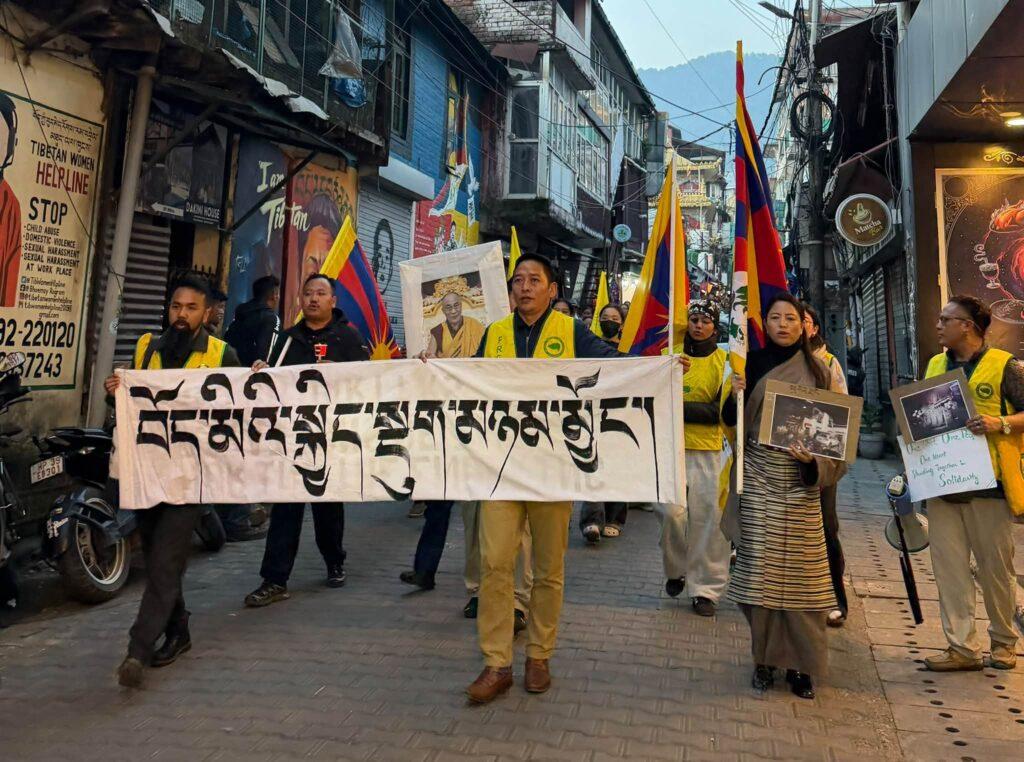
On 11 February 2026, President Mr. Tsering Chomphel and Vice President Mr. Tashi Thargyal of the Tibetan Youth Congress (TYC) participated in the Free Tibet Cycle Rally organized by the Human Rights Network for Tibet and Taiwan.

During the rally, President Tsering Chomphel addressed the current situation inside Tibet, highlighting the ongoing human rights challenges faced by Tibetans. He raised concerns about China’s transnational repression, specifically referring to the case of Jimmy Lai. He also spoke about the Sinicization policy imposed in Tibet, which threatens Tibetan religion, culture, and national identity.

The President emphasized that the reincarnation of 14th Dalai Lama is a purely religious matter and must not be politicized. He further expressed support for His Holiness’s statement issued on 2 July 2025 regarding the future of his reincarnation, and acknowledged the support shown by the Taiwan government.

In his concluding remarks, President Tsering Chomphel expressed hope that one day Tibet, Hong Kong, East Turkistan, and South Mongolia will be free from Chinese Communist Party rule.

The President’s speech was translated  by Ms. Huang Yi-bee, CEO of Covenants Watch.

Speakers at the Rally

The rally also featured speeches by:

  • Ms. Hsinyi Lin, Executive Director of the Taiwan Alliance to End the Death Penalty

  • Tashi Tsering, Founder of the Human Rights Network for Tibet and Taiwan

  • Sky Fung, Secretary General of Hong Kong Outlanders

  • Tong Fu-tong, Exiled Hong Kong activist in Taiwan

  • Kao Cheng-yung, Researcher at the Economic Democracy Union

All speakers expressed solidarity with Tibet, Hong Kong, East Turkistan, and South Mongolia, and reaffirmed their commitment to safeguarding freedom and democracy in Taiwan.

The 2026 Free Tibet Cycle Rally concluded with strong unity, solidarity, and a shared call for freedom and human rights.

At the end of the day, Tashi Tsering kindly invited the TYC President and Vice President for coffee at Guanfu Market, where they continued their discussions in a warm and friendly atmosphere.

#FreeTibet #StandWithTibet #HumanRights #FreeHongKong #KeepTaiwanFree

Strengthening Ties: TYC Leaders Commence Official Visit to Taiwan

On 10 February 2026, the President of the Tibetan Youth Congress (TYC), Mr. Tsering Chomphel, and Vice President, Mr. Tashi Targyal, arrived in Taiwan for an official visit. Upon their arrival, they were warmly received by Mr. Tashi Tsering, Founder of the Human Rights Network for Tibet and Taiwan, and former President of the Regional Tibetan Youth Congress (RTYC) Taiwan.

Later in the evening, the TYC President and Vice President paid a formal courtesy visit to the Tibetan Representative Office in Taipei, where they met with Ambassador Kunga Bawa Kalsang Gyaltsen. Discussions during the meeting centered on upcoming Tibetan Youth Congress programs and activities scheduled to take place in Taiwan.
The leaders also met with long-time Tibetan supporter and TYC friend, Ms. Hsinyi Lin, Executive Director of the Taiwan Alliance to End the Death Penalty. Their discussion focused on finalizing the schedule and coordination of programs planned for the upcoming week.

A Moment of Pride: Tibetans Celebrate His Holiness the Dalai Lama’s Grammy Win

On 1 February 2026, His Holiness the 14th Dalai Lama was honored with one of the world’s most prestigious recognitions—the Grammy Award for Best Audio Book, Narration & Storytelling Recording—for his album Meditations: The Reflections of His Holiness the Dalai Lama. The award stands as a global acknowledgment of his lifelong message of compassion, peace, and spiritual wisdom.

However, on 2 February 2026, China’s Foreign Ministry spokesperson, Lin Jian, issued a statement criticizing the recognition, branding His Holiness as a “separatist” and describing the award as a political tool for anti-China manipulation.

Despite these remarks, Tibetans across the world responded not with anger, but with dignity and unwavering conviction. Refusing to cower under criticism or intimidation, the Tibetan Youth Congress, along with Tibetan communities worldwide, organized celebratory events to honor this historic achievement. The celebrations were not merely about receiving an award—they were a reaffirmation of truth, resilience, and unity.

For Tibetans, the Grammy recognition represents global appreciation of His Holiness’s authentic voice and message of nonviolence, compassion, and universal responsibility. Attempts to politicize or discredit the award do not diminish its legitimacy nor the profound respect he commands internationally. No narrative can erase the decades of humanitarian work, spiritual leadership, and moral guidance that have earned him admiration across cultures and nations.

The celebrations reflected collective pride and solidarity. They demonstrated that no external statement can overshadow the joy felt by millions who see this recognition as fully deserved. Efforts to defame His Holiness cannot alter the truth of his contributions to humanity, nor can they silence the global acknowledgment of his teachings.

This Grammy Award is more than a personal honor, it is a testament to the enduring power of compassion over criticism, truth over distortion, and unity over division.

Statement (Tibetan) (English)

Tibetan Language Day: A Tribute to the 10th Panchen Lama, Choekyi Gyaltsen

On 28 January 2026, the Tibetan Youth Congress (TYC) organized an All-India Panel Discussion across various states in India, with the main program held at the Dharamshala Tibetan Settlement Hall. The event was convened to commemorate Tibetan Language Day and to pay tribute to the 10th Panchen Lama, Choekyi Gyaltsen.

The panel featured distinguished speakers, including Dr. Rongpo Lobsang Nyandak la, Professor and historian Dr. Tsangduk Top la, Dr. Gyal Lo la, and former political prisoner Venerable Ngawang Woebar la. The discussion focused on the enduring legacy of the 10th Panchen Lama, highlighting his fearless contributions to the Tibetan national struggle and his pivotal role in preserving the Tibetan language, culture, and national identity inside Tibet.

The panelists underscored the historic significance of the 10th Panchen Lama in the Tibetan resistance movement, emphasizing his moral courage and principled leadership following the annexation of Tibet by the so-called People’s Republic of China (PRC). His life and actions continue to inspire Tibetans, serving as a powerful symbol of truth, resilience, and steadfast resistance in the face of oppression.

In other states, the program was jointly organized by the Tibetan Youth Congress, in collaboration with its regional chapters and college units across India, such as Sarah, Rohini, Varanasi, Bangalore, Mangalore, and Baroda. As part of the Tibetan Language Day commemoration and in tribute to the 10th Panchen Lama, college student working committees organized presentations by historians and subject experts, highlighting his vital role in safeguarding the foundations of Tibetan language, culture, identity, and continuity.

The All-India Panel Discussion reaffirmed the Tibetan Youth Congress’s unwavering commitment to honoring historic Tibetan leaders, protecting the Tibetan language, and strengthening the collective non-violent struggle for truth, justice, and freedom for Tibet.

TYC President Highlights the Role of Youth in Advancing Tibet Advocacy at DIIR Training Programme

On 22 January 2026, the Department of Information and International Relations (DIIR) of the Central Tibetan Administration (CTA) organized a training programme for the North Zone Voluntary Tibet Advocacy Groups (VTAGs) of India.
The programme featured Mr. Tsering Chomphel, President of the Tibetan Youth Congress (TYC), as the guest speaker. Addressing the participants, Mr. Chomphel presented an overview of the Tibetan Youth Congress and underscored its pivotal role in advancing Tibet advocacy. He outlined TYC’s advocacy strategies at both the delegation and grassroots levels, highlighting the vital role of youth engagement in strengthening and sustaining the Tibetan movement.

Taiwan Reaffirms Support for Tibetan Cause During TYC Leadership Visit in New Delhi

On January 20, 2026, the President of the Tibetan Youth Congress, Mr. Tsering Chomphel, and Vice President Mr. Tashi Targyal paid a visit to the Taipei Economic and Cultural Center in India (Taiwan Embassy), located in New Delhi.

During the visit, they held a cordial and productive meeting with Ambassador Mr. Mumin Chen and his colleague. The discussion was marked by a positive and constructive exchange of views on issues of mutual interest.

Ambassador Chen reiterated Taiwan’s continued support for the Tibetan cause and highlighted the importance of further strengthening relations between Taiwan and the Tibetan community. Both sides reaffirmed their shared commitment to enhancing cooperation and fostering solidarity in the future.

Tibetan Youth Congress expresses solidarity with Tibetan Families Affected by Wellington Market Fire

On 10th Jan 2026, the Tibetan Youth Congress Joint Secretary Ngawang Paljor la visited West Bengal, the Wellington Tibetan Market to express support and solidarity following the 8th January, 3pm the fire hazard at Wellington Tibetan Winter Market, which severely affected the livelihoods of 12 Tibetan families. The Tibetan Youth Congress stands firmly with the Tibetan people and remains committed to supporting Tibetan community in times of need.


TYC Centrex Reaffirms Commitment to Implement Resolutions Advancing Tibet’s Cause

The TYC Centrex convened a special meeting to revisit the agendas and resolutions adopted during the Working Committee Meeting and the General Body Meeting. As the TYC family, we collectively adopted numerous resolutions dedicated to the cause of Tibet and its freedom movement, entrusting the responsibility of their implementation to us. The Central Executive Committee remains fully committed to implement every resolution we have passed into meaningful action and tangible outcomes.


Back To Top