Candlelight Vigil at Dharamshala: Observing one month passing of pawo lobga rangzen

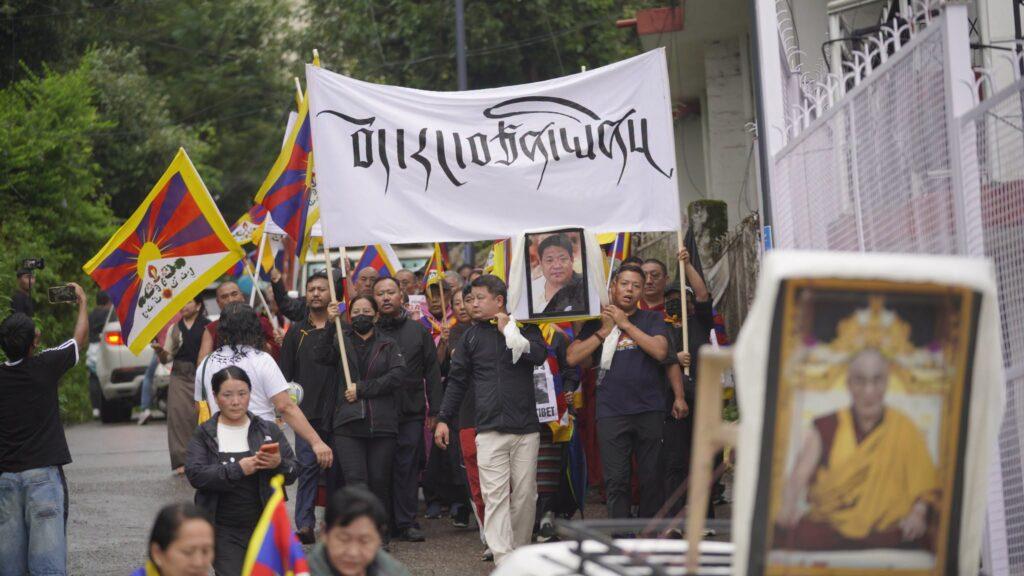
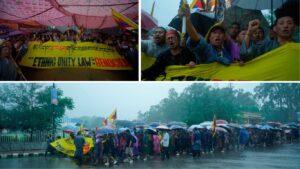
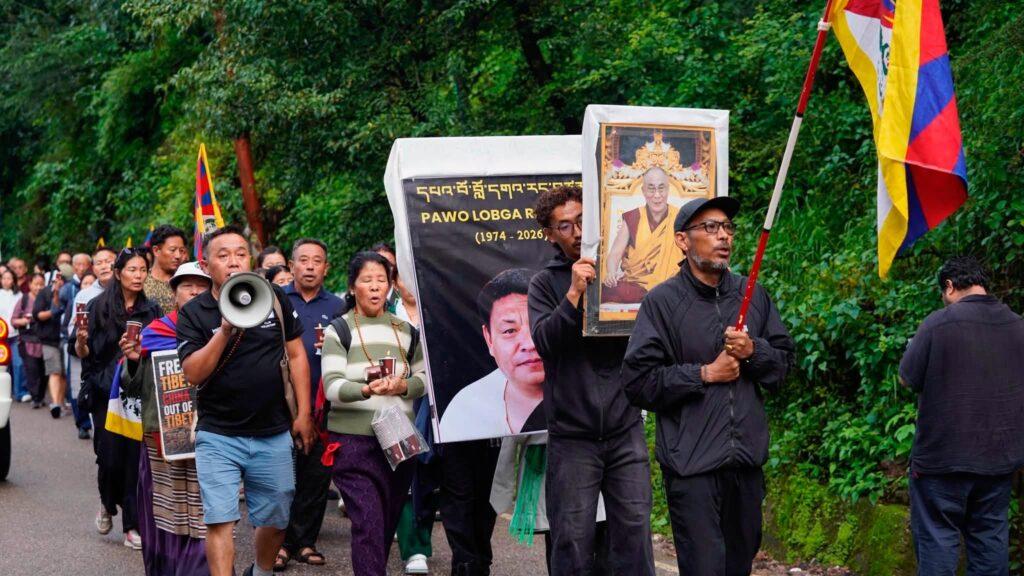
On July 2, 2026 — marking one month since pawo Lobga Rangzen self-immolated for the cause of Tibet’s freedom and independence — a candlelight vigil was held in his memory, together with a protest against the Chinese communist government newly implemented “Ethnic Unity Law” and an appeal action directed at the United Nations. Organized by non-governmental Tibetan organizations based in the exile  and by Tibet Support Groups in Dharamsala. Hundreds of Tibetans and supporters of the Tibetan cause held the candlelight procession from McLeod Ganj market to Bhagsu.


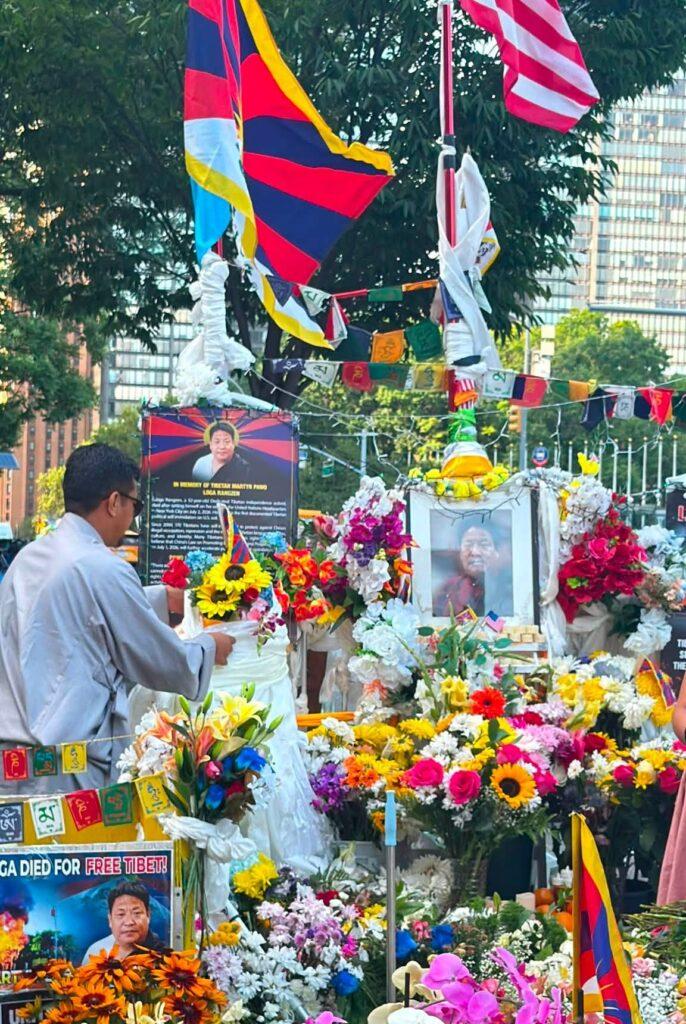
Tribute to Pawo Lobga Rangzen at the United Nations Headquarters, New York

On 31 July 2026 at 5:30 PM, Tibetan Youth Congress President Mr. Tsering Chomphel, former TYC President Mr. Tsewang Rigzin la, and former TYC Centrex member Mr. Norsang la visited the site in front of the United Nations Headquarters in New York, where Pawo Lobga Rangzen made the ultimate sacrifice through self-immolation for the just cause of Tibet.

The visit was a solemn act of remembrance and tribute, intended to honor Pawo Lobga Rangzen at the very place where he gave his life and to reflect on the message behind his final act. His sacrifice was a powerful appeal to the international community, particularly the United Nations, to recognize the continued suffering of the Tibetan people and the urgent need for meaningful international attention to the situation in Tibet.

Standing at the site of his sacrifice, TYC leaders expressed profound respect for his courage and solidarity with his family and the Tibetan people. The visit also reaffirmed the Tibetan Youth Congress’s determination to ensure that his sacrifice and the aspirations he sought to convey are not forgotten or overlooked.

Pawo Lobga Rangzen’s sacrifice remains a deeply painful reminder of the consequences of the continued repression of the Tibetan people. At the same time, it strengthens the determination of Tibetans in exile to continue raising their voices peacefully for justice, freedom, human rights, and the restoration of Tibet’s independence.

The Tibetan Youth Congress calls upon the United Nations and the international community to listen to the aspirations of the Tibetan people and to take meaningful action on the situation in Tibet.

“NGO-LEN MEY!”: Tibetans in Dharamshala Reject China’s “Ethnic Unity” Law and Honours Pawo Lobga Rangzen

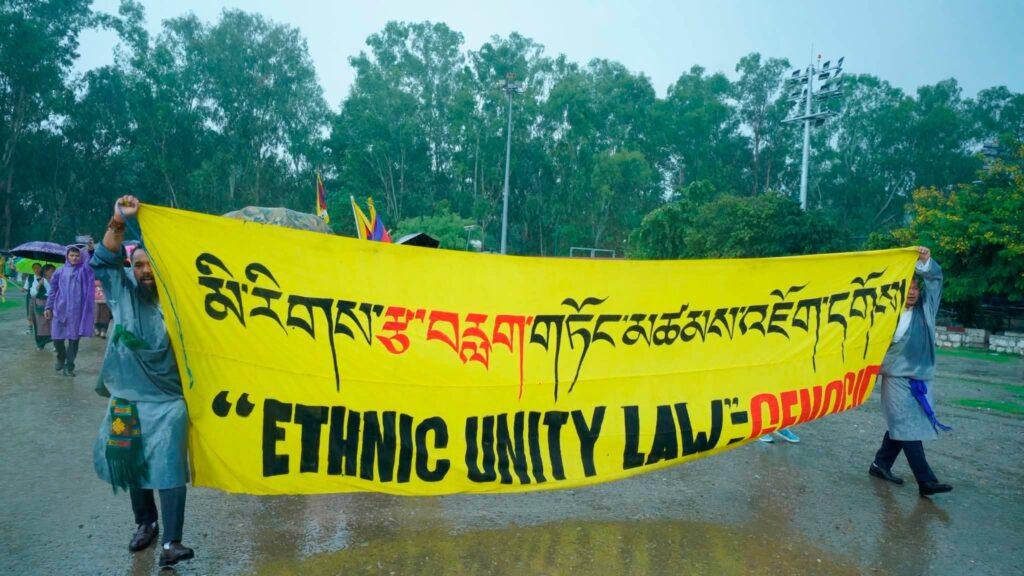
On Saturday, July 18, 2026, hundreds of Tibetans gathered in Dharamshala for a protest march against China’s newly implemented so-called “Ethnic Unity” Law and paying tribute to late Tibetan activist and  Pawo Lobga Rangzen la. The demonstration was jointly organised by Tibetan non-governmental organisations (NGOs) based in Dharamshala and Tibet Support Groups in solidarity with the Tibetan people’s continued struggle against China’s repression and Sinicization policies.

The march began at the parking area near the main temple of His Holiness the Dalai Lama and proceeded towards the Police Ground in Kachari. Hundreds of participants, dressed in black, marched with Tibetan national flags and posters honouring the sacrifice of Pawo Lobga Rangzen la and condemning China’s newly implemented legislation.


The streets of Dharamshala echoed with powerful chants of “Free Tibet!”, “Lobga Rangzen!”, “Lobga Died for Free Tibet!” and “China Out of Tibet!” Participants from across generations joined the march, with mothers and fathers carrying their children as they walked alongside fellow Tibetans, reflecting the collective and intergenerational nature of the Tibetan struggle.

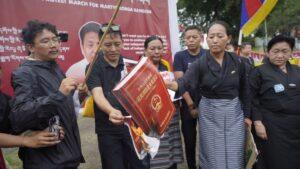
Upon reaching the Police Ground, protesters symbolically rejected China’s so-called Law on Promoting Ethnic Unity and Progress by setting fire to a printed copy of the law’s front cover. The act represented their unequivocal rejection of legislation they view as an attempt to further undermine Tibet’s distinct national identity, culture, language, and way of life.

As the cover burned, protesters raised the emphatic slogan “NGO-LEN MEY!”, expressing their refusal to recognise or accept the imposed law. The powerful closing demonstration reaffirmed the protestors’ opposition to China’s policies of political repression and forced assimilation in Tibet, while honouring Pawo Lobga Rangzen la’s ultimate sacrifice for the cause of a free Tibet.


The march concluded with a renewed call for unity among Tibetans and solidarity from the international community in opposing China’s continued repression in Tibet and supporting the Tibetan people’s pursuit of freedom and justice.

TYC ‘Storms’ Chinese Embassy in New Delhi, Condemns Ethnic Unity Law and Honours Lobga Rangzen


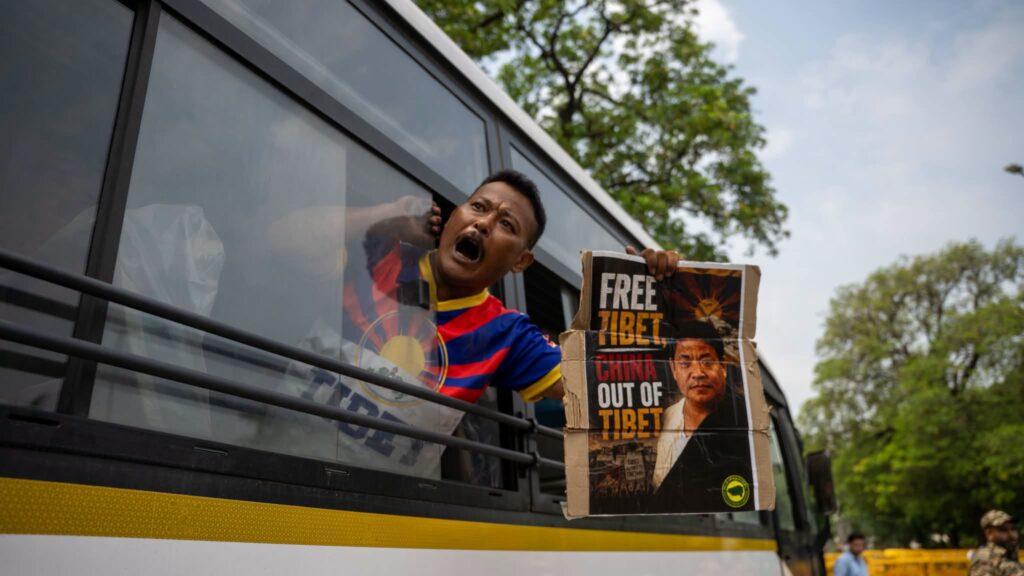
Around 60 members of the Tibetan Youth Congress (TYC) staged a major “Storm Protest” outside the Chinese Embassy in New Delhi on Tuesday, July 7, condemning China’s newly enacted so-called “Ethnic Unity Law.”

The demonstration denounced China’s illegal occupation of Tibet and its systematic policies aimed at eroding Tibet’s distinct national identity, language, culture, and religion. The protesters also gathered to honour the sacrifice of Tibetan pawo (matyr) Lobga Rangzen, who self-immolated in front of the United Nations Headquarters in a call for Tibet’s independence.

Speaking during the demonstration, TYC President Tsering Choephel said the protest was intended to expose China’s continued repression in Tibet, oppose the imposition of the so-called “Ethnic Unity Law,” and hold the Chinese government accountable for its policies against the Tibetan people. He further emphasized that the demonstration honoured Lobga Rangzen’s ultimate sacrifice and reaffirmed the TYC’s commitment to the cause of Tibetan independence.

As part of the protest, the TYC President delivered an open letter addressed to the Chinese Embassy, while a coordinated appeal letter was also distributed to 162 foreign embassies across New Delhi, urging the international community to take note of China’s escalating efforts to suppress Tibetan identity and rights.

Following the protest, several TYC activists were detained and taken to Mandir Marg Police Station in New Delhi.

The TYC reiterated its call for an end to China’s occupation and repression in Tibet and urged the international community to stand with the Tibetan people in their struggle for freedom, justice, and independence.

Free Tibet!
China Out of Tibet!

TYC 55th Working Committee Meeting

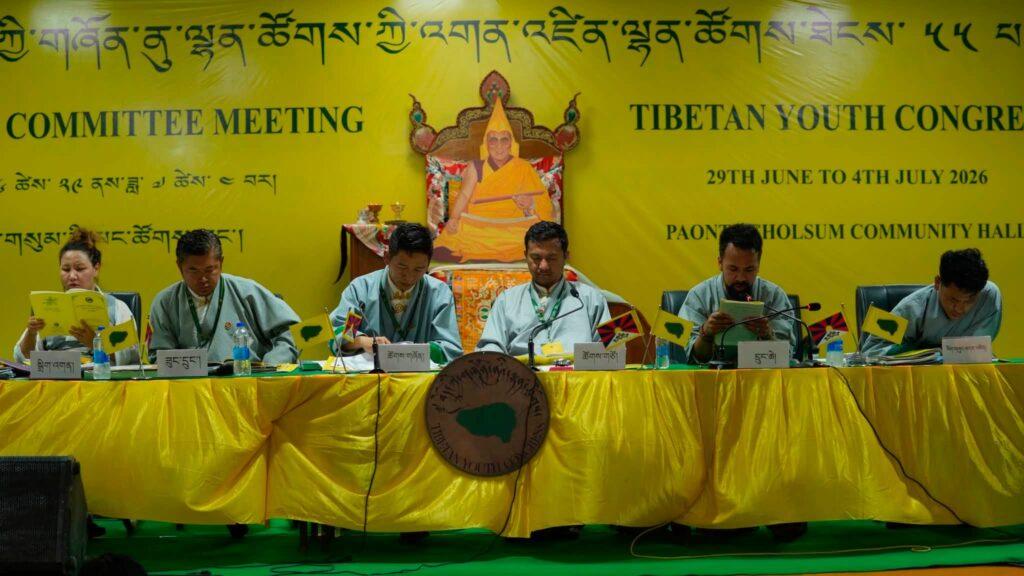
The 55th Annual Working Committee Meeting (WCM) of the Tibetan Youth Congress (TYC) was successfully held in Paonta Sahib from 29 June to 4 July, with the participation of representatives from more than 40 Regional Chapters totalling about more than 100 members.

The meeting commenced with an opening ceremony attended by distinguished guests. The Honourable Chief Guest was Home Minister of the Central Tibetan Administration (CTA), Kalon Palden Dhondup. The Guest of Honour was former Health Minister of the Central Tibetan Administration and former Tibetan Youth Congress Central Executive Committee member, Kalon Choekyong Wangchuk. The ceremony was also graced by MLA Shri Sukh Ram Chaudhary.

Following the opening ceremony and the addresses delivered by the dignitaries, the 55th Annual Working Committee Meeting was officially declared open, marking the beginning of several days of discussions, deliberations, and resolutions on matters concerning the organization and its future activities.

During the WCM, members reviewed the organisation’s annual activities, discussed key organisational affairs, adopted important resolutions, and formulated plans for future campaigns and initiatives.

The 55th Annual Working Committee Meeting concluded successfully, owing to the wholehearted support, hospitality, and selfless service of the Paonta Sahib Regional Tibetan Youth Congress (RTYC) and the Regional Tibetan Women’s Association (RTWA). Their dedication, tireless efforts, and spirit of community service played a vital role in ensuring the smooth and successful conduct of the meeting.


Pomegranate Protest: Abolish Ethnic Unity Law


On 1 July 2026, as the People’s Republic of China implemented its so-called “Ethnic Unity and Progress Law,” Tibetans around the world stood united in opposition to an unjust law aimed at undermining the distinct identity of the Tibetan people.

During its ongoing 55th Working Committee Meeting, the Tibetan Youth Congress (TYC) organized a protest in Dehradun under the banner “POMEGRANATE PROTEST: Abolish the Ethnic Unity Law.” The protest campaign condemned the implementation of the law,  as it is the gravest threats to Tibetan identity, language, culture, and religion in recent decades.

With the Central Executive Committee and representatives from more than 30 Regional Chapters gathered for the 55th Working Committee Meeting, members of the Tibetan Youth Congress came together in a united display of resistance against the law and reaffirmed their commitment to safeguarding the rights and identity of the Tibetan people.

The protest was further strengthened by the participation and solidarity of members from Bharat Seema Jagran Manch, Bharat Tibet Sahyog Manch (BTSM), and Bharat Tibet Mitra, who joined the demonstration in support of the Tibetan cause.


TIBETAN YOUTH CONGRESS STATEMENT: 
The Tibetan Youth Congress (TYC) strongly condemns the implementation of the so-called People’s Republic of China’s “Ethnic Unity and Progress Law,” which comes into force on the 105th founding anniversary of the Chinese Communist Party. This legislation represents one of the most serious threats to the survival of Tibetan identity in recent decades.
Under Han-dominated leadership, Beijing continues to consolidate its unilateral control by institutionalizing policies aimed at assimilating Tibetans through political repression, cultural interference, economic domination, and coercive state measures. More than six decades after the occupation of Tibet, the Chinese Communist Party has intensified its campaign to Sinicize Tibet under the guise of promoting “ethnic unity.” By advancing a single Han-centric national identity.
The pomegranate metaphor seeks to portray all ethnic groups as inseparable parts of a single Chinese national identity. However, Tibet’s distinct civilization, language, religion, and historical experience cannot be reduced to a seed within another nation’s narrative. True coexistence must be based on respect for identity, not assimilation.
The concerns raised by the United Nations High Commissioner for Human Rights and various UN Special Rapporteurs clearly demonstrate that China’s assimilation policies violate internationally recognized human rights standards, including the rights to culture, language, religion, and self-determination.
Therefore, the Tibetan Youth Congress calls upon:
1. The Government of India and democratic nations worldwide to unequivocally condemn China’s forced assimilation policies in Tibet.
2. The United Nations Human Rights Council and its member states to take concrete multilateral action to address the deteriorating human rights situation in Tibet.
3. The People’s Republic of China to immediately abolish the colonial boarding school system and cease all policies aimed at erasing Tibetan identity, language, religion, and culture.
4. The international community, governments, and human rights organizations to closely monitor the implementation of this law and hold the Chinese government accountable for policies that threaten the survival of Tibetan identity and violate internationally recognized human rights norms.
The implementation of this law marks a dangerous turning point in China’s policies toward Tibet. If left unchallenged, it threatens the intergenerational transmission of Tibetan language, religion, and culture, and risks the irreversible destruction of the Tibetan nation’s unique identity and heritage.
The Tibetan Youth Congress unequivocally condemns and rejects this genocide law. As we declared during the Black Hat March Campaign in April, we once again raise our voice in opposition to this assimilationist legislation, which stands in direct contradiction to the principles enshrined in the United Nations Charter, international human rights standards, and fundamental freedoms. Such measures undermine cultural diversity, religious freedom, and the right of communities to preserve, protect, and develop their own identity, language, and way of life.
On this 1 July, Tibetans across the world stand united in defense of our identity, culture, and fundamental rights, as well as our collective aspiration for a Free and Independent Tibet. We call upon global leaders, democratic governments, human rights defenders, and people of conscience everywhere to stand in solidarity with Tibet and resist all attempts to erase the identity, dignity, and existence of the Tibetan people. The struggle for Tibet is not only a struggle for one nation—it is a struggle for justice, human dignity, cultural survival, and the universal right of all peoples to live freely and determine their own future.
“Injustice anywhere is a threat to justice everywhere. We are caught in an inescapable network of mutuality, tied in a single garment of destiny. Whatever affects one directly, affects all indirectly.” –   Martin Luther King Jr., Letter from the Birmingham Jail

Statement by the Tibetan Youth Congress on the Visit of Chinese Foreign Minister Wang Yi to India for the 18th BRICS Summit

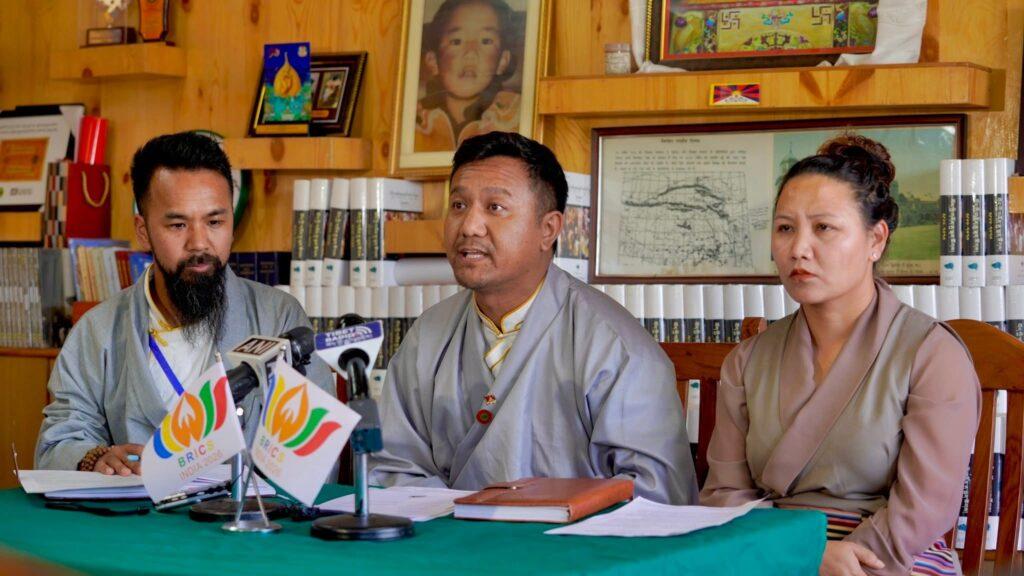
As Chinese Foreign Minister Wang Yi visits India in connection with the 18th BRICS Summit and discussions on Sino-Indian border issues, the Tibetan Youth Congress reiterates that the People’s Republic of China cannot credibly claim global leadership while continuing its occupation of Tibet and repression of the Tibetan people.

As India hosts the summit under the theme, “Building for Resilience, Innovation, Cooperation and Sustainability,” we urge leaders to recognize that genuine regional stability and cooperation cannot be achieved without addressing the unresolved issue of Tibet.

The question of Tibet remains one of decolonization, international peace, and justice. The ongoing Sino-Indian border dispute is a direct consequence of China’s occupation of Tibet, and no lasting solution can be achieved without addressing its root cause.

The Tibetan Youth Congress calls upon the Government of India, democratic nations, and the international community to support the Tibetan people’s inalienable right to self-determination and their aspiration for a Free and Independent Tibet. We further urge world leaders to ensure that human rights, freedom, and justice remain central to all engagement with China.

A Free Tibet is essential not only for the survival of the Tibetan nation and its unique cultural heritage, but also for lasting peace, stability, and security across Asia.

statement (Eng)  statement (Tib)

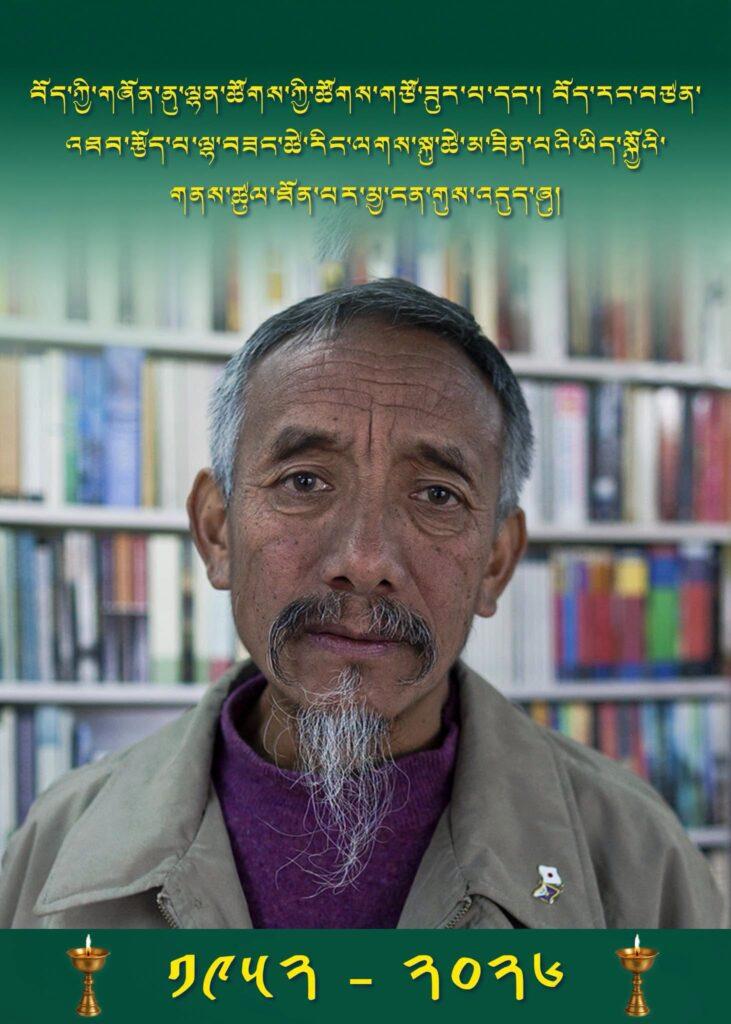
Passing of Tibet’s Hero and Former Tibetan Youth Congress President Lhasang Tsering la


On June 11, 2026, at 2:22 PM, the Tibetan Youth Congress received the deeply heartbreaking news of the passing of our former President and revered Tibetan independence activist, Gen Lhasang Tsering la, at Jampa Ling Senior Care Home in Dharamshala. We are profoundly grieved by this immense loss and mourn the passing of a courageous leader, a devoted patriot, and an unwavering champion of Tibet’s freedom struggle.

Gen Lhasang Tsering la dedicated his entire life to the cause of a Free and Independent Tibet. During some of the most critical and challenging periods in our nation’s history, he stood firmly at the forefront of the Tibetan freedom movement, fearlessly confronting the Chinese Communist regime and tirelessly advocating for the rights and aspirations of the Tibetan people. Through his leadership, writings, activism, and unwavering commitment to the Tibetan cause, he inspired generations of Tibetans to continue the struggle with courage and conviction.

His contributions to the Tibetan Youth Congress, the Tibetan freedom movement, and the Tibetan exile community are immeasurable. His steadfast dedication, principled leadership, and uncompromising commitment to the cause of Tibetan independence have left an indelible mark on our movement and our nation.

Today, we mourn not only the loss of a former President, but also the loss of one of Tibet’s most devoted sons. As we remember his extraordinary life and legacy, we offer our deepest prayers and respects. May his noble aspirations continue to guide us, and may he swiftly take rebirth to once again serve Tibet’s religion, nation, and people.

The Tibetan Youth Congress bows its head in grief and gratitude before the memory of Gen Lhasang Tsering la. His legacy will forever remain a source of inspiration in our continued struggle for a Free and Independent Tibet.


རང་བཙན་གྱི་གཅིག་པུར་རྒྱུག་པའི་དཔའ་བོ།
༼ལྷ་བཟང་ཚེ་རིང་གི་རྗེས་དྲན་དུ།༽
གཞོན་ནུའི་སྙིང་སྟོབས་བཙན་པོའི་རང་བཞིན་ཅན། །
འཁྱོག་པོའི་ཞི་བདེའི་ལམ་ལ་མ་ཆགས་པར། །
གསང་བའི་དམག་སྒར་གཏུམ་པོའི་དཔུང་ནས་ཀྱང་། །
རྒྱལ་ཁབ་རང་བཙན་བགྲོད་ལམ་ཉིད་དུ་བསྙེགས། །
འཛམ་གླིང་སྤྱན་གྱིས་གཟིགས་པའི་རིག་པ་རྣོ། །
སྤྱང་གྲུང་འཛོམས་པའི་རྒྱལ་གཅེས་དཔའ་བོ་མཆོག །
སློབ་གྲྭའི་ར་བ་ཉིད་ནས་ས་བོན་བསྐྲུན། །
བཙན་བྱོལ་ཟུག་རྔུའི་ཁྲོད་དུ་རེ་བ་སྦྱིན། །
སྣར་ཐང་པར་ཁང་ལྕགས་པར་འོད་སྣང་ལས། །
བཙན་གནོན་འོག་གི་བདེན་པའི་སྐད་སྒྲ་དཔར། །
གཞོན་ནུ་ལྷན་ཚོགས་དབུ་ཁྲིད་མགོན་གྱུར་ནས། །
བོད་ཀྱི་སྤོབས་པའི་དར་ཆ་མཐོན་པོར་བསྒྲེངས། །
ཞིབ་འཇུག་ལས་ལ་ཕོགས་ཐོབ་མ་གཉེར་བར། །
བྱང་ལམ་ཉི་མའི་གྲིབ་བསིལ་འོག་ཏུ་བཞུགས། །
དཔའ་བོའི་སྨྱུག་རྩེ་སྐྱོན་བརྗོད་ལྕེ་ལས་ནི། །
གཙང་མའི་རང་བཙན་གླུ་དབྱངས་སྙན་པོར་བླངས། །
ཉེན་ཁ་ཆེ་བའི་འགག་འཕྲང་མི་ཚེའི་ནང་། །
གཞན་དག་ཤེལ་བཞིན་ཆག་ཀྱང་འགྱུར་མེད་ལངས། །
གོང་མའི་ཕྱག་གི་བཀུར་བཟོས་མཐོན་པོ་ཡིས། །
གཅེས་པའི་ཕ་ཡུལ་དོན་དུ་ཞབས་ཞུས་བསྒྲུབས། །
དོན་སྙིང་ལྡན་པའི་བུ་མཆོག་སྙིང་སྟོབས་ཅན། །
སྔོན་གྱི་དམ་བཅའ་ཉིད་ལ་དྲང་བདེན་མཛད། །
བསྔགས་བརྗོད་གུས་འདུད་མེ་ཏོག་གཏོར་བ་ནི། །
ཞུམ་པ་མེད་པའི་གཏན་གྱི་སྲུང་མ་ལའོ། །
by Thupten Ciren Jr.

TYC President Participates in Monthly Protest Campaign in New York

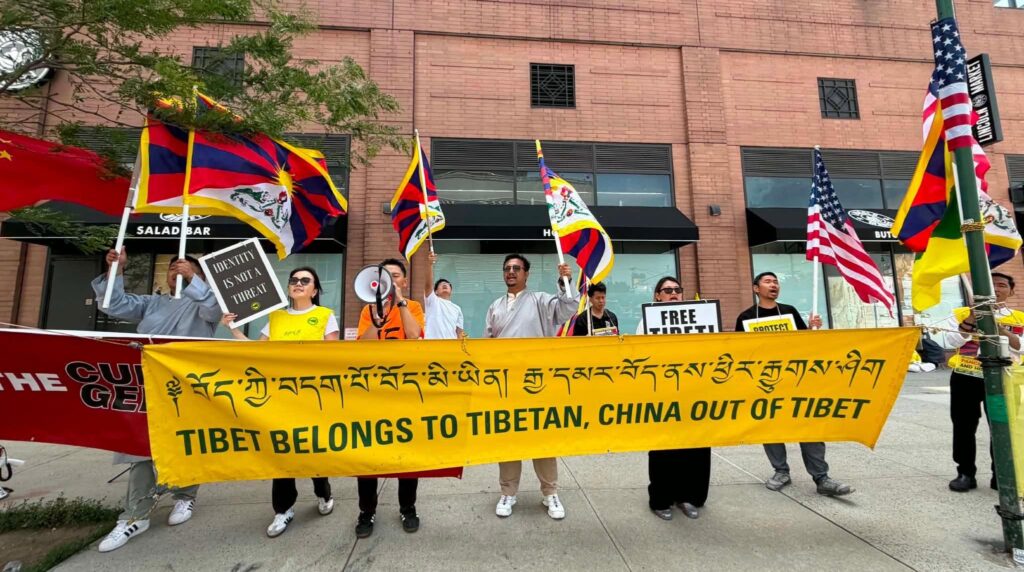
The President of the Tibetan Youth Congress participated in the monthly protest campaign organized by the Regional Tibetan Youth Congress New York & New Jersey near the Chinese Consulate in New York. The demonstration was held in remembrance of March 10, the anniversary of the 1959 Tibetan National Uprising.

Addressing the gathering, the TYC President spoke about the current situation inside Tibet and emphasized the importance of strengthening the Tibetan freedom movement. He urged Tibetans in the diaspora to play a more active role in supporting the Tibetan cause and to work collectively to raise international awareness about the ongoing challenges faced by the Tibetan people under Chinese occupation.

The President also called upon the so-called Chinese government to repeal the so-called “Ethnic Unity Law,” expressing serious concerns over its impact on Tibetan identity, language, culture, and religious freedom. He noted that such policies further undermine the fundamental rights of Tibetans and accelerate efforts to assimilate Tibetans into the dominant Chinese cultural framework.

The monthly campaign reaffirmed the unwavering commitment of Tibetan activists and supporters to advocating for the rights, freedom, and self-determination of the Tibetan people through peaceful and nonviolent means.

Meeting with East Turkistan Government-in-Exile in Washington, D.C.

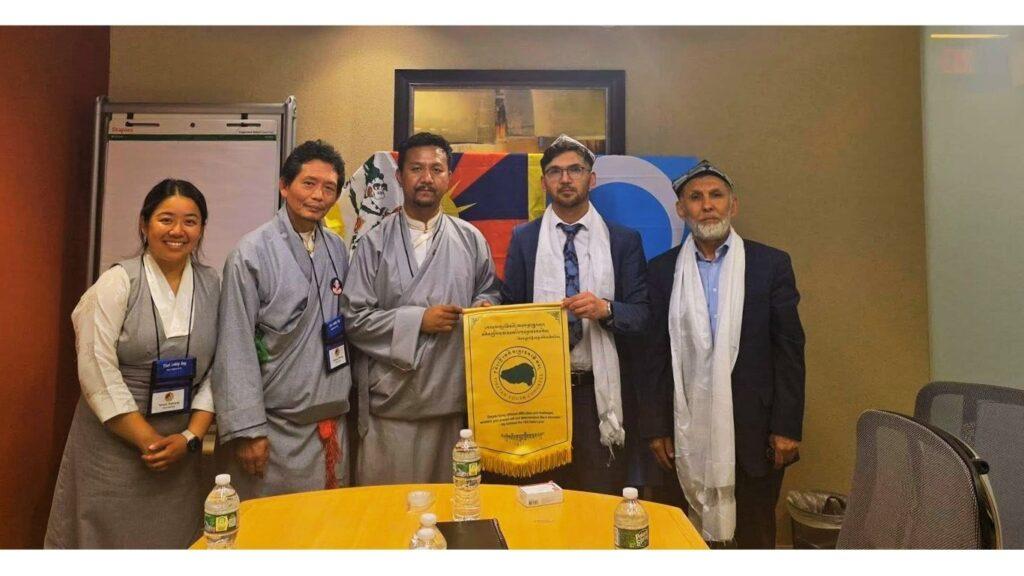
On June 9, 2026, at 5:30 PM, the President of the Tibetan Youth Congress, together with the Presidents of the Regional Tibetan Youth Congress chapters of New York–New Jersey and Minnesota, as well as former TYC member Yeshi Tenzin la, held a meeting with Mr. Salih Hudayar, Minister of Foreign Affairs and Security of the East Turkistan Government-in-Exile, at its office in Washington, D.C.

During the meeting, both sides engaged in discussions on strengthening relations and enhancing cooperation between the Tibetan Youth Congress and the East Turkistan movement. The discussions focused on expanding collaboration, fostering mutual support, raising international awareness of the challenges faced by the Tibetan and Uyghur peoples, and coordinating advocacy efforts concerning human rights, freedom, and the right to self-determination.

The meeting reaffirmed the shared commitment of both parties to maintaining continued dialogue and cooperation in pursuit of their respective aspirations for a free and independent Tibet and East Turkistan.

Back To Top