The 14th Dalai Lama holds a position of great reverence as the spiritual leader for the people of Tibet and followers of Tibetan Buddhism worldwide. The institution of the Dalai Lama has a long history that has evolved over centuries, with each successive Dalai Lama contributing to Tibet’s transition into the modern era. His Holiness the 14th Dalai Lama himself has played a pivotal role in this process, becoming a global figure renowned for his wisdom and grace, particularly in leading the Tibetan people through the political challenges of the twentieth century.
The Dalai Lama’s influence extends beyond Tibet and Tibetan Buddhism, as he has become an emblematic figure of human wisdom and grace on the world stage. Through his teachings, speeches, and actions, he has emerged as a global symbol of moral leadership, inspiring millions with his message of peace and compassion. The Dalai Lama’s spiritual leadership transcends national boundaries and serves as a guiding force for individuals of various faiths around the world.
Moreover, the 14th Dalai Lama represents not only the Tibetan people and their aspirations for nationhood but also serves as a champion of peace and compassion on a global scale. His advocacy for non-violence, human rights, and environmental sustainability has earned him recognition and respect far beyond the Tibetan community. The Dalai Lama’s influence reaches individuals from diverse backgrounds who look to him as a source of inspiration and guidance in promoting values of peace, compassion, and understanding.
The 5th Dalai Lama, emerged as the legitimate ruler of a united Tibet in 1642, holding authority over both spiritual and temporal domains. This dual role of political and religious leadership continued until the 14th Dalai Lama made the decision in 2011 to devolve his political authorities to a democratically elected Tibetan leader. The Tibetan Charter recognizes His Holiness the Dalai Lama as the protector and symbol of the Tibetan nation, reflecting the historical and cultural significance that spans many centuries and the sovereign will of the Tibetan people.
Despite the political role His Holiness the Dalai Lama held, His Holiness views himself primarily as a humble Buddhist monk committed to serving humanity. His Holiness’s mission is to alleviate suffering and promote happiness through the cultivation of love and compassion. His Holiness’s message of peace and his advocacy for fundamental human values, such as compassion and tolerance, transcend religious, political, and cultural boundaries.
In a statement made on September 24, 2011, His Holiness the 14th Dalai Lama expressed his intention to allow concerned individuals and institutions to determine the future of the Dalai Lama’s reincarnations. His Holiness emphasized that when he reaches approximately ninety years old, he will consult with high-ranking lamas of the Tibetan Buddhist traditions, the Tibetan public, and other followers of Tibetan Buddhism. Together, they will reassess whether the institution of the Dalai Lama should continue or undergo any changes. The decision will be made based on careful evaluation and consideration of various factors.
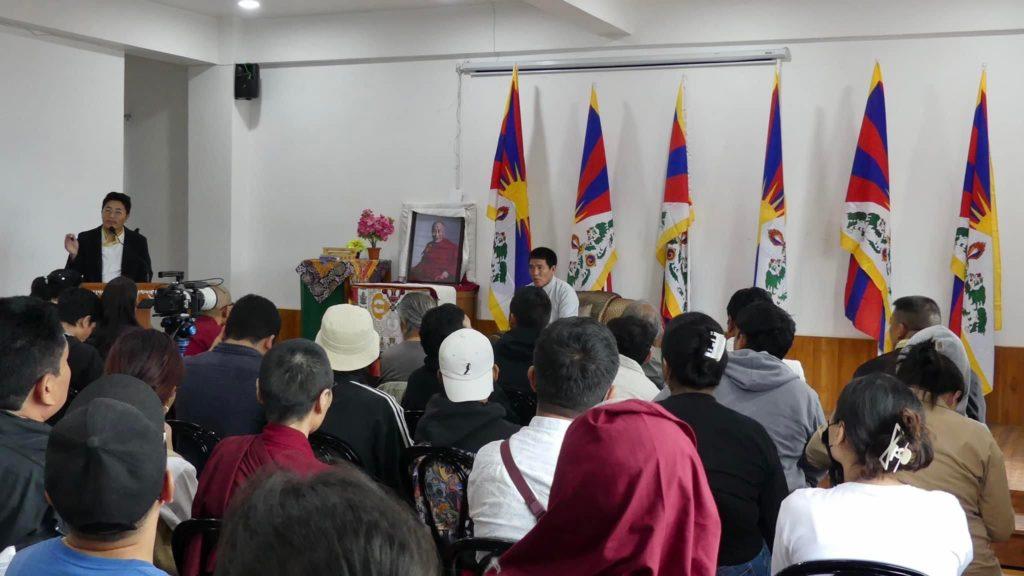
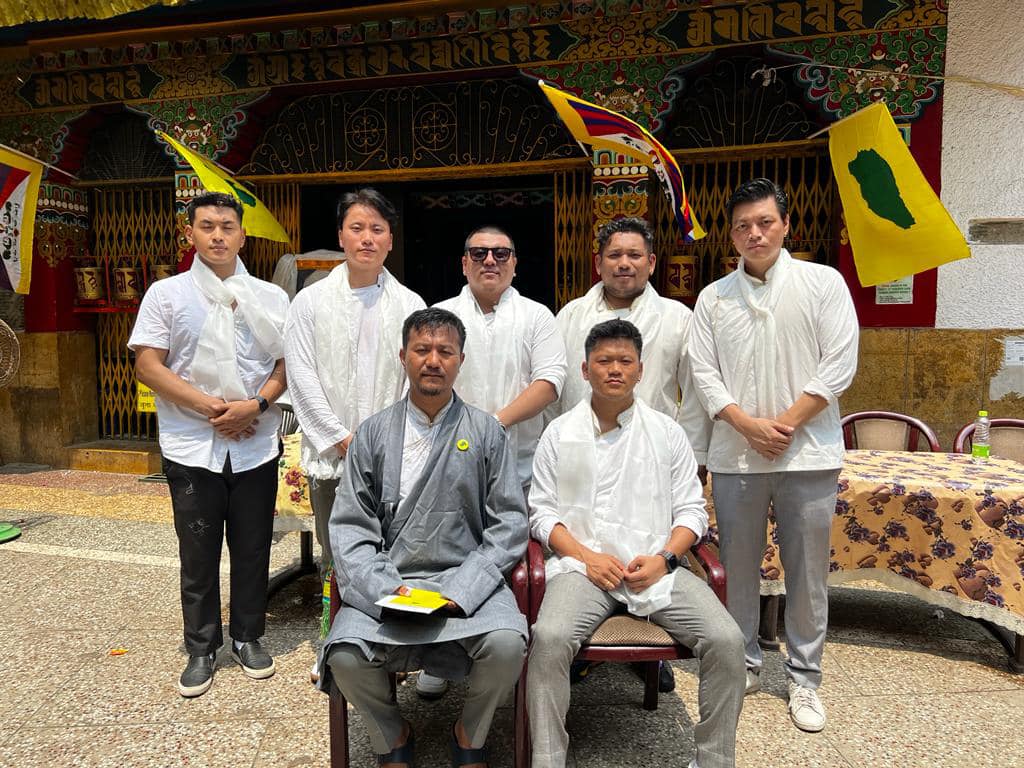
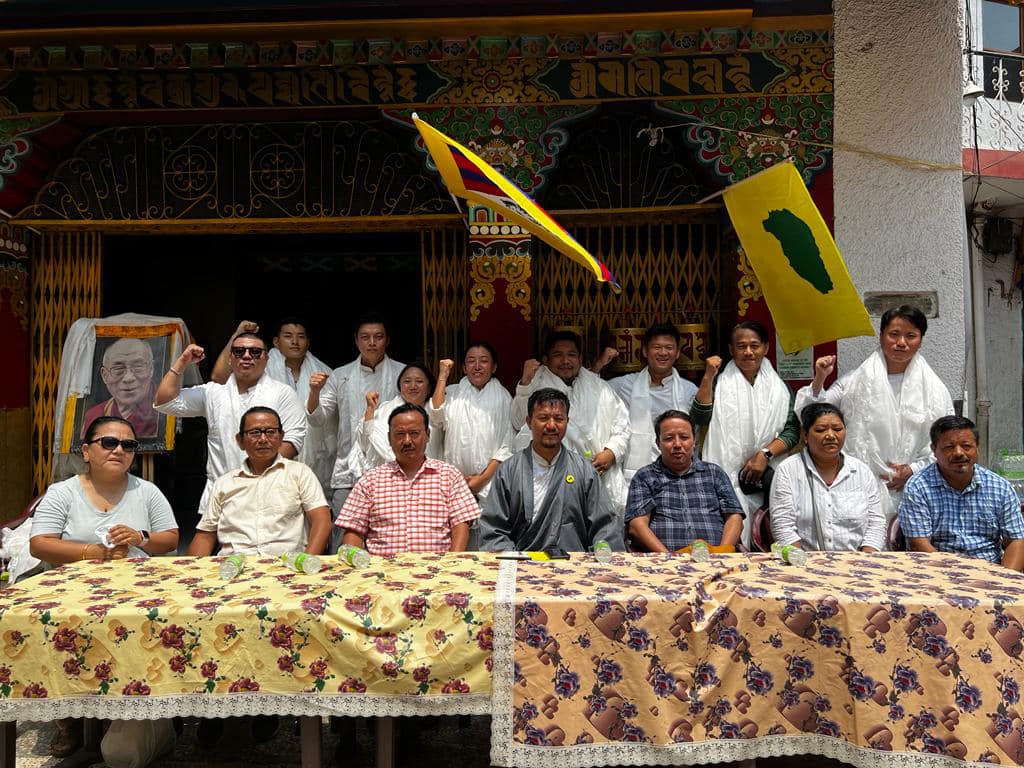
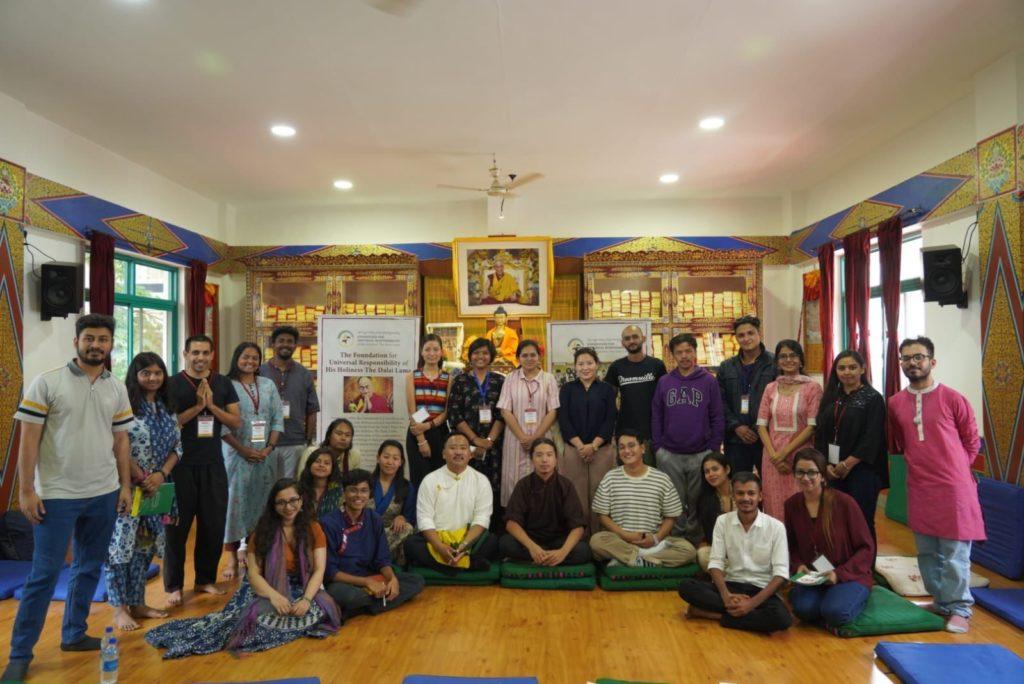
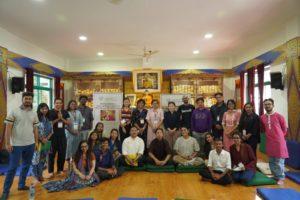
To discuss on the significance and relevance of the institution of the Dalai Lama, the future of the Dalai Lama institution and the continuation of the Dalai Lama’s reincarnation, Tibetan Youth Congress organized a ‘Conference on the Relevance and Significance of the Dalai Lama Institution.’ This conference, funded by the Tibet Fund, aimed to explore the historical evolution and influence of the Dalai Lama Institution in the Tibetan Buddhist world.
This conference hoped to generate much needed awareness and understanding on the importance and relevance of the Dalai Lamas and the institution in furthering the interest of Tibetan nation and people, including finding an amicable solution to the protracted issue of Tibet, promoting Tibetan cultural identity, and safeguarding Tibetan Buddhism. The organizer strongly believes that such understanding ensures continued reverence and support to the leadership of the Dalai Lama and further empower the institution of the Dalai Lama to play its important role during these critical times of Tibetan history.
The conference not only provided a platform for discussions but also included notable speakers including Dr. Thupten Jinpa, the principal translator of His Holiness the 14th Dalai Lama, and Prof. Lobsang Tenzin Negi, the executive director of the compassion centre at Emory University in Atlanta.
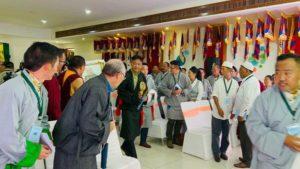
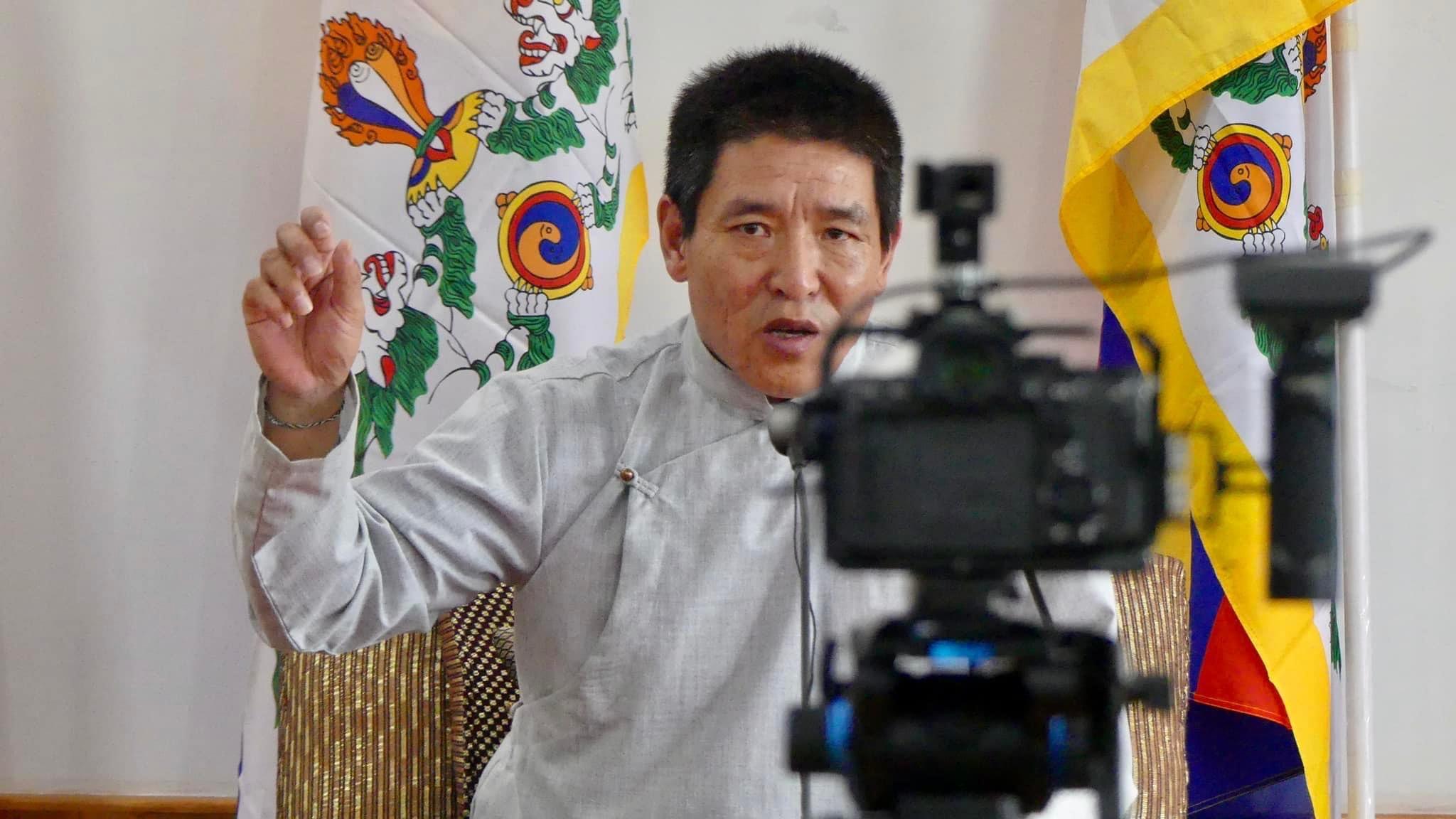
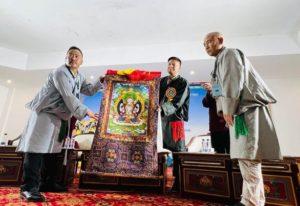
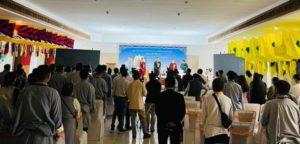
The inauguration ceremony of the conference was attended by Sikyong Penpa Tsering, the President of the Central Tibetan Administration. TYC President Gonpo Dhundup and the Tibet Fund Director, Kungo Lobsang Nyendak la, has also addressed the ceremony. The presence of these esteemed speakers and attendees from various backgrounds and institutions suggests a diverse range of perspectives and expertise were brought together during the conference.
The opening session commenced with keynote addresses by Geshe Thupten Yarphel and Prof. Jampa Samten, providing valuable insights into the historical evolution of the Dalai Lama Institution and its profound influence on Tibetan Buddhism.
Ven Thupten Yarphel, the Principal of Namgyal School, delivered a presentation that shed light on the historical development of the Dalai Lama Institution. His talk delved into the origins, milestones, and evolution of the institution over the centuries. Through his comprehensive analysis, he highlighted the impact of the Dalai Lama Institution on Tibetan religious and cultural traditions.
Prof. Jampa Samten, a renowned Tibetan Historian from the Central Institute of Higher Tibetan Studies, Varanasi, shared his research on the influence of the Dalai Lama Institution in the Tibetan Buddhist world. He explored the historical significance of the institution in promoting religious harmony, preserving Tibetan culture, and its role as a unifying force within the Tibetan community.
The conference has four major themes:
- Historical Evolution of the Dalai Lama Institution and its Influence in the Tibetan Buddhist World
- Geo-political Significance of the Dalai Lama Institution
- Role of the Dalai Lamas in the Tibetan Freedom Struggle
- The future of the Dalai Lama Institution